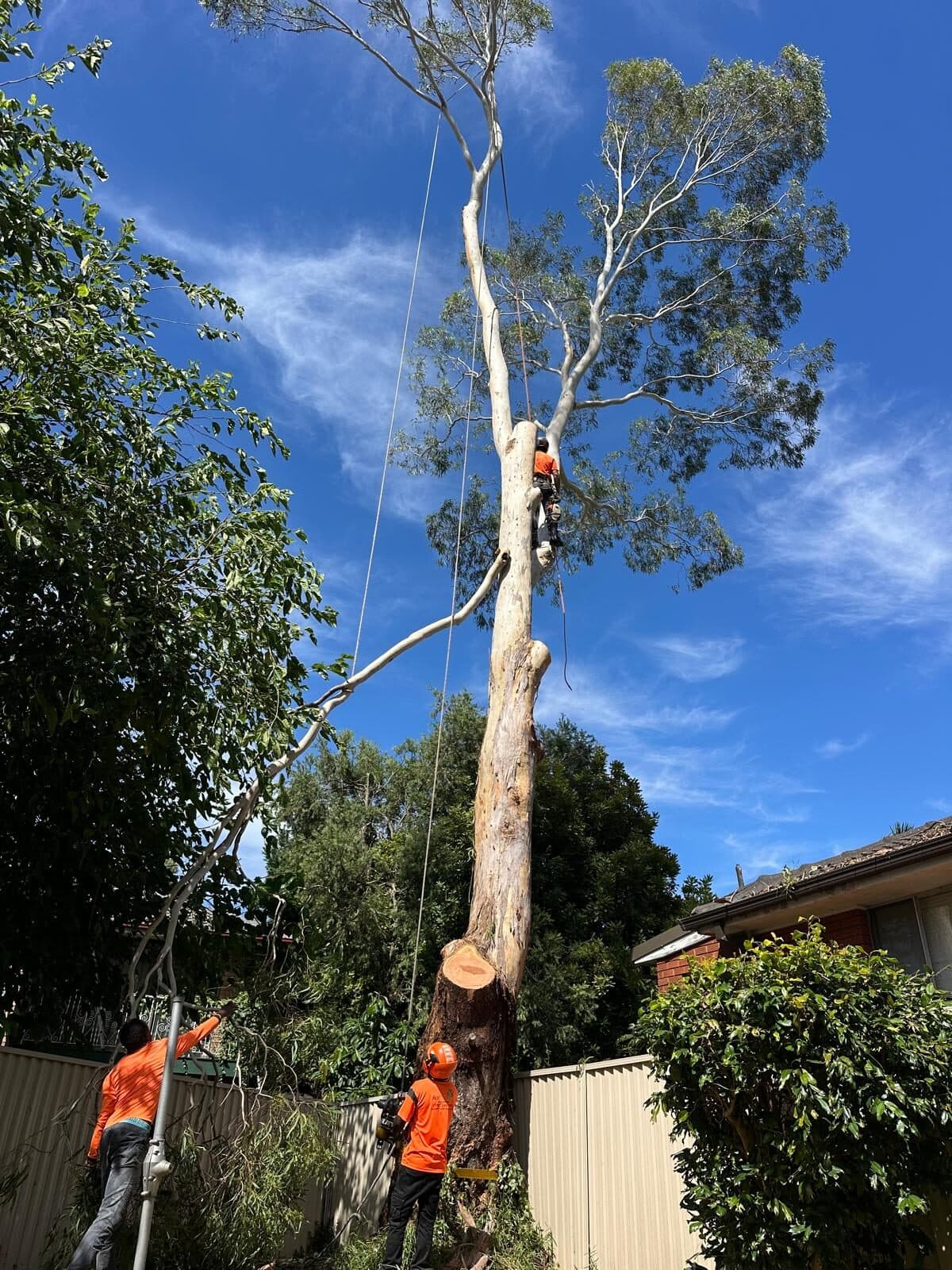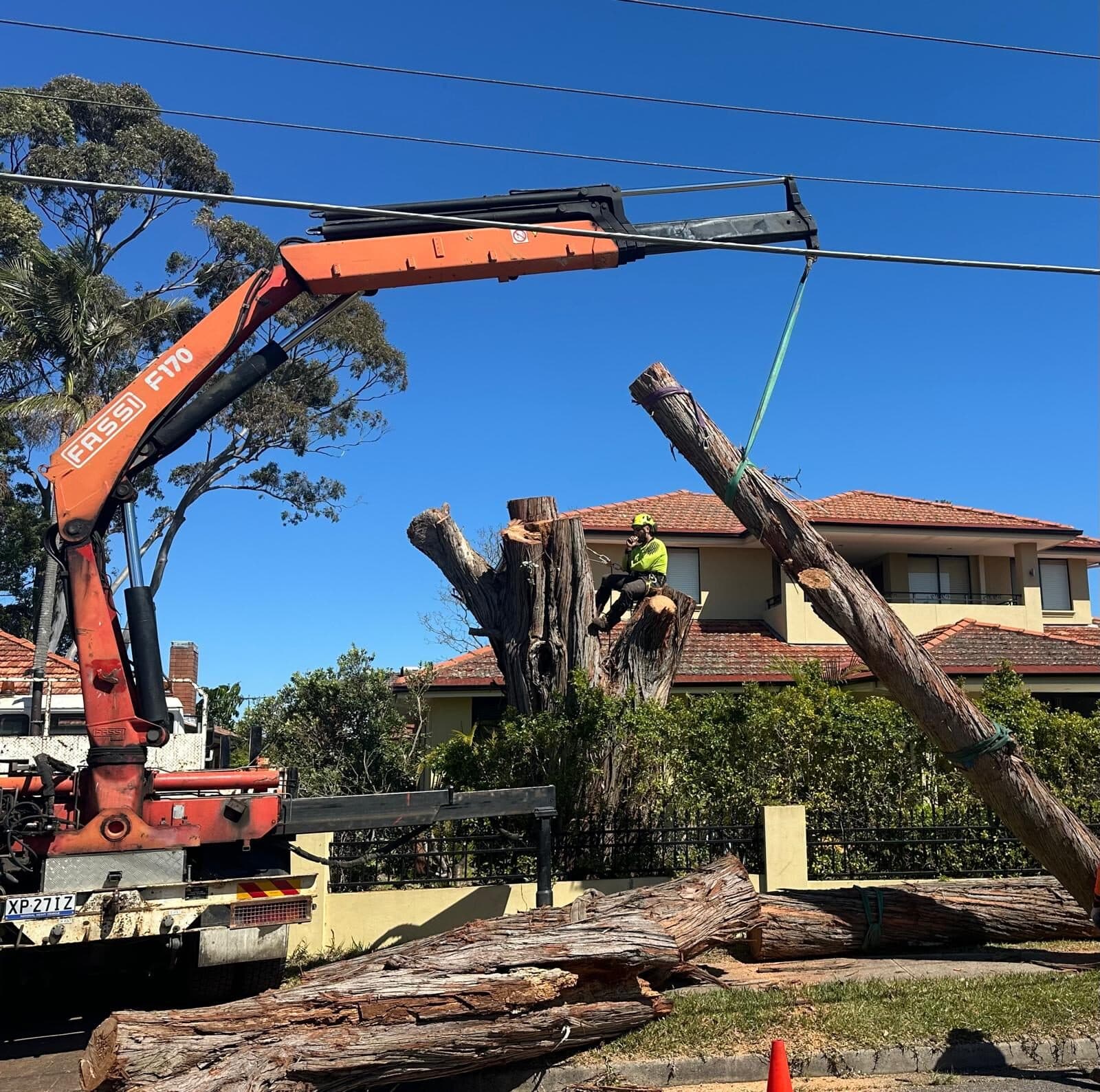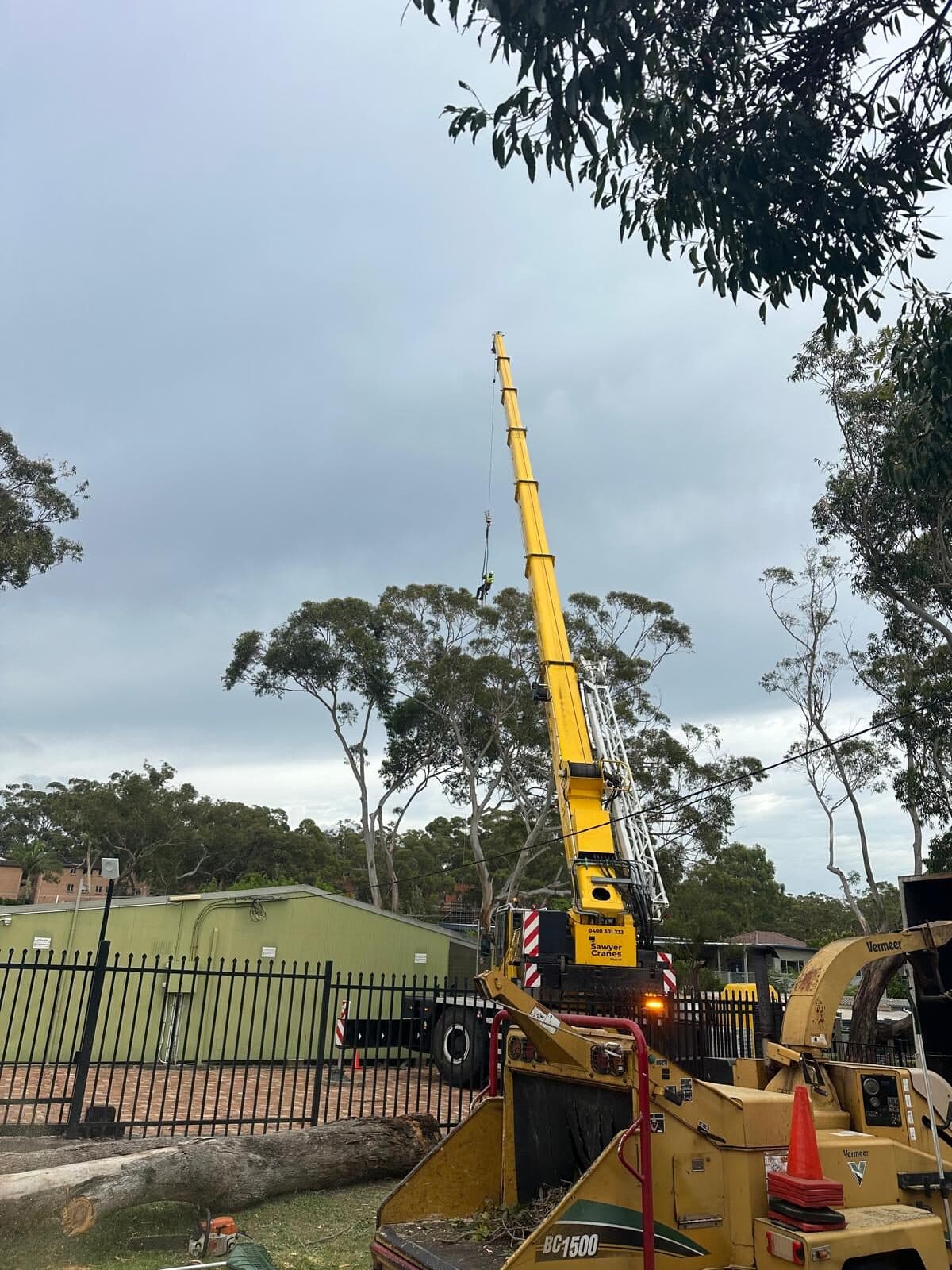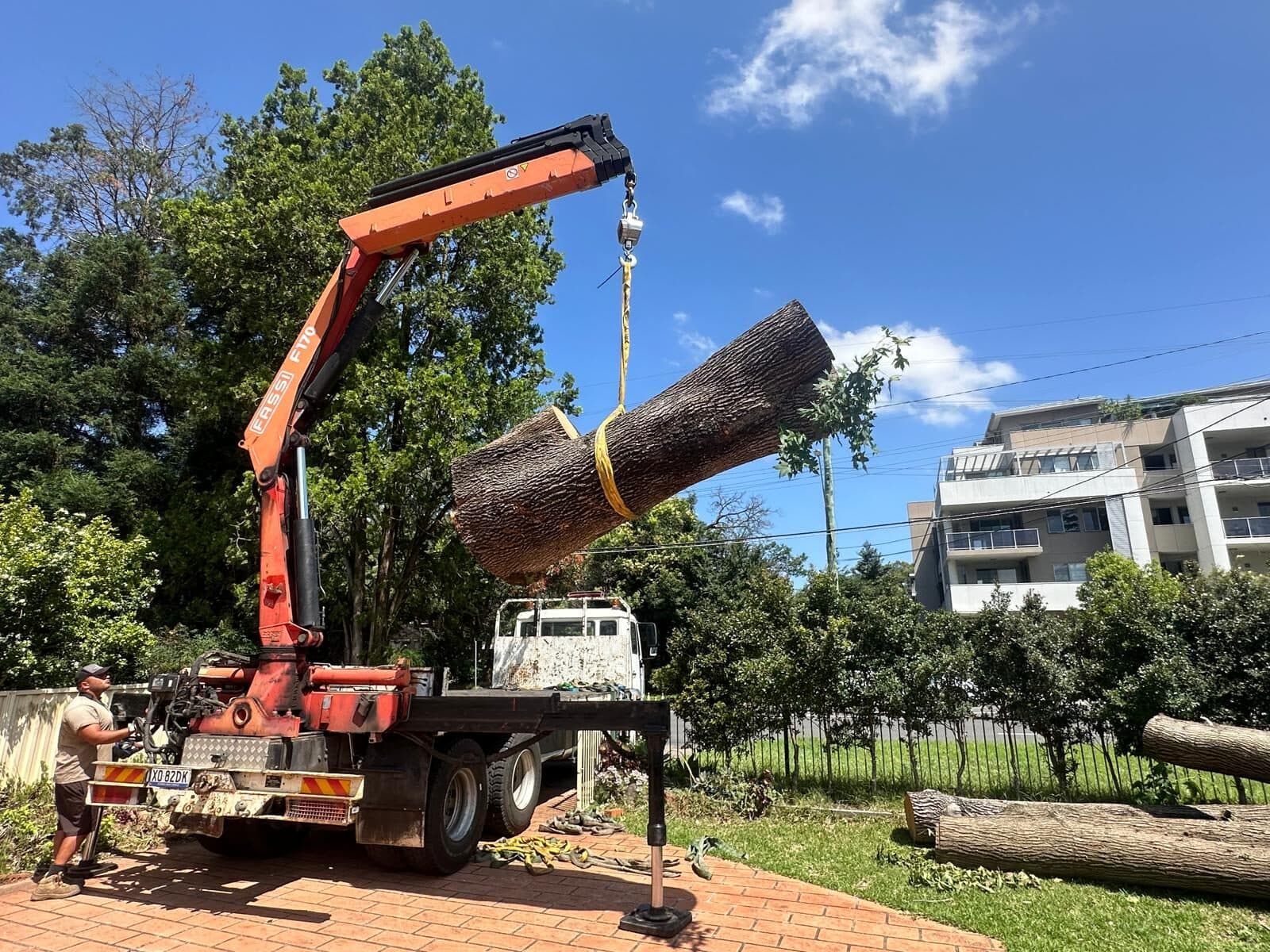
Quick answer: often, yes. Most Sydney councils require approval before you remove, or significantly prune, an established tree on private land. There is no single Sydney-wide rule. Each council sets its own size thresholds, exempt species and exemptions in its development control plan. Common exemptions include listed weed species, light pruning within set limits, and some trees close to a house. Dead and dangerous trees usually still need the council to be satisfied before removal. Heritage properties normally need a development application. Start by confirming the council for the street address, then check that council's rules.
How tree approval works in NSW
Across most of Sydney, private-tree rules come from Chapter 2 of the State Environmental Planning Policy (Biodiversity and Conservation) 2021 (opens in new tab). It works like this:
- The council decides which trees are protected. Each council's development control plan declares the vegetation that needs a permit, usually by height, trunk size, canopy spread, species or location. That is why thresholds differ between councils.
- Protected trees need a council permit before they are cleared. The policy's definition of clearing includes cutting down, poisoning, ringbarking, and lopping or removing a substantial part of a tree.
- Heritage is stricter. A council permit cannot allow work on a tree that is a heritage item or in a heritage conservation area, or that is part of an Aboriginal object or place. The exception is minor or maintenance work that won't affect heritage significance. Other work on these trees generally needs development consent.
- Large native clearing goes to the state. Clearing native vegetation above the biodiversity offsets scheme threshold needs approval from the Native Vegetation Panel. A council permit cannot authorise it.
- Dead, dying and dangerous trees. A permit is not needed to remove a tree that the council is satisfied is a risk to life or property, or is dead or dying and not needed as habitat. The council must be satisfied first, which is why most councils ask for photographs, an inspection or an arborist's evidence.
- Timeframes and appeals. A council is to decide a permit application within 28 days, not counting time spent waiting for information you've been asked to provide. Refusals can be appealed to the NSW Land and Environment Court within three months.
Find the authority for your address
Use the NSW Office of Local Government's council finder (opens in new tab) with the street address. A suburb name alone can be misleading where council boundaries divide an area. For example, Croydon properties need an address check rather than an assumption that the whole suburb follows Inner West Council's rules.
The NSW Planning Portal Spatial Viewer (opens in new tab) can help identify heritage and other planning layers. Ask the council to resolve an uncertain boundary or protection status.
How the main triggers compare
To show how much the rules vary, these are the headline triggers in six council areas we checked in October 2026. Each one has further conditions and exclusions, so read the full council guide before relying on a figure.
| Council | Tree size that needs approval | House-proximity exemption | Pruning allowed without approval |
|---|---|---|---|
| Inner West | 4 metres tall, canopy spread 2 metres, or under 4 metres with a trunk over 150mm in diameter at 1.4 metres | Within 1 metre of the house wall | Canopy lifting to 2.5 metres; branches under 100mm, up to 10% of the canopy a year |
| Ku-ring-gai | 5 metres tall, or trunk diameter 150mm at ground level | Within 3 metres of the house | Branches and roots up to 50mm |
| The Hills Shire | Over 6 metres tall, spread over 3 metres, or trunk over 300mm at the base | Within 5 metres of an approved dwelling or ancillary structure | Up to 10% of the canopy per growing season |
| Willoughby | Over 4 metres tall, trunk girth over 600mm at 1.4 metres, or crown spread over 3 metres | None listed | 10% of the crown over five years |
| Randwick | 5 metres tall, canopy 4 metres wide, or trunk circumference 400mm at 1 metre | None listed | Crown thinning up to 10% of live canopy in two years |
| Northern Beaches | Approval needed unless exempt; trees under 5 metres are exempt | Within 2 metres of an approved building | Up to 10% of the canopy in 12 months |
None of these exemptions applies automatically on heritage properties, and most do not cover threatened species habitat or trees that must be kept under a development consent.
Council tree guidance and applications
Choose your council below and follow its current official instructions before pruning or removal. A guide is not approval for a particular tree.
Councils with a detailed AA guide
- Blacktown: rules and application pathway
- Hills Shire: tree and vegetation requirements
- Hornsby: protected trees and vegetation
- Inner West: permits, pruning and heritage
- Ku-ring-gai: applications and dead-tree checks
- Northern Beaches: conditional exemptions and permits
- Parramatta: permission and property controls
- Randwick: adopted tree controls
- Ryde: tree applications and exemptions
- Sutherland Shire: pruning, removal and urgent-risk evidence
- Willoughby: protection and application requirements
More Sydney councils
Bayside Council
Private-tree pruning and removal application (opens in new tab), including the permit check and supporting documents.
Burwood Council
Tree controls and applications (opens in new tab), including heritage and conservation-area requirements.
City of Canada Bay
Private-tree guidance, fact sheets and application links (opens in new tab).
Canterbury-Bankstown Council
Tree Management Order (opens in new tab), including the conditions for exempt work.
Cumberland Council
Private-tree guidance and the Tree Works Application (opens in new tab). Confirm the current form and fees directly with Council before lodging.
Georges River Council
Tree management guidance and applications (opens in new tab).
Hunter's Hill Council
Trees on your property (opens in new tab), with separate permit, development-application and exemption pathways.
Lane Cove Council
Tree FAQs and permit guidance (opens in new tab), including dead-tree permit requirements.
Mosman Council
Tree management and applications (opens in new tab).
North Sydney Council
Tree works that need consent (opens in new tab), with the private-land application pathway.
Strathfield Council
Tree pruning and removal (opens in new tab), including permit and development-application information.
City of Sydney
Pruning and removal guidelines (opens in new tab). These apply to the City of Sydney council area, not the whole metropolitan region.
Waverley Council
Tree pruning and removal (opens in new tab), including private-tree permit requirements.
Woollahra Municipal Council
Private-tree permits and exemptions (opens in new tab).
Before relying on an exemption
Check every condition, not just height or species. A heritage listing, habitat hollow, development-retention condition, title covenant or protected vegetation can override an exemption. Measure the tree the way the council specifies, because councils measure trunks at different heights and some use diameter while others use circumference.
Pruning allowances differ too. A percentage quoted for another council is not a Sydney-wide rule, and an allowance is not permission to top a tree. Keep a record of what you prune if the allowance is measured over several years.
For bushfire clearing, use the RFS 10/50 entitlement tool (opens in new tab) on the day of work and keep the result. The scheme applies only in designated entitlement areas, and only with the landowner's approval. It allows clearing trees within 10 metres of a home, and shrubs (but not trees) within 50 metres. It does not allow soil disturbance or removing vegetation below the soil surface, so don't assume it covers stump grinding. The Service NSW tree-removal guidance (opens in new tab) also explains that rules vary by council and directs owners to seek local council advice before removing a tree.
Dead trees and immediate hazards
A dead or damaged tree is not automatically exempt. Under the state policy the council must be satisfied that the tree is dead or dying and not habitat, or that it is a risk to life or property. Councils handle this differently: some want an email with photographs, some inspect, and some require written evidence from a consulting arborist at a specified qualification level. A dead tree with hollows may still be protected as habitat.
Keep clear of hanging limbs, unstable trunks and electrical hazards. For life-threatening danger call 000. For emergency storm assistance contact the NSW SES on 132 500. Follow the storm-damage safety guidance, and don't delay emergency help to collect photographs.
Prepare a clear application
Councils mainly want to know why a tree needs to be removed rather than kept or managed differently. A strong application usually includes:
- the property owner's consent, or owners corporation authority on strata land
- a site plan marking each tree, nearby structures and boundaries
- photographs of the whole tree and the specific problem
- a plain description of the work: which branches, how much canopy, or full removal
- the reason, supported by evidence where possible, such as a plumber's or engineer's report for damage, or an arborist's report for health or risk.
Reasons such as leaf drop, shade, views, bird droppings or minor lifting of paths are generally not accepted on their own. A high risk of failure, poor health, or significant damage that can't reasonably be fixed while keeping the tree carries more weight. Once permission is granted, keep the permit and follow its conditions on pruning limits, replacement planting and display.
Arborist reports
Not every application needs a report. When a council asks for one, it usually specifies the minimum qualification, often a consulting arborist at a higher level than a tree worker. Some councils also require the report writer to be independent of the contractor doing the work. Check the council's report guidelines before engaging anyone.
Boundary, strata and neighbour trees
- Ownership: councils such as Ku-ring-gai treat a tree as belonging to the land where its trunk stands at ground level, and only that owner or their authorised agent can apply.
- Strata: owners corporation approval is separate from council approval, and you may need both.
- Neighbours: council permission does not give you access to a neighbour's land. Councils generally can't resolve disputes between neighbours about trees. Those can go to the NSW Land and Environment Court under the Trees (Disputes Between Neighbours) Act 2006.
- Development: trees affected by building work are usually dealt with in the development application, and trees required to be kept under an existing consent can't be removed with an ordinary permit.
When removal may not be the first answer
Many tree problems are about one part of the tree. Branches over a roof, a low limb over a driveway or deadwood above a play area can often be managed with selective tree pruning, sometimes within a council's pruning exemption. Defining the job properly before applying often makes the council decision clearer. Removal is the right answer when the tree is dead, unsafe or genuinely unsuited to the site.
How AA can help
AA Tree Services Sydney carries out tree removal, pruning, tall hedge trimming and stump grinding across Sydney, including the Inner West, North Shore, Northern Beaches, Hills District and Eastern Suburbs. We can look at the tree, explain the practical options and carry out the work once any approval is in place, within its conditions. We do not write consulting arborist reports, so where a council requires one, engage an independent consulting arborist. If you'd like us to look at a tree, get in touch.
Rules checked against NSW legislation and council information in October 2026. Confirm current requirements with the responsible authority before work.
Common questions
Originally published .

AA Tree Services Sydney
Tree services in Sydney
Our team includes an AQF Level 3-qualified arborist with more than 15 years of tree-work experience. We provide tree removal, pruning, lopping, tall hedge trimming and stump grinding for homes, strata and commercial properties across Sydney, and write these guides from that work.
About AA Tree Services