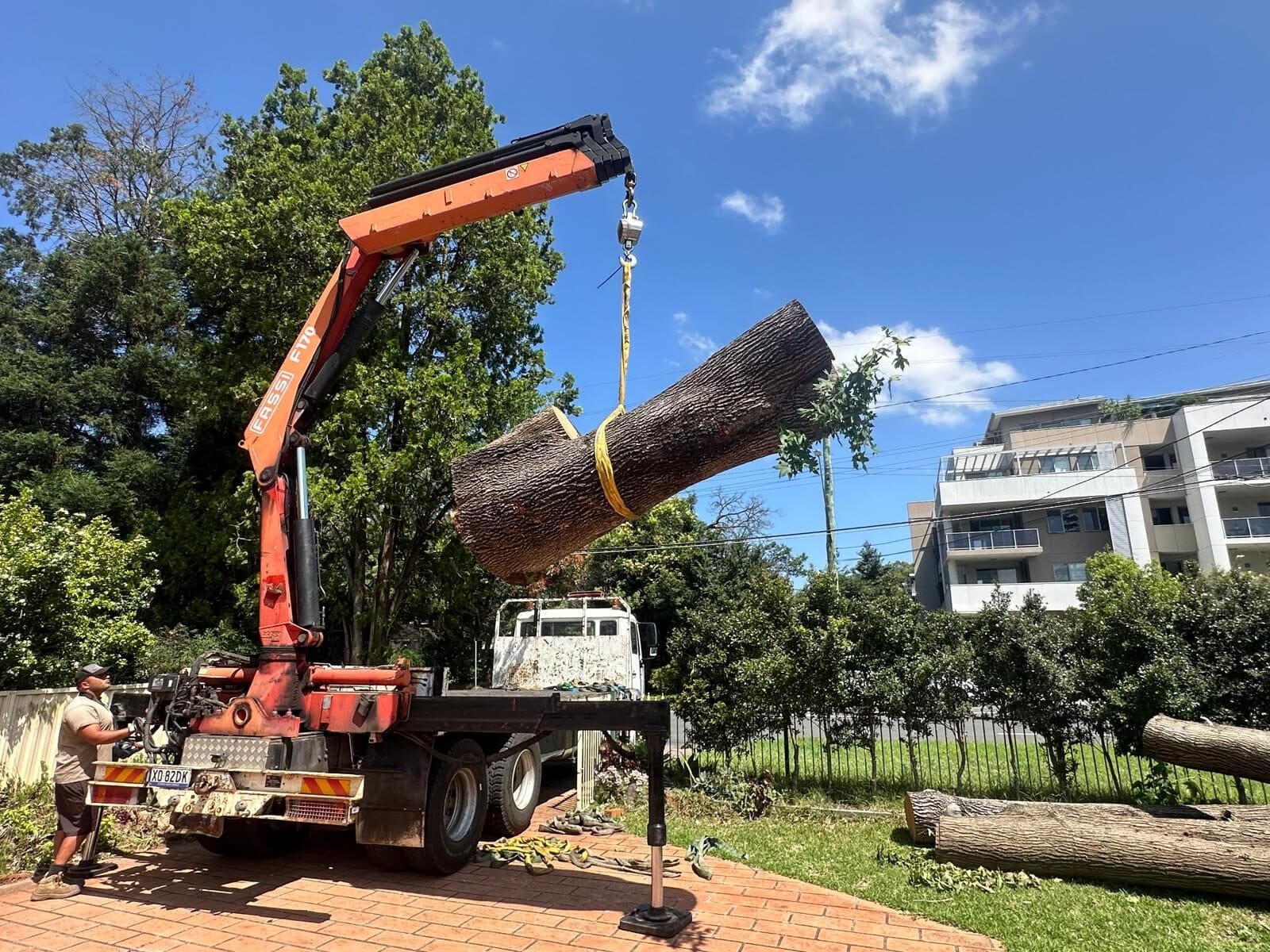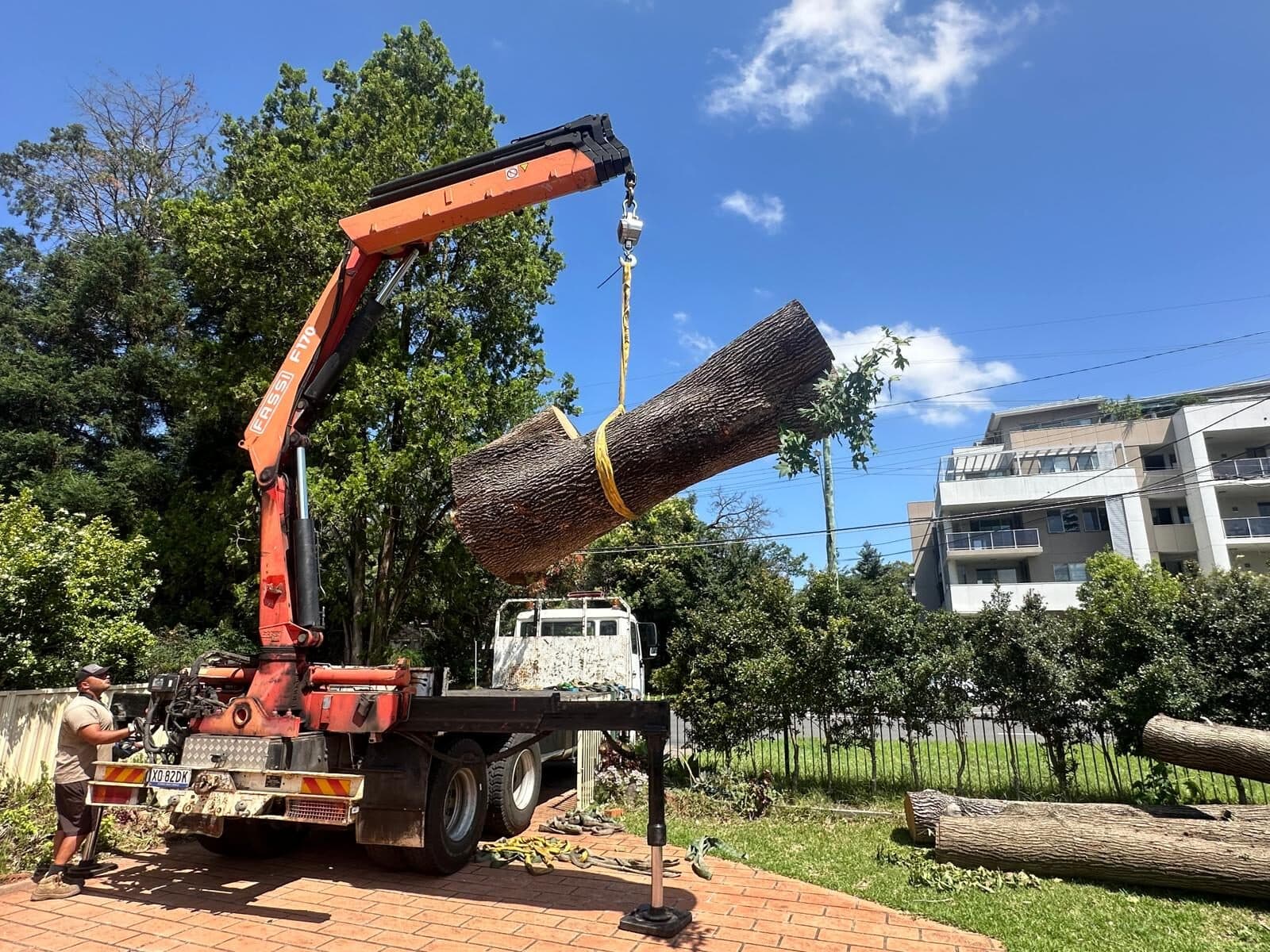
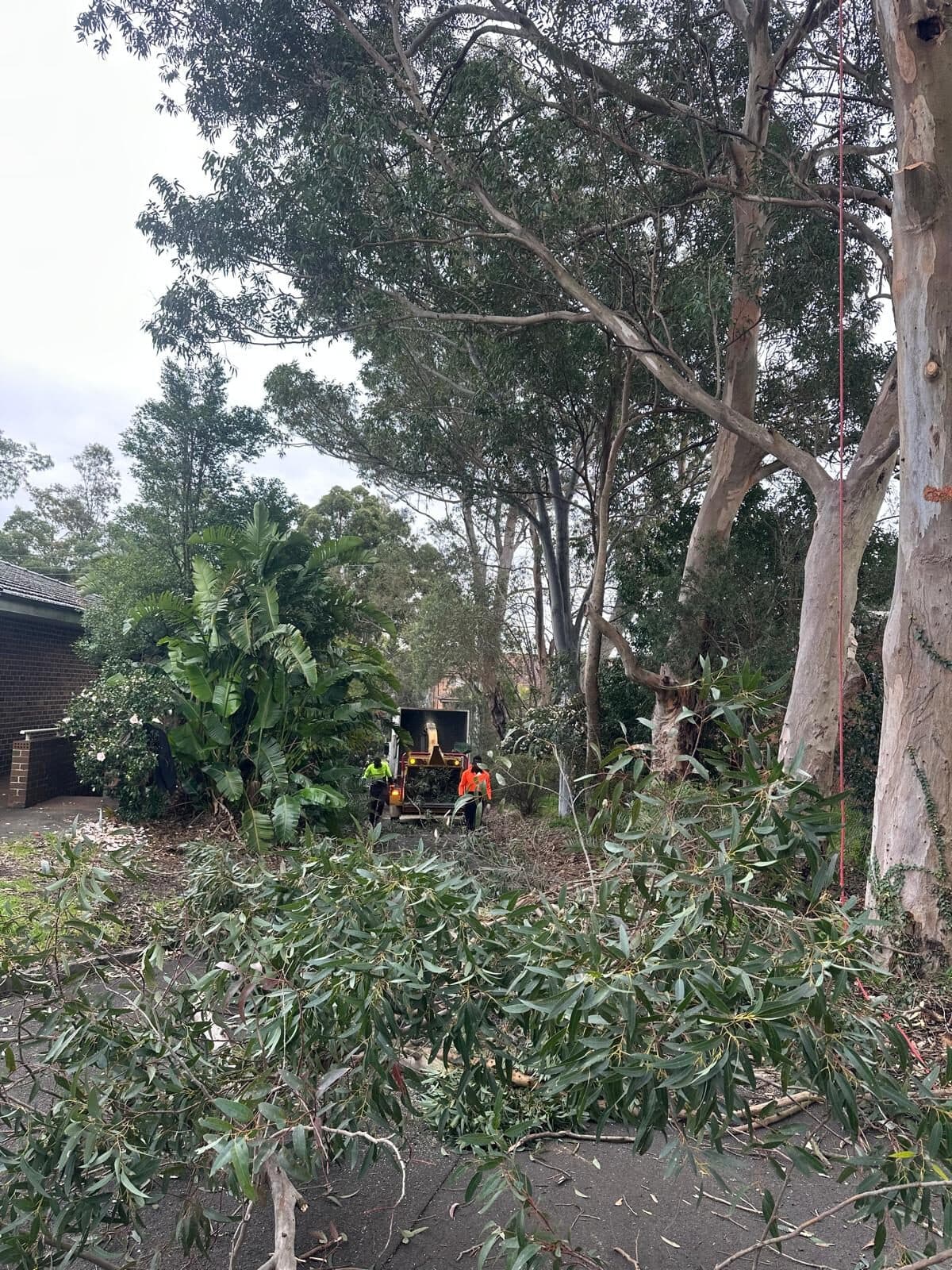
After a tree comes down, the stump stays behind. It sits flush with the ground or a few centimetres above it, and most property owners are left wondering whether they need to do anything about it.
The short answer is that stump grinding is not always essential, but it is usually worth doing. Whether you should grind it straight away, wait, or skip it entirely depends on what you plan to do with the space, how the stump affects the property, and what risks you are comfortable leaving in the ground.
In most cases, grinding the stump after removal is the practical choice. It eliminates trip hazards, removes a termite attractant, and clears the site for landscaping or replanting. Timing is flexible — same day is ideal, but a later visit works too.
Why stump grinding matters
A tree stump is not just an eyesore. Left in the ground, it creates a few practical problems that tend to get worse rather than better over time.
Trip and mowing hazards. A stump sitting at or just above ground level is easy to forget about until someone trips on it, catches it with a mower, or clips it with a wheelbarrow. In front yards and common areas, the liability risk is real.
Termite risk. Decaying timber below ground is one of the things that attracts subterranean termites. In Sydney, where termite pressure is significant across most suburbs, leaving a stump to rot is an unnecessary invitation. The stump itself may not cause an infestation, but it creates favourable conditions close to the house.
Root suckering. Some species send up vigorous shoots from the root system after the tree is removed. Figs, coral trees, and certain eucalypt species are well known for this. Grinding the stump and the top section of the root plate removes the main growth point and reduces suckering significantly.
Blocked landscaping. If you want to turf, pave, build a garden bed, install a retaining wall, or plant a replacement tree in the same area, the stump needs to come out first. It is far easier and cheaper to grind it at the time of removal than to come back later and work around established landscaping.
Same-day grinding vs a later visit
Most tree removal crews can grind the stump on the same day if the job is planned that way. This is usually the most practical and cost-effective approach for a few reasons:
- the crew and equipment are already on site
- there is no need for a second mobilisation fee
- the area is already cleared of debris and ready for the grinder
- it avoids the stump sitting in the yard for weeks or months waiting for a follow-up booking
That said, same-day grinding is not always possible. If the removal is complex — a large tree in a tight space, an emergency job, or a multi-tree project — the crew may recommend a separate visit for grinding. The stump is not going anywhere, so timing is flexible.
A later visit works fine as long as you are comfortable with the stump staying in place temporarily. There is no structural or biological deadline that forces immediate grinding. The stump will not suddenly become a bigger problem if it sits for a few weeks.
When you can skip stump grinding
Not every stump needs grinding. In some situations, leaving it is a reasonable decision:
- The stump is in a back corner or unused area where no one walks, mows, or plans to landscape.
- You are happy for it to decay naturally. Depending on the species and size, a stump can take five to fifteen years to fully break down. Hardwood stumps last longer.
- The tree was small and the stump is low enough to cover with mulch or soil without creating a trip hazard.
- You plan to use the stump as a garden feature, seat, or planting base. Some property owners deliberately keep stumps for this purpose.
- Budget is tight and the stump is genuinely not causing any issue. Grinding can always be done later when circumstances change.
If you do leave a stump, keep an eye on root suckering and consider whether the termite risk is acceptable given the stump's proximity to the house and any timber structures.
The termite question
This is the concern that comes up most often, and it deserves a straight answer.
A decaying stump does not guarantee a termite infestation. But it does create a food source and a moisture-retaining environment that subterranean termites favour. In Sydney's climate, where termite activity is common in most areas, this is a factor worth taking seriously — especially if the stump is within a few metres of the house, a timber deck, a retaining wall, or a fence line.
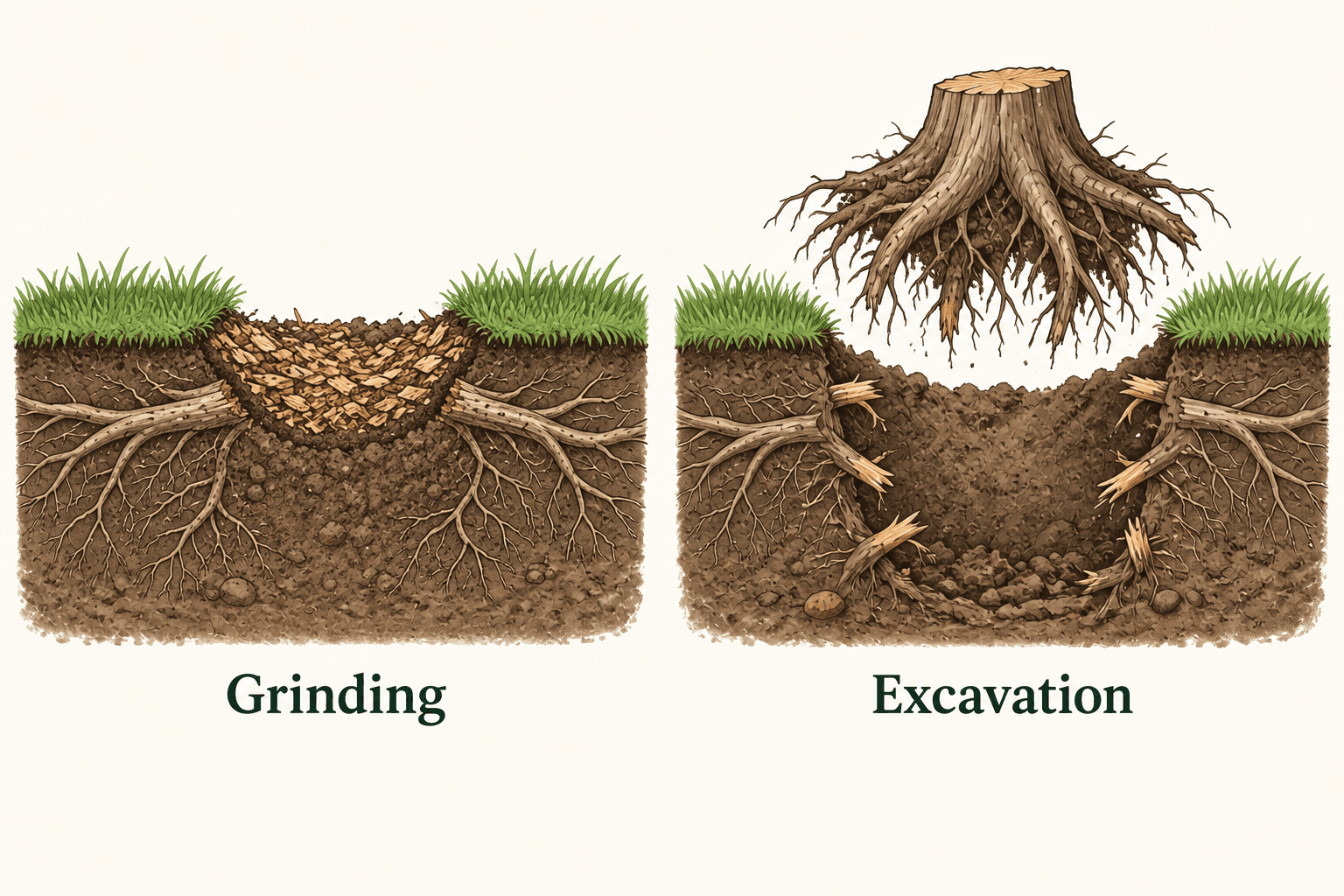
Grinding the stump removes the bulk of the decaying timber from the top 200–300 mm of the root zone. It does not remove every root below ground, but it eliminates the main mass of material that would otherwise sit and rot at a shallow depth for years.
If the stump is close to the house and you are in a termite-active area, grinding is a sensible precaution. It is not a substitute for a proper termite management plan, but it removes one unnecessary risk factor.
What the grinding process looks like
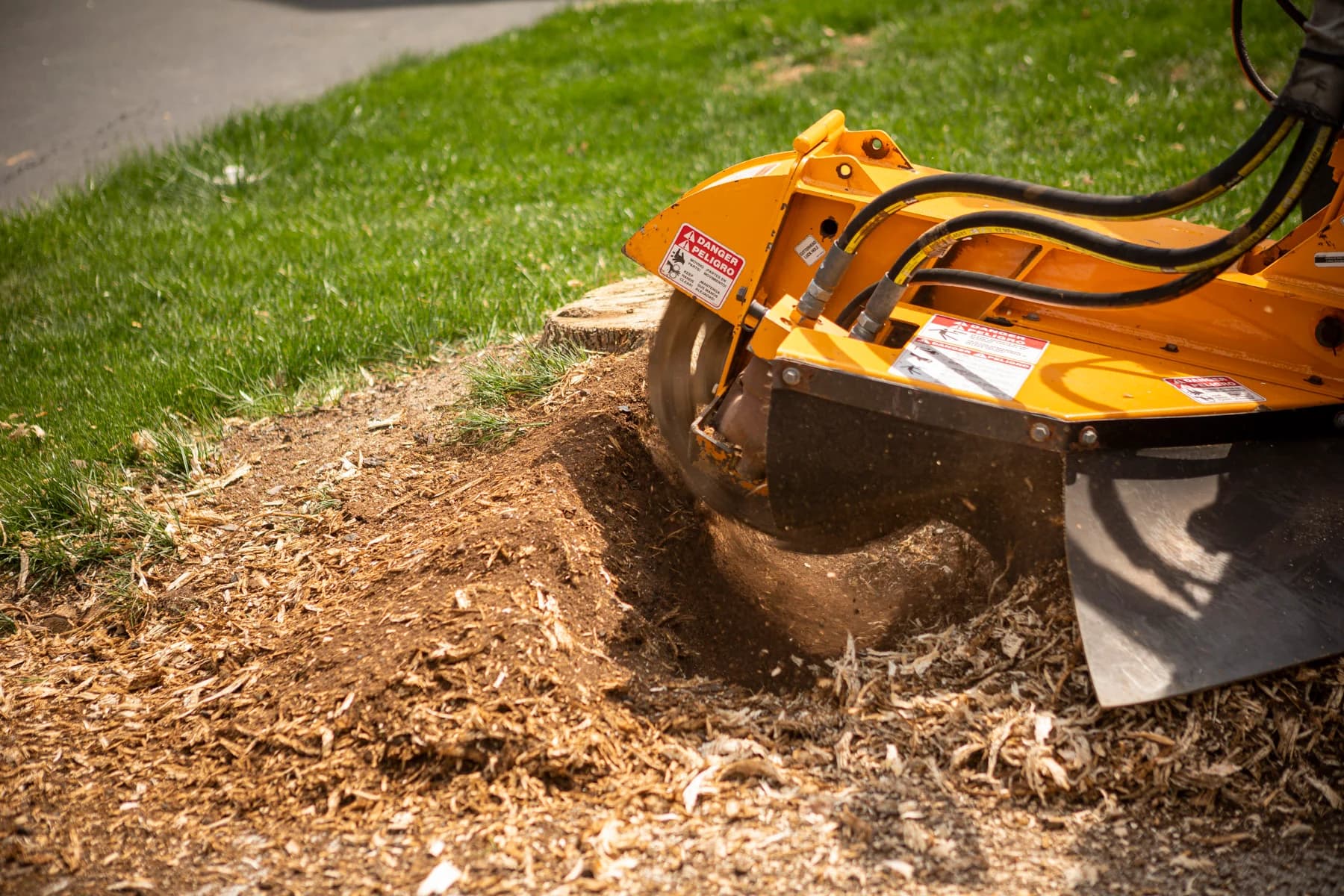
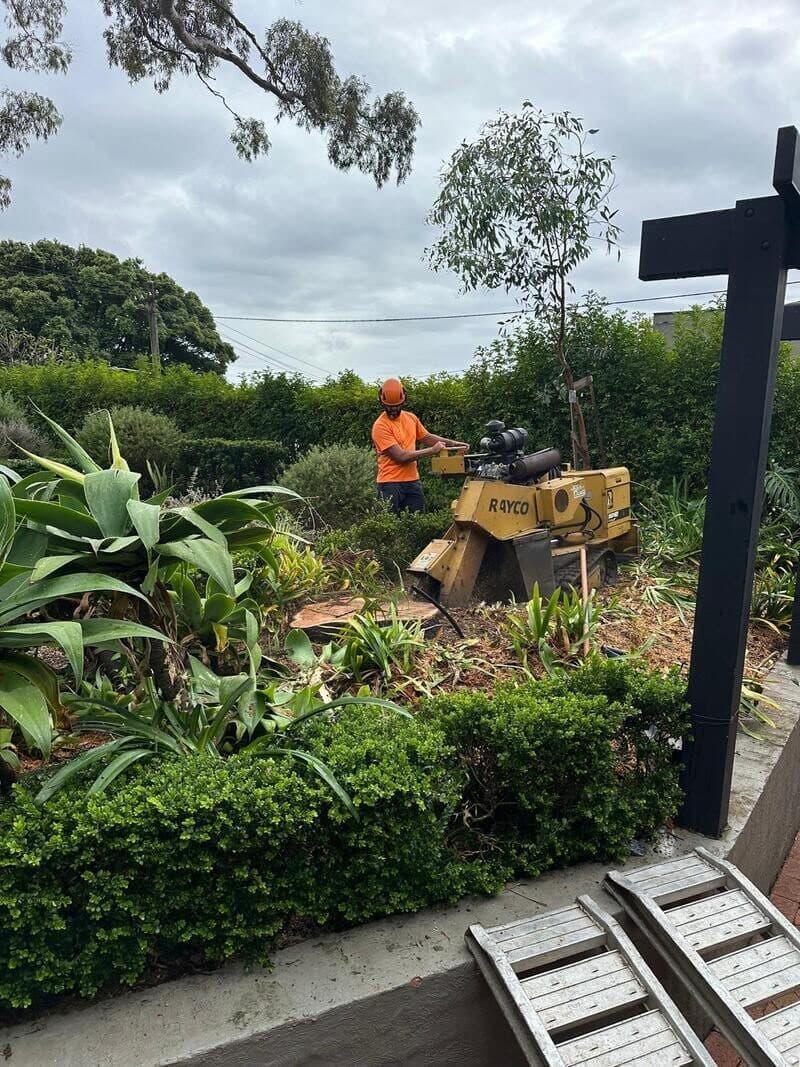
Stump grinding uses a machine with a rotating cutting wheel that chips the stump and the top section of the root plate into small pieces. The process is straightforward:
- Assessment. The operator checks the stump size, root spread, access, and whether there are any underground services (pipes, cables, irrigation) in the grinding zone.
- Grinding. The machine is walked into position and the cutting wheel is lowered onto the stump. It grinds in sweeping passes, working the stump down to 200–300 mm below ground level.
- Cleanup. The grinding produces a pile of wood chips and soil mixed together. This material can be raked back into the hole, used as mulch elsewhere, or removed from site depending on the owner's preference.
- Backfill. If the hole is being turfed or landscaped, the grindings are topped up with soil and levelled. If a new tree is going in, the grindings are usually removed and replaced with clean soil.
The whole process takes anywhere from fifteen minutes for a small stump to an hour or more for a large one with extensive surface roots. Access is the main variable — if the grinder can be wheeled straight to the stump, the job is quick. If it needs to go through a narrow side gate or over steps, it takes longer.
Cost: bundling vs standalone
Stump grinding is almost always cheaper when bundled with the tree removal. The crew is already on site, the area is clear, and there is no additional travel or setup cost.
As a standalone job, grinding costs more per stump because of the separate mobilisation. The actual grinding time is the same, but you are paying for the crew and machine to come out specifically for that one task.
If you are having multiple trees removed, it is worth grinding all the stumps at once rather than leaving some for later. The per-stump cost drops significantly when the machine is already running.
For a broader look at what affects pricing, see our guide on tree removal costs in Sydney.
What happens to the roots after grinding
Grinding removes the stump and the top section of the root ball, but the deeper roots remain in the ground. This is normal and expected.
The remaining roots will decay over time. In most cases they cause no further issues. However:
- Some species may still produce root suckers for a period after grinding. If this happens, cutting the suckers as they appear will exhaust the root system over a few months.
- Large structural roots near paving or driveways may continue to heave or shift slightly as they decay. This is uncommon but possible with very large trees.
- The soil in the grinding zone will settle as the buried grindings decompose. If you turf or pave over the area, expect a slight depression within the first year or two. Topping up with soil resolves this.
Frequently asked questions
How soon after removal should the stump be ground?
There is no strict deadline. Same-day grinding is ideal for cost and convenience, but the stump can be ground weeks or months later without issue. The sooner it is done, the sooner the area is usable.
Can I plant a new tree where the stump was?
Yes, once the grindings are removed and replaced with clean soil. Most arborists recommend waiting a few months to let the area settle, but there is no hard rule. The new tree should be positioned slightly off the original root plate if possible.
Will stump grinding damage my lawn or garden?
The grinder creates a localised disturbance around the stump. Any grass, mulch, or garden bed within about a metre of the stump will be affected. The area can be restored with turf or replanting once the hole is backfilled and levelled.
Is stump grinding noisy?
Yes. The machine produces significant noise while the cutting wheel is engaged. Most jobs are completed within an hour, and operators work within standard residential hours. If you have noise-sensitive neighbours, it is worth giving them a heads-up.
What if there are underground services near the stump?
The operator will check for known services before grinding. If there is any doubt — particularly with older properties where service locations may not be well documented — a service locator scan can be arranged before the work starts. Grinding depth is adjustable to avoid damage.
Practical next step
If you have had a tree removed and the stump is still sitting in the yard, or you are planning a removal and want to include grinding in the same visit, send us photos of the stump and let us know what you plan to do with the space. That is enough to provide a clear quote.
Helpful next pages:
Need Help With This Kind Of Tree Work?
Get practical advice on the next step, not just a generic quote
If this article matches the issue you are dealing with, send photos of the tree, access path, and anything nearby. That makes it easier to advise on the safest scope and the right service for the site.
AA Tree Services Sydney
Sydney Arborist Team
Qualified arborists providing tree removal, pruning, lopping, hedge trimming, and stump grinding across Greater Sydney. Every article is written from real site experience to help property owners make better decisions about tree safety, access, pricing, and the right scope of work.