This is our typical price for the job described, including GST, confirmed in October 2026. Your quote depends on the tree and the site. For how we approach the work, see tree lopping and canopy reduction in Sydney.
Typical tree lopping cost in Sydney
- Typical price, inc. GST$900–$2,200Selective reduction on one medium tree
The range assumes one medium tree whose condition and branch structure allow the proposed cuts. It covers ordinary climbing access, routine controlled lowering of branches, removal of the green waste and a basic tidy of the work area.
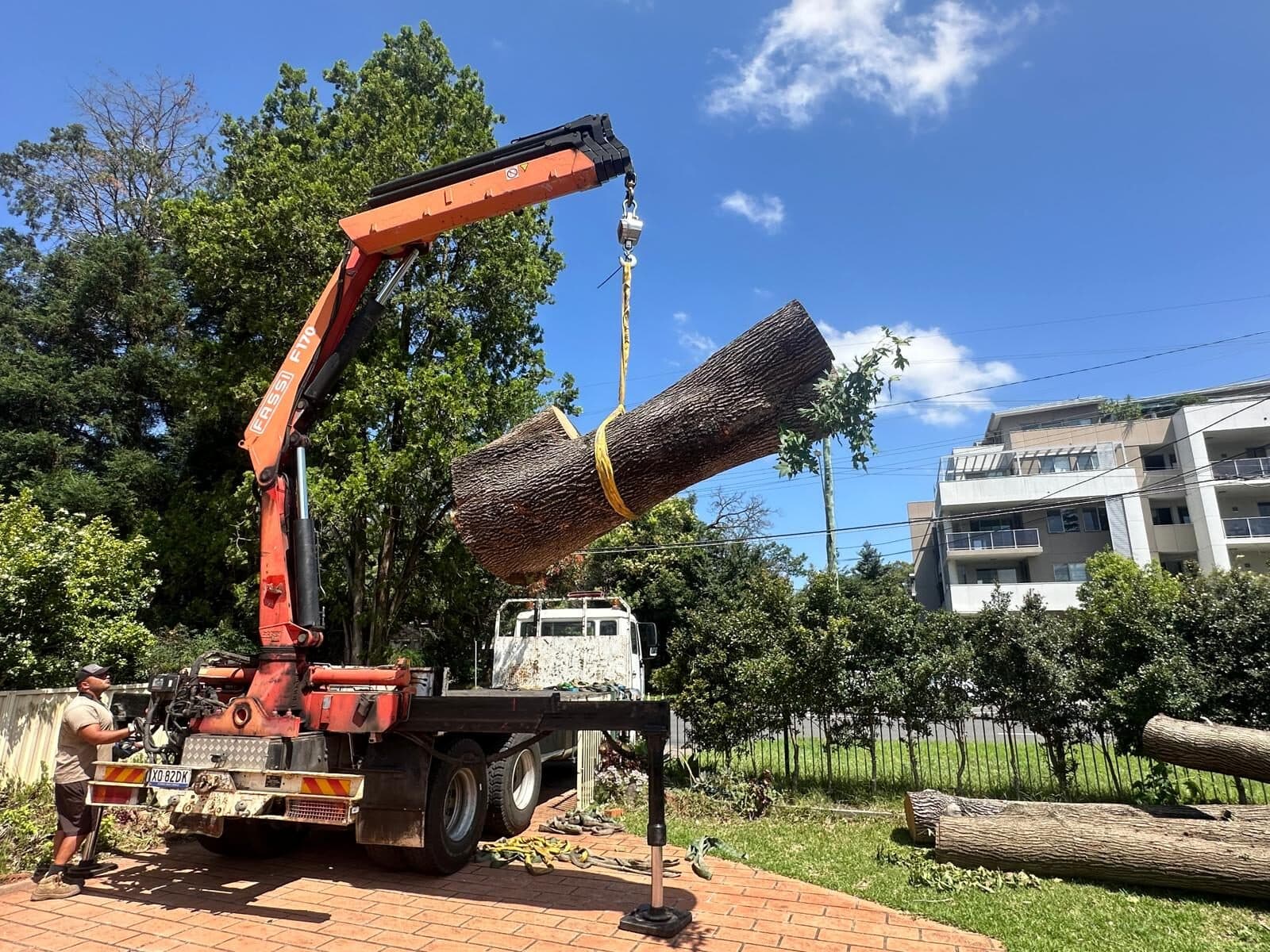
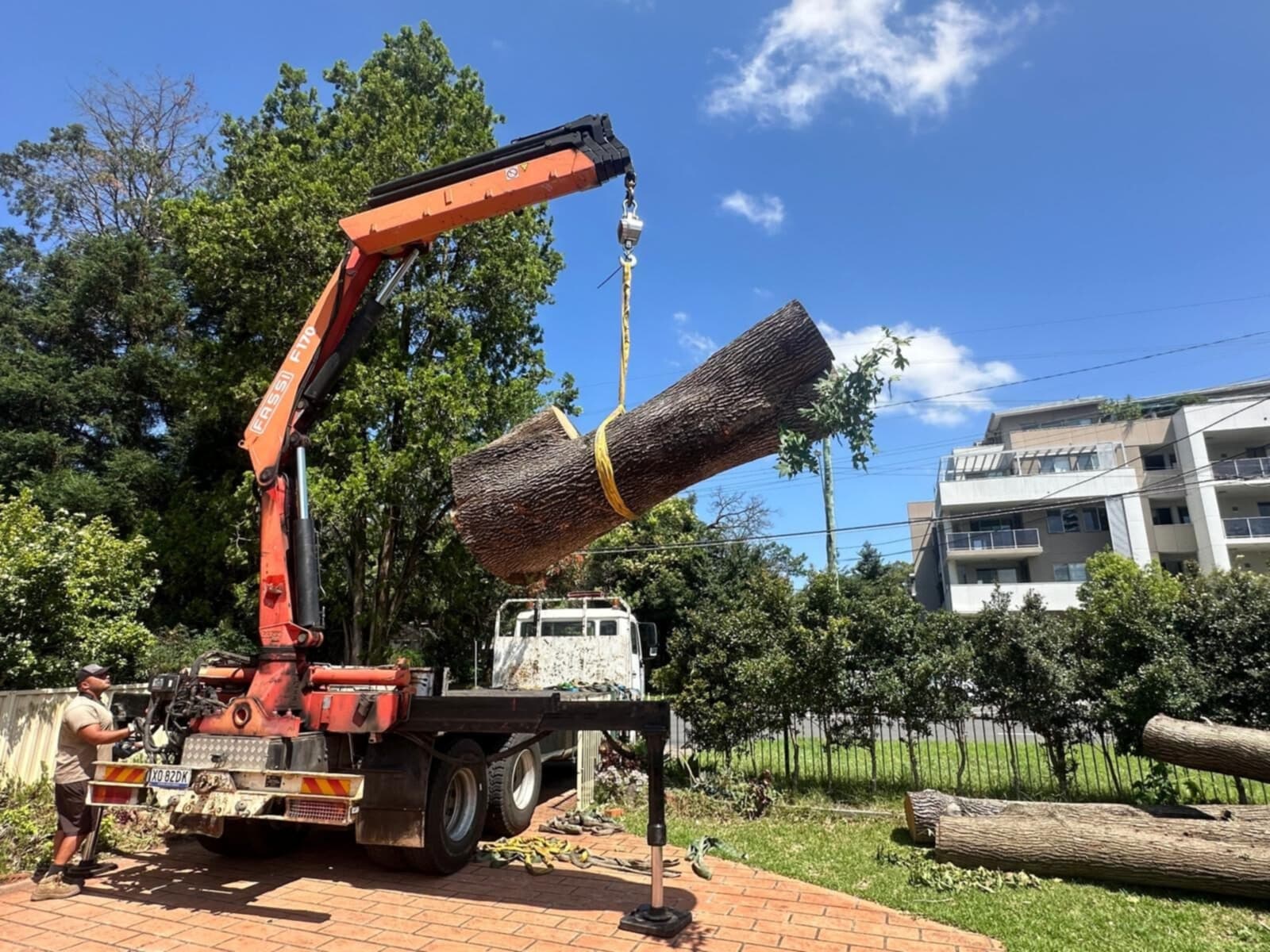
It doesn't include indiscriminate topping, whole-tree removal, extensive rigging over buildings, crane or elevated-platform hire, council fees, independent arborist reports or work near power lines that needs the electricity network's involvement. It also doesn't assume a tree can tolerate losing a set percentage of its canopy or being cut to a chosen height.
For smaller jobs, such as a few clearance cuts or deadwood removal, see the ranges in our tree pruning cost guide.
What "tree lopping" usually means in a quote
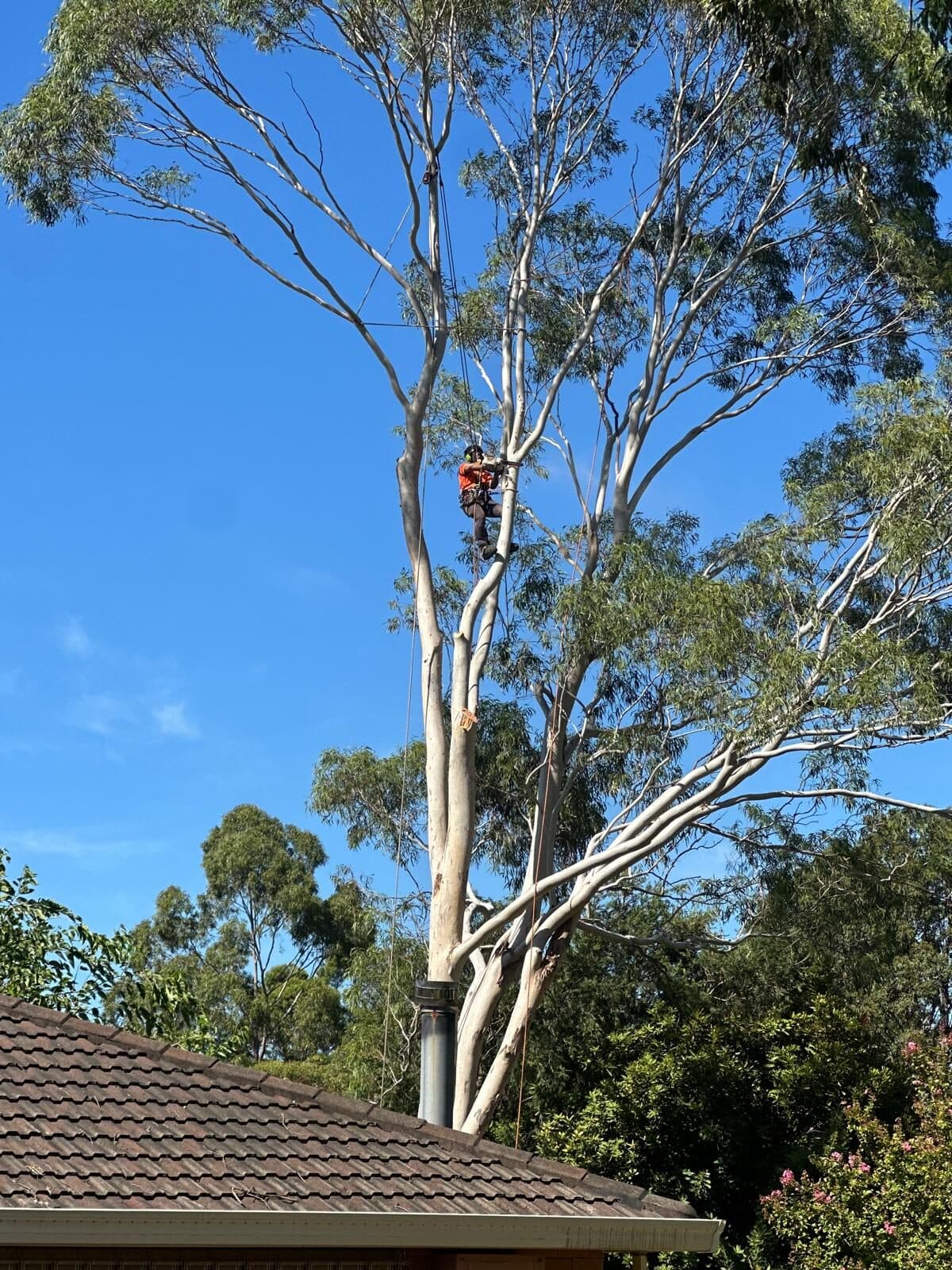
"Tree lopping" is a customer term rather than a precise work specification. People use it for anything from shortening a branch over the gutter to cutting back a whole overgrown crown. A useful quote starts by defining the result you need, then the cuts that can achieve it without damaging the tree.
In practice, most lopping enquiries are about:
- a tree that has outgrown its space
- branches over a roof, driveway, fence or neighbouring property
- shade, leaf drop or blocked views
- reducing a tree's size before a decision about removal
The suitable answer may be selective pruning, a crown reduction to suitable branch junctions, or in some cases removal.
What changes the price?
How much canopy is being reduced
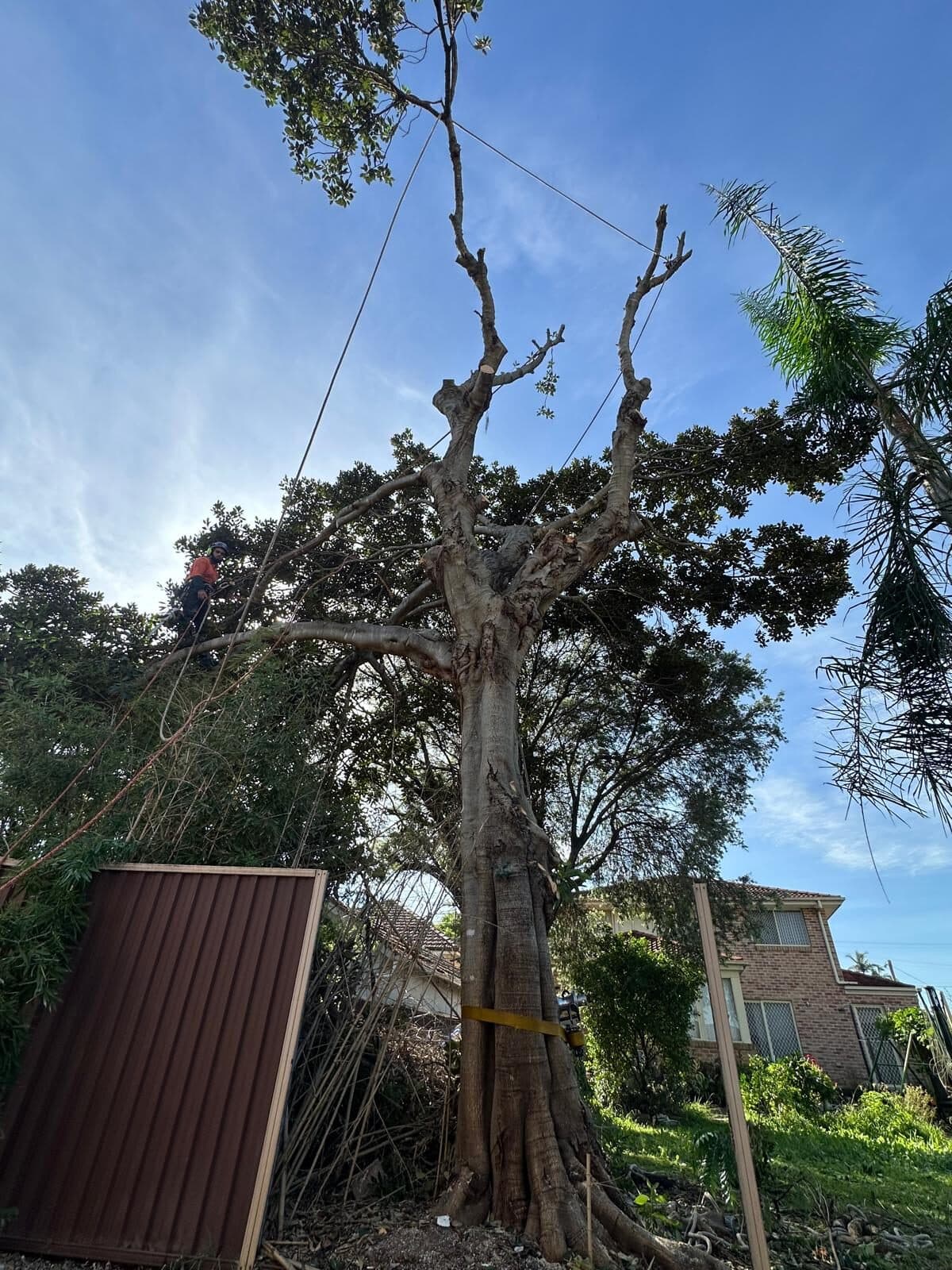
Shortening a few extending branches is a very different job from working around the whole crown. The more cuts, the more lowering and the more waste, the longer the job takes.
Suitable cut positions
What can be achieved depends on where the tree has branch junctions suitable for cutting back to, not just the height you would like. Sometimes a smaller reduction now, followed by later work, is the better option for the tree.
Height and spread
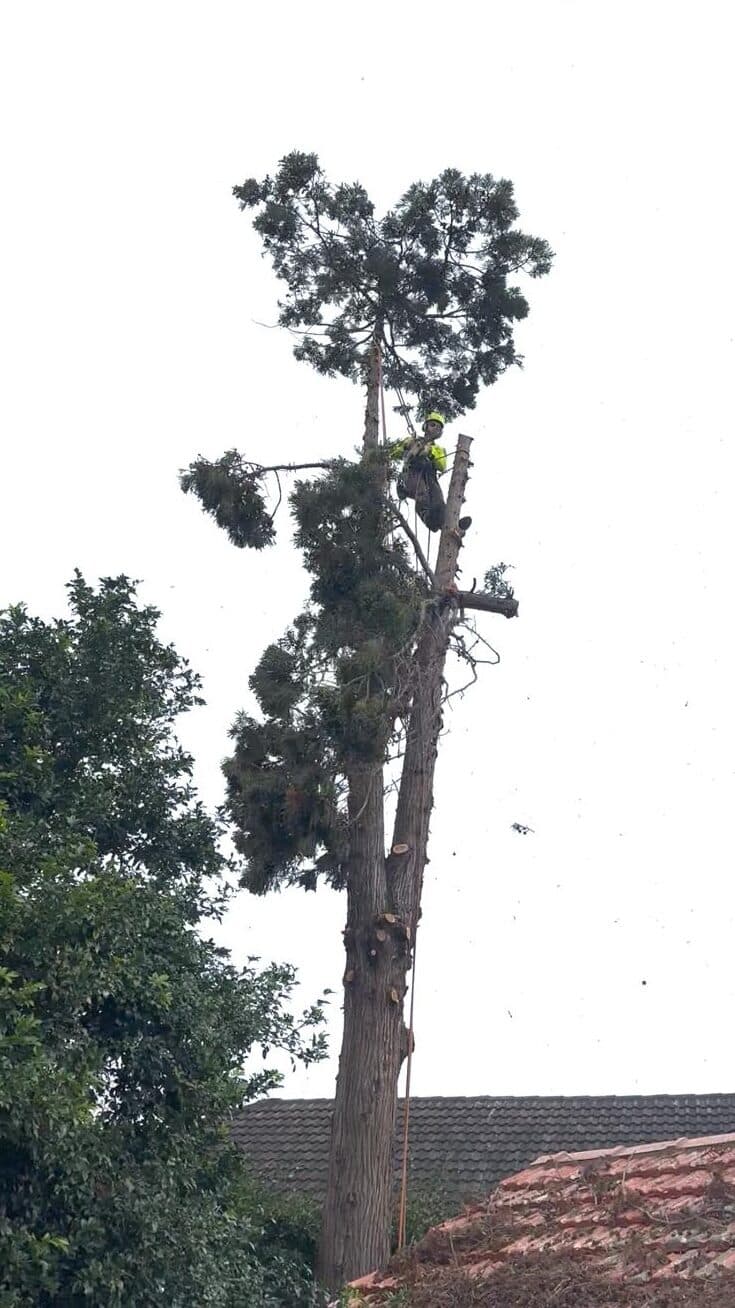
Taller, wider trees need more climbing time and more repositioning in the canopy. Height also changes how branches have to be handled on the way down.
Access to the tree
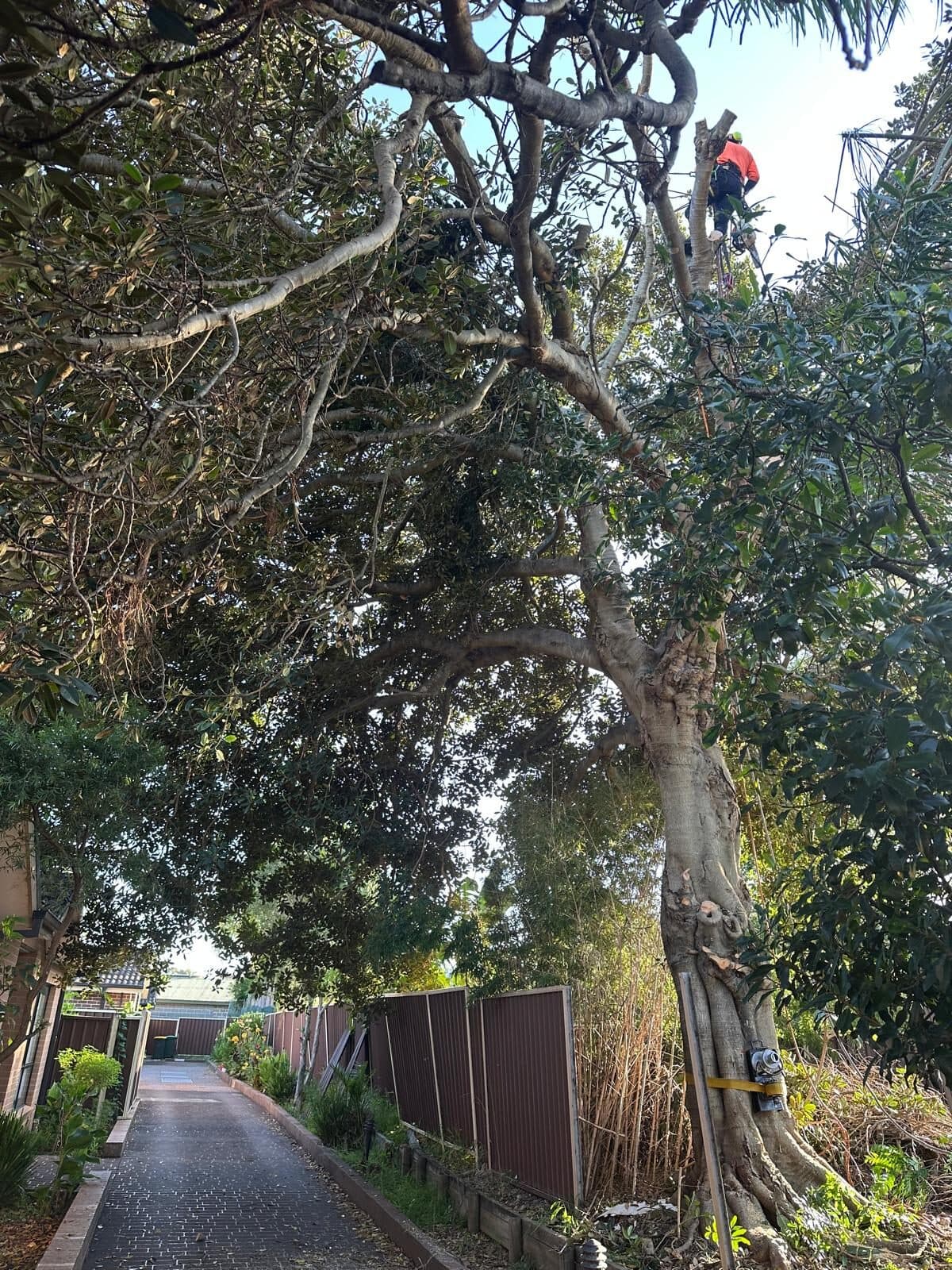
A tree in an open yard with clear ground beneath it is straightforward. A backyard tree reached through a narrow side passage, over retaining walls or past garden beds means more rope work and more carrying by hand.
Roofs, fences, pools and neighbouring gardens
Branches over open lawn can often be cut and dropped. Branches over a roof, solar panels, pool, car or neighbour's garden need smaller sections and controlled lowering. That extra care is often the main reason two similar-looking trees are priced differently.
Tree condition
Weak branch attachments, decay or heavy regrowth from earlier severe cutting can change what work is appropriate and how it can be done safely.
Waste and clean-up
Reduction work can produce a lot of material. Long carrying routes, the volume of branches and whether everything leaves the property all affect the total.
Several trees in one visit
Several trees on the same property can sometimes be done more efficiently in one visit, because set-up and travel are shared. Each tree still needs its own scope.
Power lines
A tree close to overhead electrical lines needs the electricity network's advice and appropriately authorised workers before ordinary work can be planned.
Why topping is not the budget option
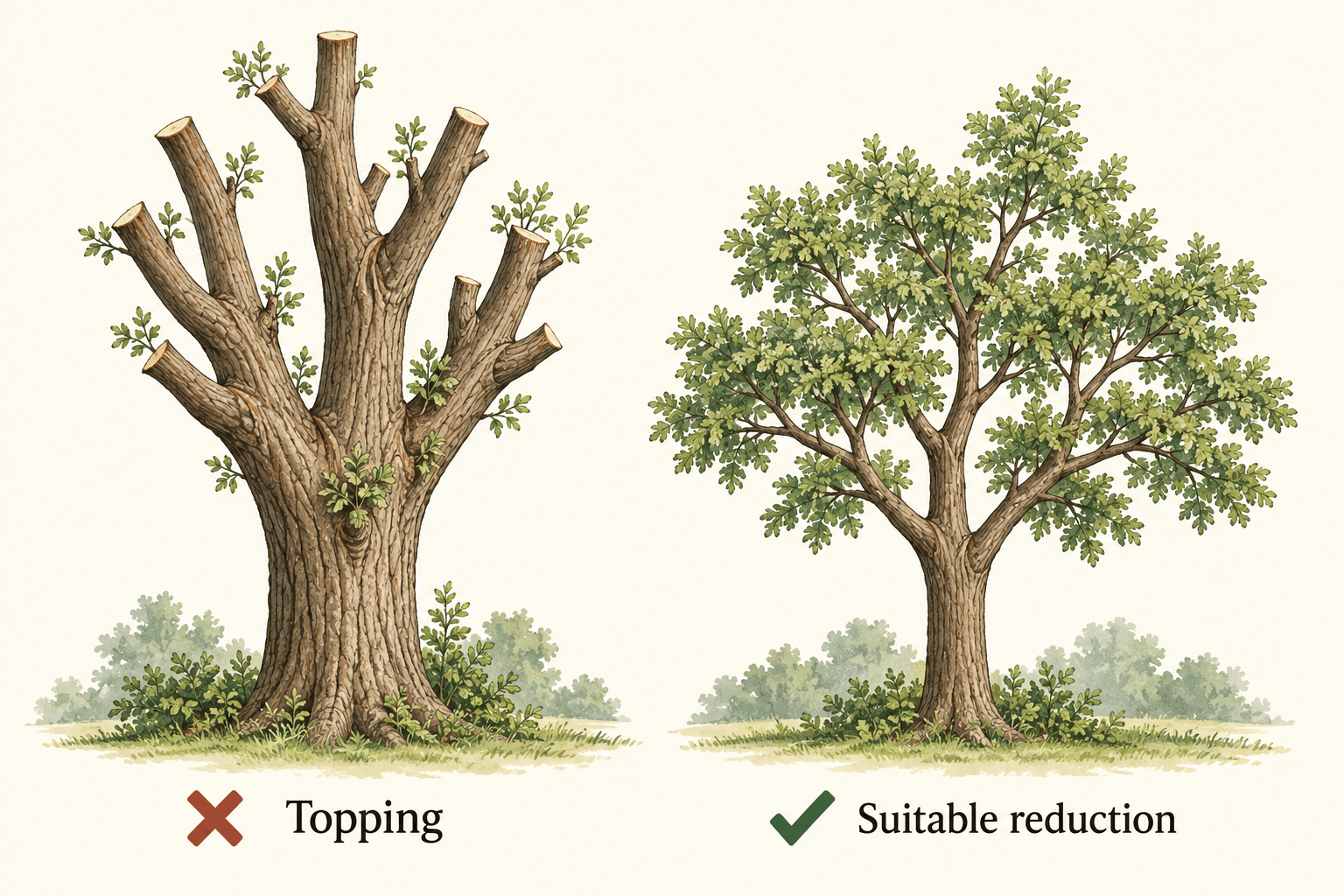
Topping, or cutting a tree off at an arbitrary height, can look like a quick, cheap way to make a tree smaller. It leaves large wounds that can decay, and the tree often responds with dense, weakly attached shoots that grow quickly. That regrowth can bring the original problem back within a few years and create a less stable tree that needs more work later.
A low price isn't a saving if the method is unsuitable. See tree lopping vs pruning for the terminology and our guide to crown reduction, lifting and thinning for the practical differences.
When to compare removal instead
Sometimes a reduction isn't the most cost-effective answer. If a tree is in poor health, structurally unsound, or will quickly regrow to the same problem size, removal may be better value over time. On a very large tree, a heavy reduction can involve almost as much work as removal.
A hollow, a lean or a damaged branch isn't enough on its own to justify removal. The tree's condition and risk need assessing first. Our lopping vs removal guide walks through that decision, and the tree removal cost guide covers the costs of taking the whole tree down.
Does council approval affect the cost?
Council permission is separate from the cutting work, but it can limit what is allowed. Many councils protect trees by size, species or location, and a substantial reduction can need approval just as removal does. An application may involve a fee, an independent arborist report and conditions on how much can be cut.
Check your council's rules using the Sydney council guide before booking significant reduction work.
Why the cheapest quote isn't always the cheapest outcome
A very low lopping quote may not allow for:
- the climbing and rigging the tree actually needs
- cuts that suit the species and branch structure
- protection of structures and gardens below
- green-waste removal and clean-up
- appropriate insurance
The most expensive quote isn't automatically the best either. Compare the method and what is included. Our team includes an AQF Level 3-qualified arborist, and we hold $20 million public liability insurance covering the tree work we advertise.
What a clear lopping quote should include
Before you accept a quote, check that it explains:
- which tree and parts of the canopy will be reduced
- the intended result, such as a clearance from the roof or a reduced spread
- how the crew will reach and lower the branches
- whether green-waste removal and clean-up are included
- whether any timber or mulch stays on site
- anything excluded, such as council fees, reports or power-line work
A quote that describes the work is far easier to compare than a total with no detail.
Our other typical prices
For related work on the same visit, these are our typical prices for the other kinds of job.
Our other typical prices, including GST
- $400–$900Tree Removal: one small tree, under about 5 metres, open access
- $1,000–$2,800Tree Removal: one medium tree, about 5–10 metres, in sections
- $350–$700Tree Pruning: limited pruning on one small tree
- $700–$1,400Tree Pruning: selected pruning across one medium canopy
- $300–$700Tall Hedge Trimming: maintenance trim of a regularly kept tall screen
- $600–$1,500Tall Hedge Trimming: reducing an overgrown tall hedge
- $330–$990Stump Grinding: one accessible residential stump
For the service itself, see tree lopping in Sydney and the areas we cover.
Common questions
Originally published .

Written by the AA Tree Services team
Our team includes an AQF Level 3-qualified arborist with more than 15 years of tree-work experience.
- Arboriculture Australia member
- $20 million public liability insurance
- Since 2021