Tree lopping and tree removal are two of the most common services property owners ask about in Sydney, but they solve very different problems. One keeps the tree. The other takes it out entirely.
If you are comparing quotes or trying to work out which service you actually need, understanding what each one involves will help you avoid paying for the wrong job or making a decision you cannot reverse.
Tree lopping reduces the canopy to control size while keeping the tree in place. Tree removal takes the entire tree down. The right choice depends on the tree's health, structure, location, and what problem you are trying to solve.
What tree lopping actually involves
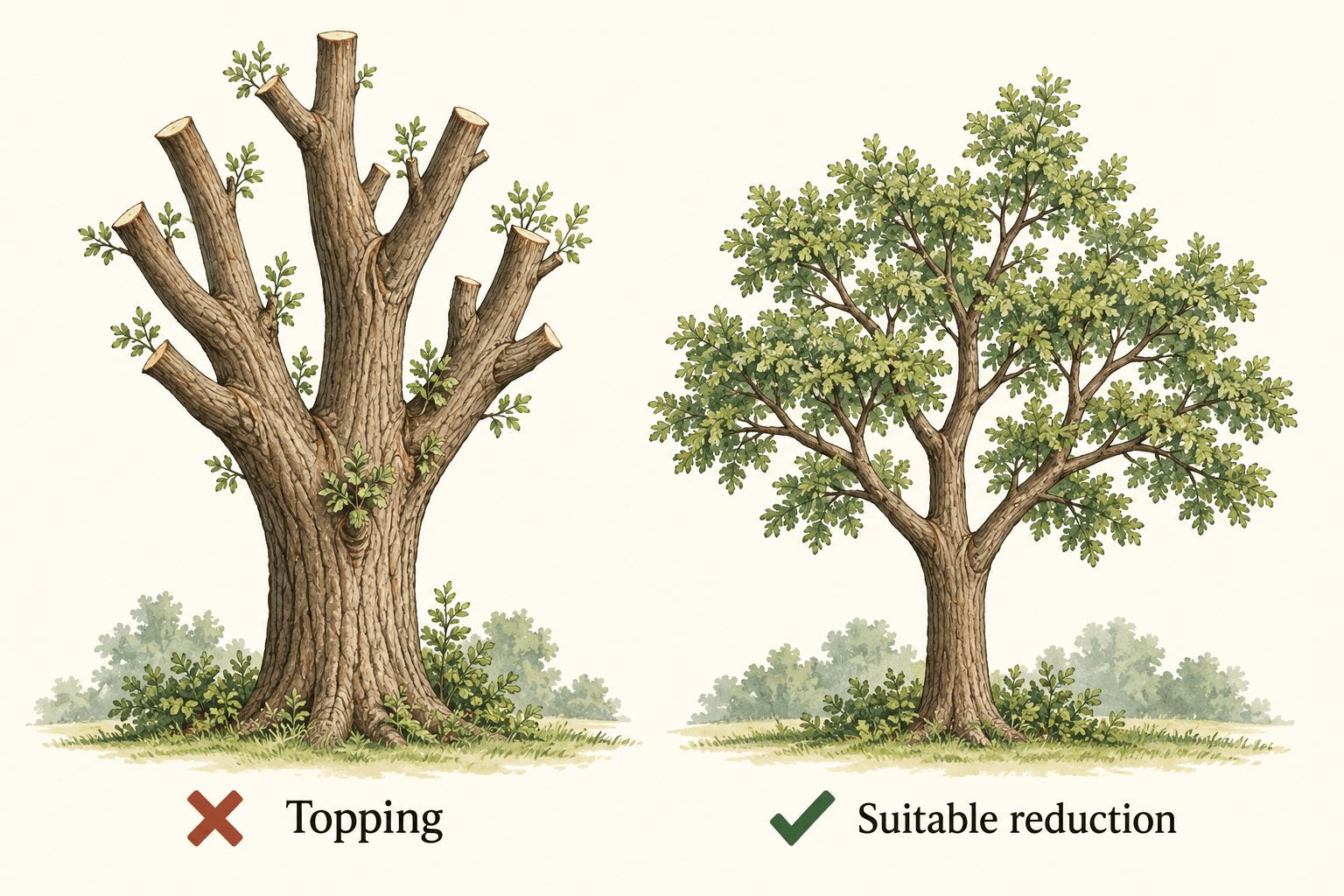
Tree lopping is a heavier canopy reduction. The goal is usually to cut the tree back significantly — reducing height, spread, or both — while leaving the trunk and main framework standing.
It is not the same as selective pruning. Lopping typically involves larger cuts and removes a greater proportion of the canopy. The tree stays on the property and is expected to regrow, although how it responds depends heavily on the species, the severity of the cuts, and how the work is carried out.
Common reasons property owners request tree lopping in Sydney include:
- the canopy is crowding a roofline, power lines, or boundary
- the tree is blocking too much light or usable yard space
- the owner wants to keep the tree but needs it significantly smaller
- the tree has outgrown the site and standard pruning will not create enough clearance
Lopping is a practical option when the tree is structurally sound and the species tolerates hard cutbacks reasonably well. Not all trees recover cleanly from heavy reduction, so the species matters.
What tree removal involves
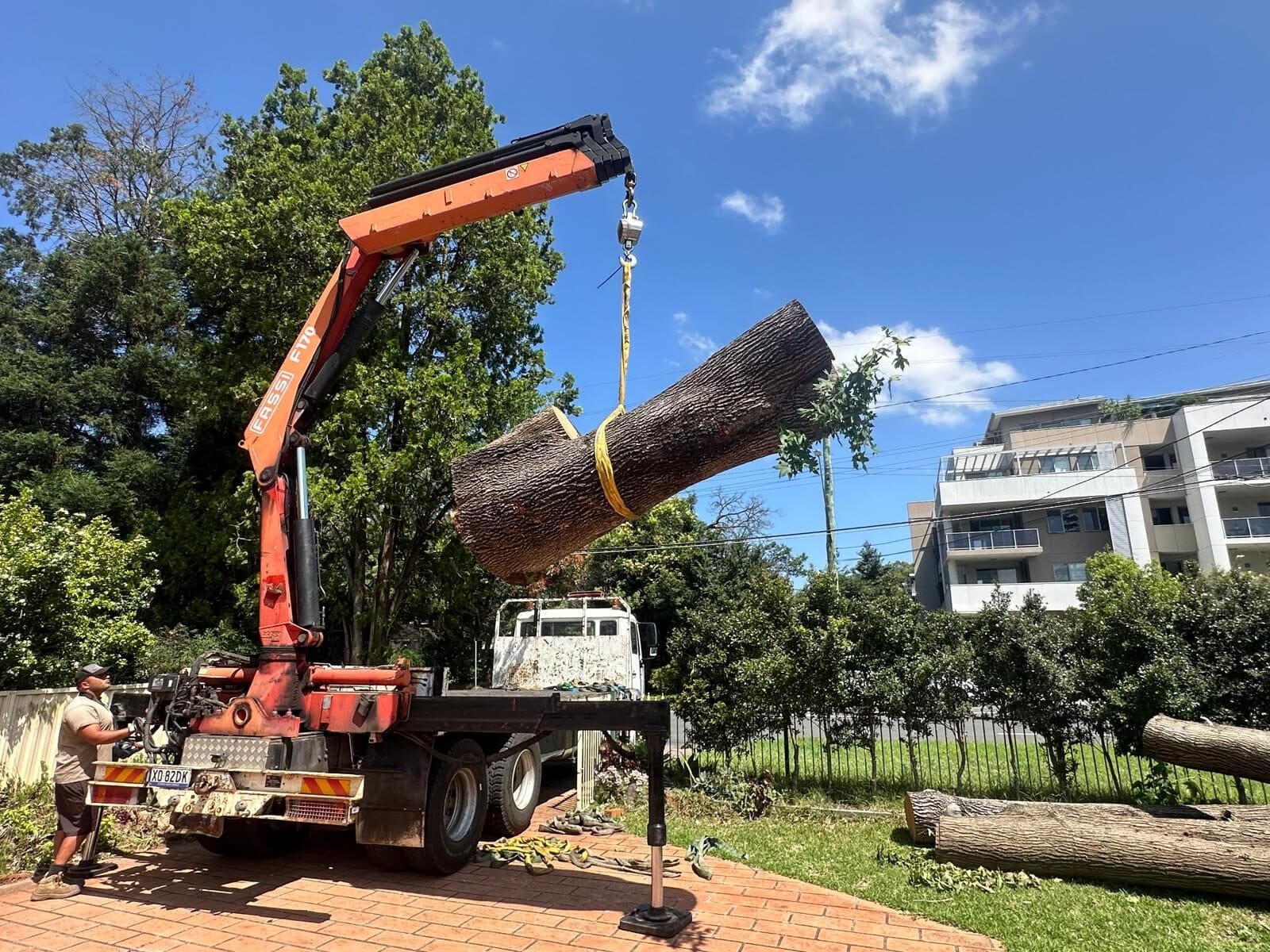
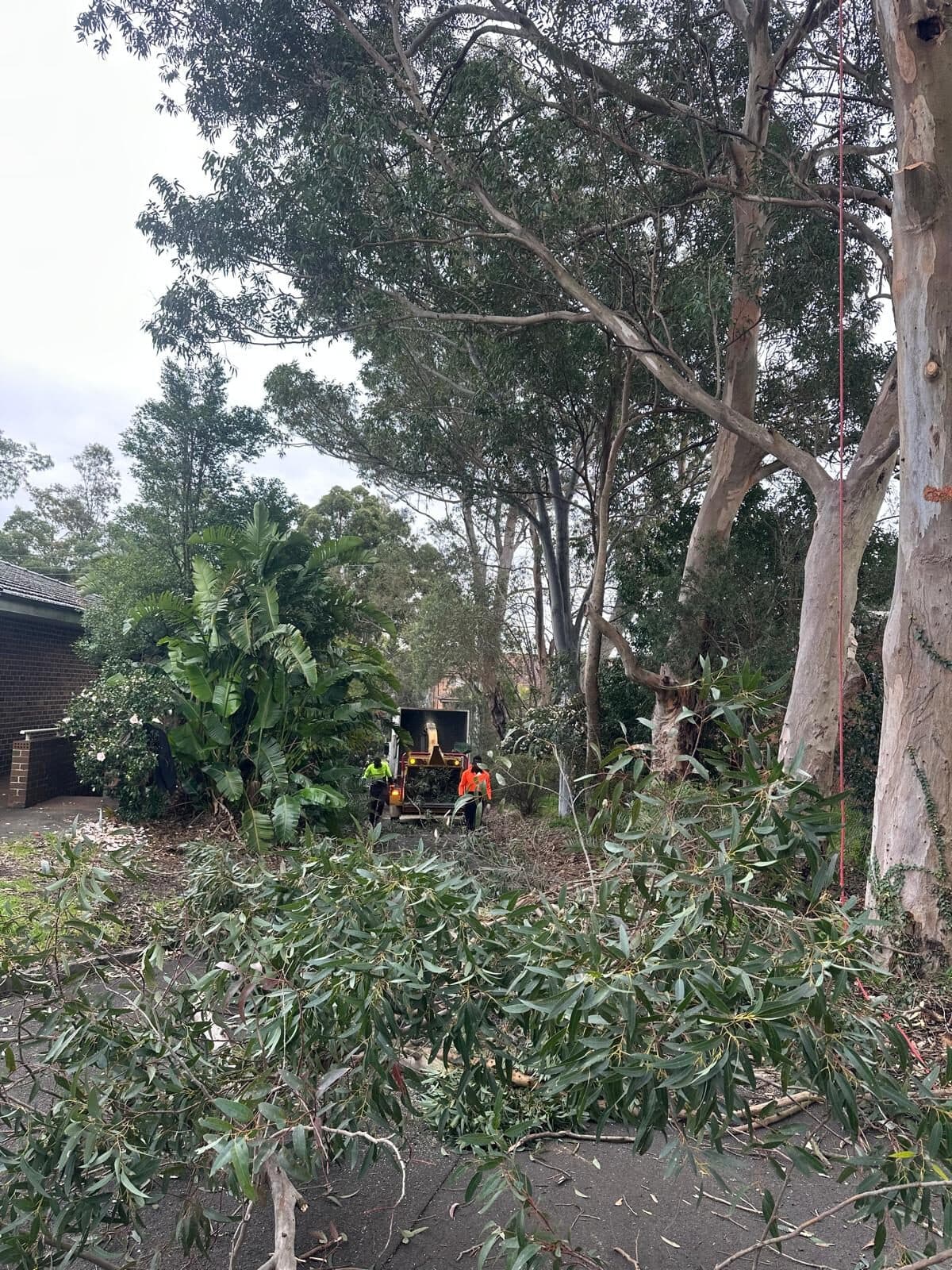
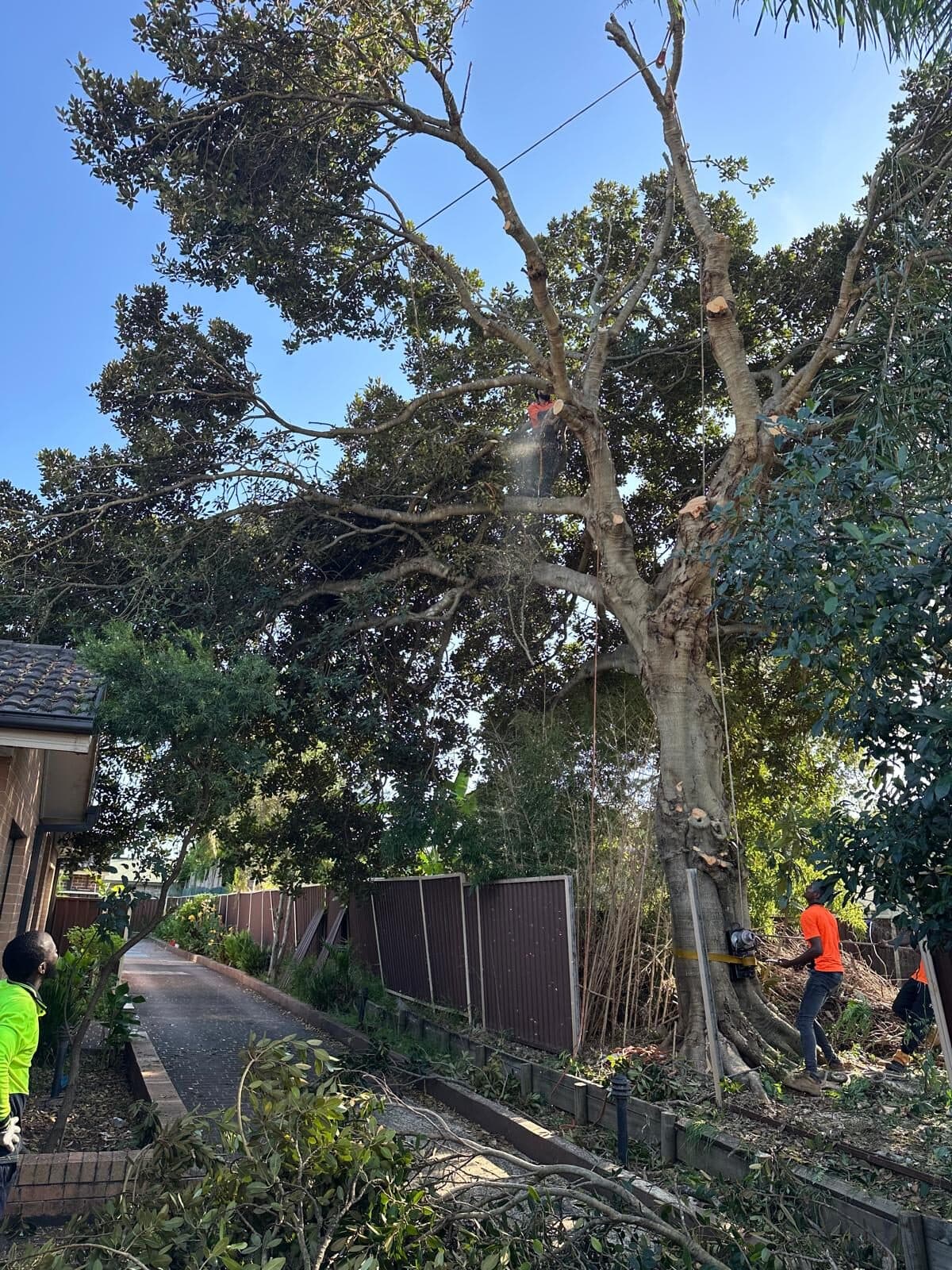
Tree removal means taking the entire tree down to ground level. In most residential situations, this includes sectional dismantling from the canopy down, controlled lowering of heavy limbs, and full cleanup of debris.
The stump is usually left at ground level unless stump grinding is added to the job. After removal, the tree is gone permanently.
Removal is not always the dramatic last resort people imagine. In many cases it is the most straightforward, cost-effective, and honest recommendation — especially when the tree has passed the point where cutting it back will actually solve the problem.
Key differences at a glance
Keeps the tree. Reduces canopy size. Tree regrows over time. Works best when the tree is healthy and the species handles heavy cuts well. Ongoing maintenance is usually needed.
Removes the tree entirely. Solves the problem permanently. Required when the tree is dead, dangerous, or no longer suitable for the site. No ongoing tree maintenance afterward.
When lopping is usually the right choice
Lopping tends to be the better option when:
- the tree is healthy and structurally sound
- you want to keep it for shade, privacy, or aesthetic reasons
- the species is known to tolerate heavy reduction without major dieback
- the canopy just needs to be brought back to a manageable size
- there is no structural defect, significant lean, or decay issue
- the tree is not going to outgrow the site again within a year or two
In these situations, a well-planned canopy reduction can buy years of useful life and avoid the cost and disruption of full removal.
It is worth noting that lopping is not a one-off fix. Most trees that get lopped will need follow-up maintenance as the regrowth establishes. Budget for that when comparing the long-term cost against removal.
When removal is the better answer
Removal is usually the more practical option when:
- the tree is dead or dying
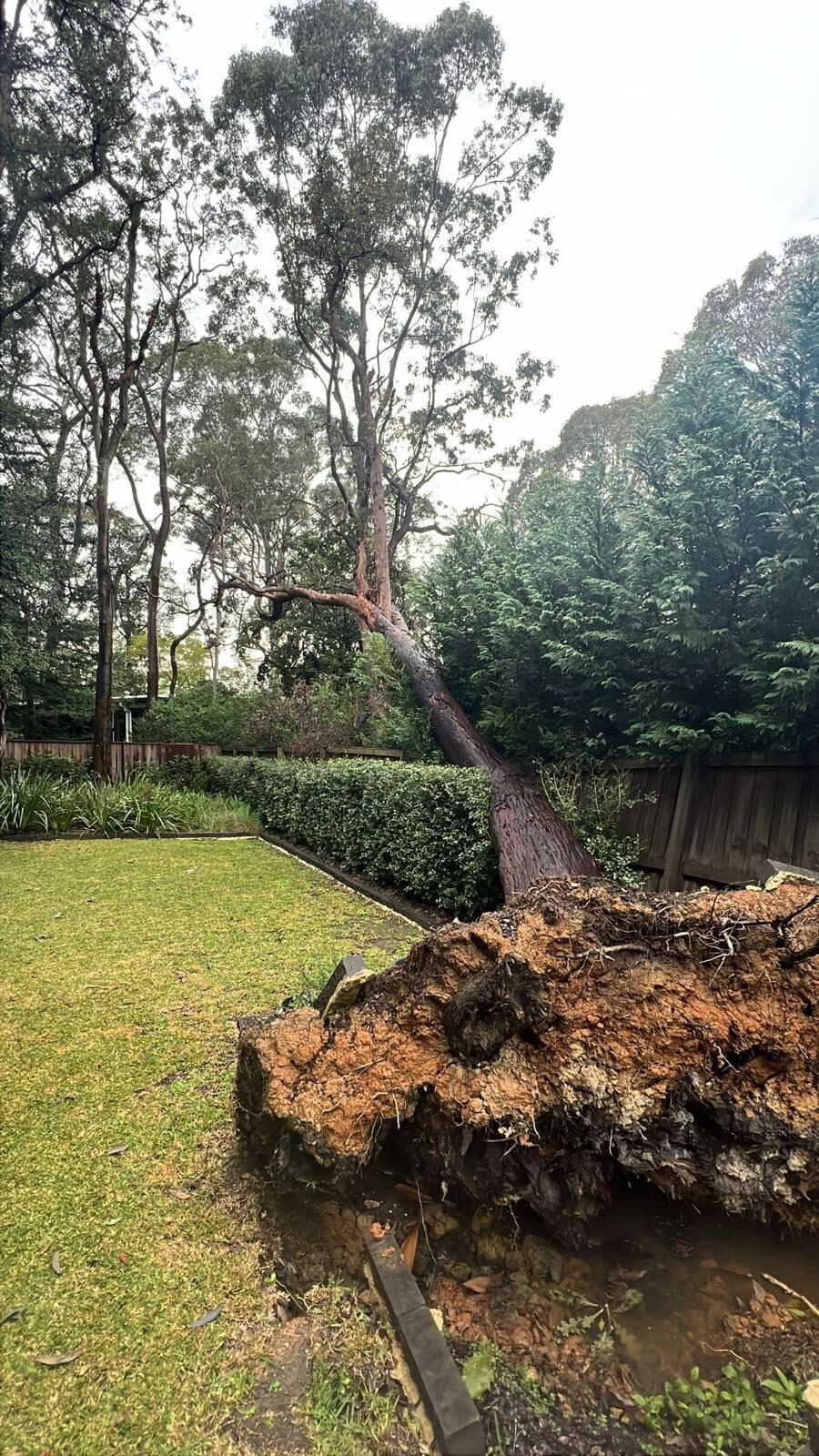
- there is significant structural failure, such as a split trunk, major cavity, or root plate damage
- the tree has been storm-damaged beyond what corrective pruning can fix
- it is leaning dangerously toward a structure, fence, or neighbouring property
- the species is entirely wrong for the space and will keep outgrowing it no matter how often it is cut back
- the root system is damaging driveways, foundations, retaining walls, or underground services
- the tree has already been lopped multiple times and is responding with weak, poorly attached regrowth
In these cases, further cutting often just delays the inevitable. The tree ends up costing more over time in repeated maintenance than a single removal would have.
The "lop it back or take it out" decision
This is the question most homeowners are really asking. They can see the tree is a problem and they want to know whether it is worth keeping.
There is no universal answer, but a few honest questions usually clarify it:
- Is the tree structurally sound? If an arborist identifies significant decay, a compromised root plate, or a structural defect that cannot be corrected, removal is usually the safer and more cost-effective path.
- Will lopping actually solve the problem? If the tree will regrow to the same problem size within a couple of years, you are signing up for a cycle of repeated work.
- How does the species respond to hard cuts? Some trees compartmentalise wounds well and produce strong regrowth. Others produce weak, poorly attached shoots or decline after heavy reduction.
- What is the long-term cost? One removal might cost more upfront than a single lopping job, but if the tree needs lopping every two to three years, removal can be cheaper over a decade.
- Do you actually want to keep the tree? Sometimes property owners feel they should keep a tree even though it has become a genuine liability. There is no obligation to keep a tree that is causing real problems, provided any council requirements are met.
Cost comparison
The cost of lopping versus removal depends on the size of the tree, site access, and the complexity of the work. As a general guide:
- Lopping tends to be less expensive per visit because the tree stays standing and there is less material to remove. However, it usually needs repeating.
- Removal is typically a higher one-off cost but eliminates ongoing maintenance. If stump grinding is included, that adds to the total.
For a detailed breakdown of what affects the price, see our guide on tree removal costs in Sydney.
When comparing quotes, make sure both contractors are proposing the same scope. A cheap lopping quote and an expensive removal quote are not comparable — they are different services solving the problem in different ways.
Council considerations in Sydney
Whether you need council approval depends on the tree, the local government area, and the extent of the work.
- Lopping may still require approval if the tree is protected, heritage-listed, or above a certain size threshold in your council area. Heavy canopy reductions on significant trees can trigger the same rules as removal.
- Removal is more commonly regulated, particularly for established native trees or trees above specific trunk diameters.
Do not assume that lopping avoids council rules just because the tree stays standing. The extent of the canopy reduction matters.
For more detail, read our guide on council approval for tree removal in Sydney.
What a qualified arborist will usually recommend
An experienced arborist will look at the tree's health, structure, species, location, and the problem the owner is trying to solve — then recommend the service that actually fits.
That might be lopping. It might be removal. It might be selective pruning if the situation is less severe than the owner thought. Or it might be a recommendation to leave the tree alone if there is no real issue.
The best outcomes come from describing the actual problem rather than requesting a specific service. "The tree is too close to the roof and dropping limbs" gives an arborist more to work with than "I need it lopped back."
Frequently asked questions
Is lopping cheaper than removal?
Per visit, usually yes. Over time, not necessarily. If the tree needs lopping every few years, the cumulative cost can exceed a single removal.
Can a lopped tree become dangerous?
Yes. Poorly executed lopping can produce dense, weakly attached regrowth that is more prone to failure than the original canopy. This is one reason the species and the quality of the cuts matter.
Should I get the stump ground if I choose removal?
It depends on your plans for the space. Stump grinding removes the visible stump and top section of the root ball, making the area usable for landscaping, paving, or replanting. If you do not need the space, leaving the stump is an option.
What if the tree is on a boundary?
Boundary trees can involve shared ownership and neighbour consent depending on the situation. An arborist can advise on the practical side, but legal questions about boundary trees may need separate advice.
Practical next step
If you are unsure whether lopping or removal is the right call, send photos of the tree and describe the problem you are trying to solve. That gives us enough to advise on the best approach before anyone picks up a chainsaw.
Helpful next pages:
Need Help With This Kind Of Tree Work?
Get practical advice on the next step, not just a generic quote
If this article matches the issue you are dealing with, send photos of the tree, access path, and anything nearby. That makes it easier to advise on the safest scope and the right service for the site.
AA Tree Services Sydney
Sydney Arborist Team
Qualified arborists providing tree removal, pruning, lopping, hedge trimming, and stump grinding across Greater Sydney. Every article is written from real site experience to help property owners make better decisions about tree safety, access, pricing, and the right scope of work.