Tree pruning costs in Sydney depend on what the tree actually needs, how big the canopy is, where the tree sits on your property, and how much controlled work is involved once the crew is on site.
A simple canopy tidy on a small front-yard tree is a different job from structural pruning on a large eucalyptus overhanging a roof. That difference shows up in the quote.
As a broad Sydney guide, light pruning on a small accessible tree may start from around $300, mid-range canopy work on a medium tree often sits between $500 and $1,500, and large structural pruning or difficult-access jobs can reach $2,000 to $3,000 or more. The most accurate quote is always the one based on the actual tree and site.
What tree pruning quotes are actually pricing
When a qualified arborist prices pruning, they are pricing a controlled process that protects the tree's health and the surrounding property. That process can include:
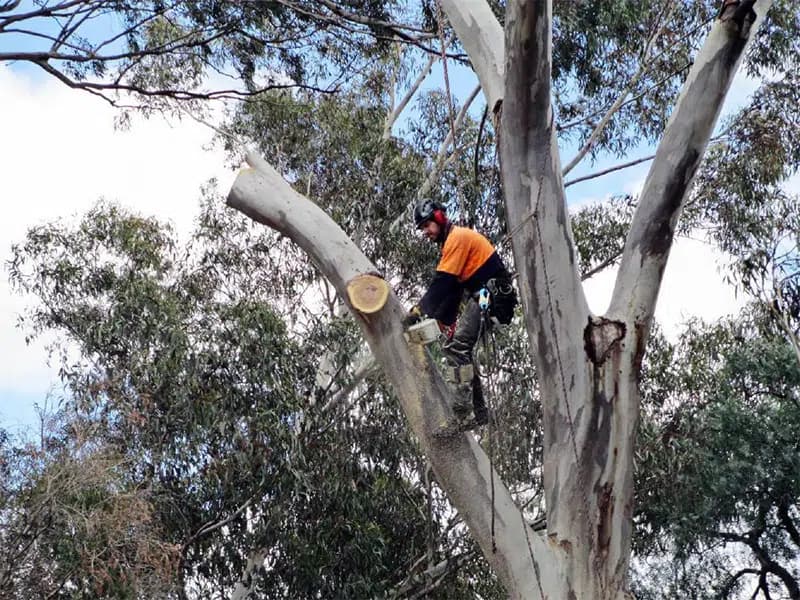
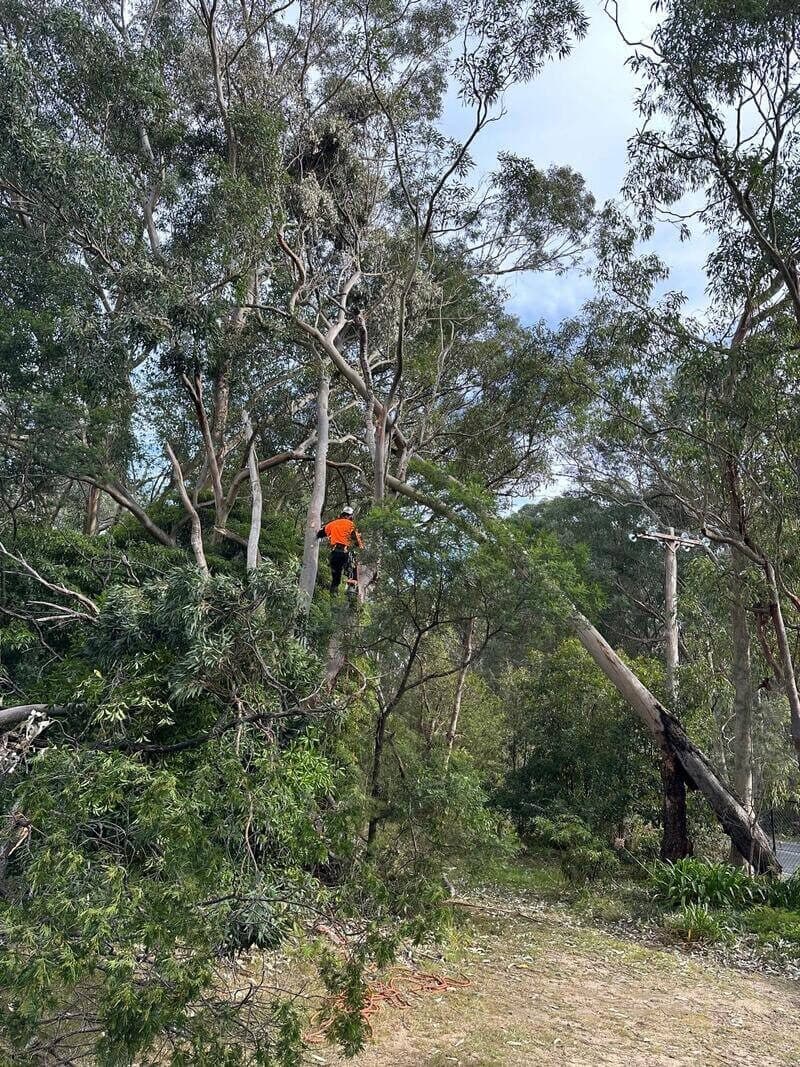
- climbing or elevated work platform access
- selective branch removal following Australian pruning standards
- canopy thinning, lifting, or reduction
- deadwood removal
- clearance from structures, power lines, or boundaries
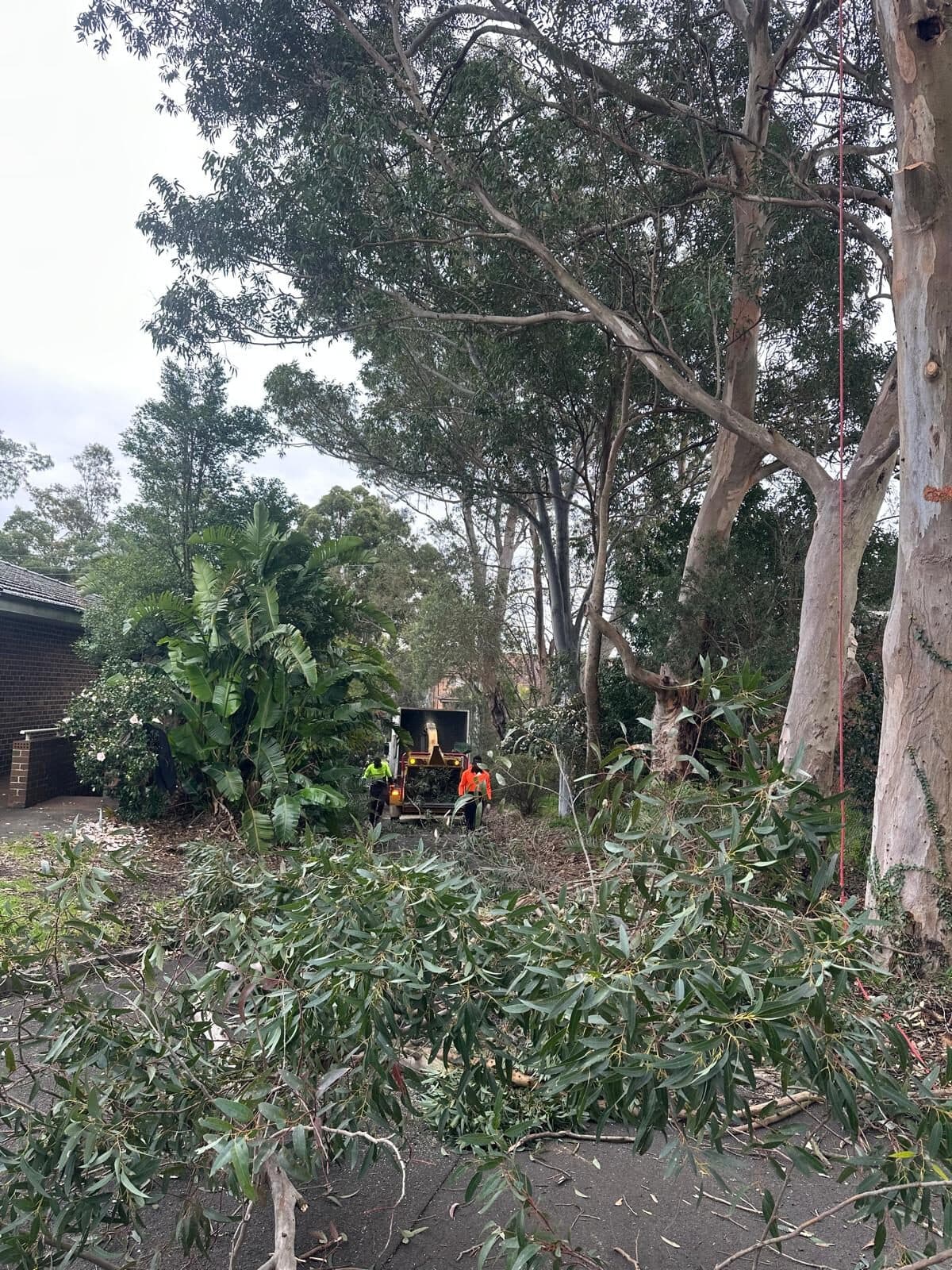
- debris chipping and removal
- site cleanup
The more precise and controlled the work needs to be, the higher the cost.
A practical Sydney price guide
No website replaces a site-specific quote, but broad price bands help you understand where your job may sit.
| Job type | Broad Sydney guide | What usually drives it |
|---|---|---|
| Small tree, light prune | Around $300 to $600 | Easy access, smaller canopy, less cutting time |
| Medium tree, standard prune | Around $500 to $1,500 | More climbing, heavier canopy work, moderate waste |
| Large tree, structural or canopy reduction | Around $1,500 to $3,000+ | Height, spread, proximity to structures, longer job |
| Difficult access or hazardous position | Often $2,000+ | Tight site, nearby rooflines, power lines, steep ground |
Treat those as broad guides only. The site conditions and the scope of work decide where your job actually lands.
The main factors that affect tree pruning cost
Tree size and canopy spread
Bigger trees with wider canopies need more climbing time, more cuts, and more waste handling. A 6-metre ornamental tree is a shorter job than a 15-metre gum with a broad canopy spreading over fences and driveways.
Access to the tree
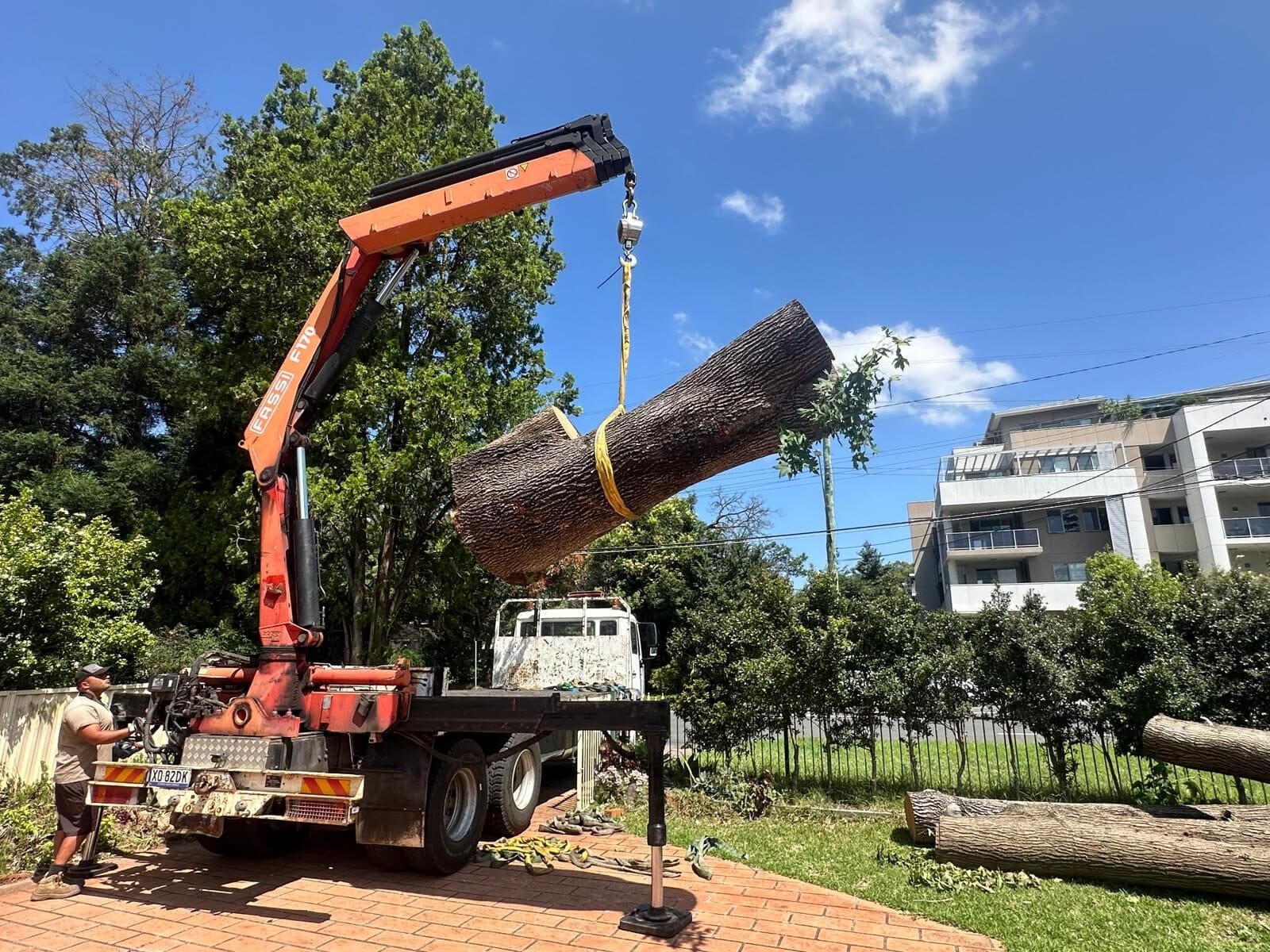
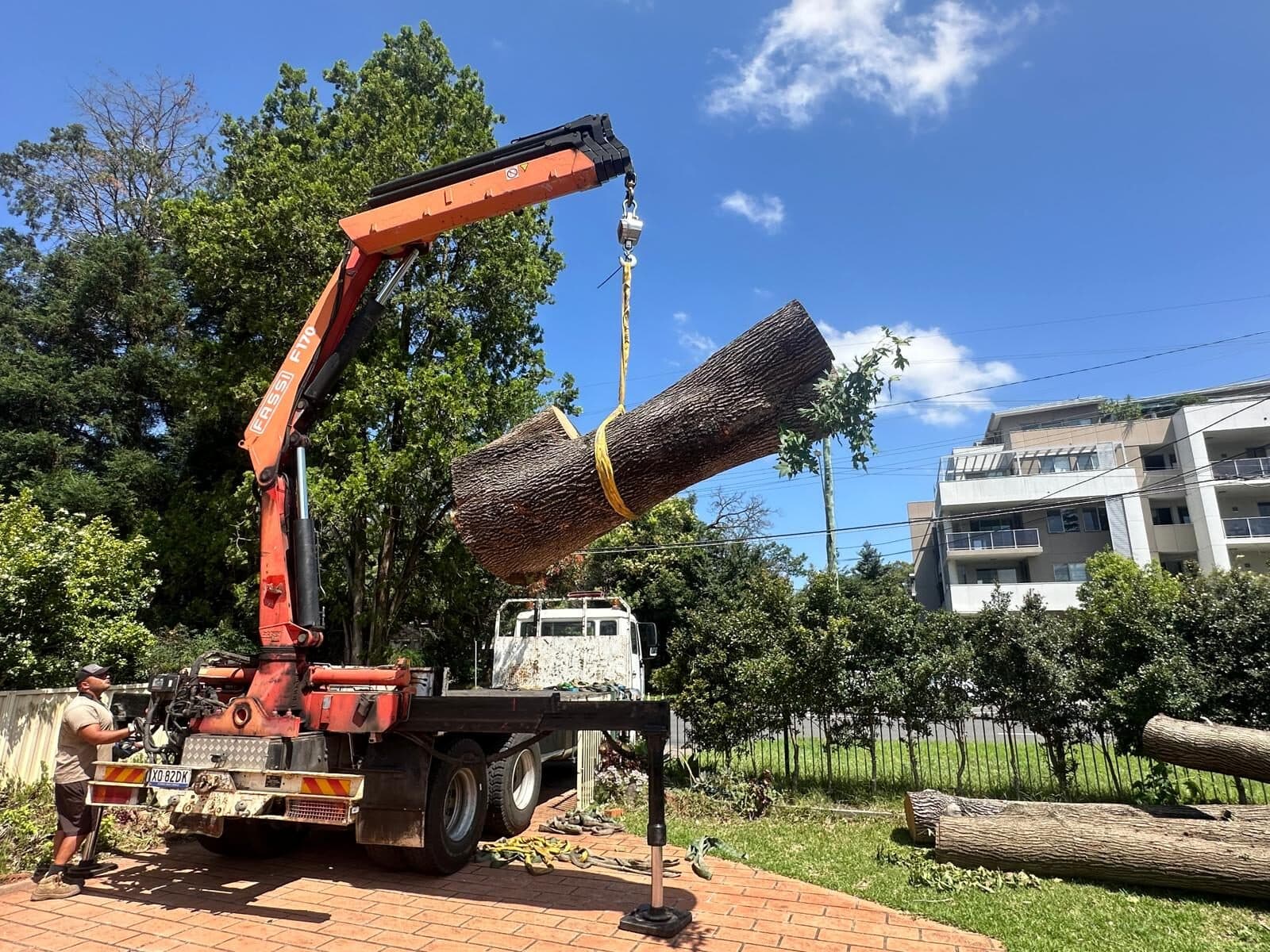
Access is one of the biggest cost factors. A tree in an open front yard is straightforward. A tree in a narrow side passage, behind a pool fence, on a slope, or surrounded by garden beds takes longer to set up and work safely.
When access is tighter, the crew may need to:
- use ropes and rigging more extensively
- lower branches in smaller sections
- protect more surfaces during the job
- spend more time on debris removal
Proximity to structures
A tree growing close to a house, roof, solar panels, power lines, boundary fence, or pool needs more controlled cutting. Every branch near a structure has to be assessed, cut carefully, and lowered rather than dropped. That precision takes more time.
Species and growth habit
Some species respond well to pruning and have predictable wood. Others have brittle branches, heavy limbs, dense canopies, or growth patterns that make the job slower. Native species like large eucalypts often need more care than a well-maintained ornamental.
Maintenance pruning vs structural pruning
Routine maintenance pruning — clearing deadwood, light shaping, canopy tidying — is usually quicker and less involved than structural pruning, which addresses major limb weight, clearance from buildings, or correcting poor growth that has been left for years.
A tree that has been regularly maintained is almost always cheaper to prune than one that has been ignored for a decade.
Waste volume and cleanup
Some quotes include full debris removal, chipping, and a clean site. Others may leave mulch on site or assume lighter cleanup. If you want the site fully cleared, confirm this is included in the quote.
When to prune trees in Sydney
Timing matters for tree health and recovery. Most species respond best to pruning in late winter or early spring when growth is about to resume. However, safety pruning — removing deadwood, storm-damaged limbs, or branches threatening structures — should not wait for the ideal season.
If you want more detail on seasonal timing, read the best time to prune trees in Sydney.
Pruning vs lopping — and how it affects cost
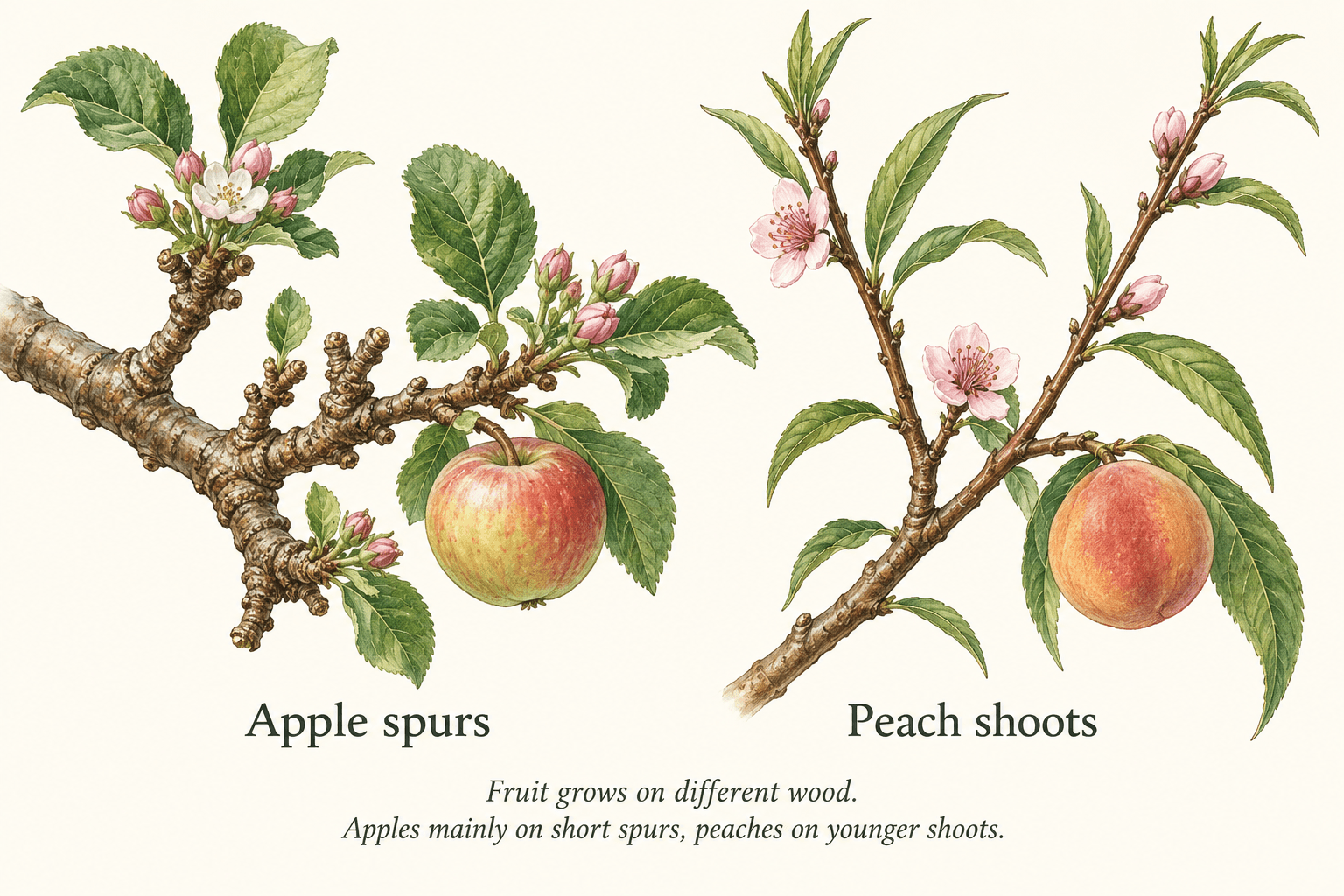
Pruning and lopping are not the same service. Pruning is selective, follows branch structure, and preserves the tree's health. Lopping involves heavier canopy reduction and is used when significant size reduction is the goal.
The right approach depends on what the tree needs and what you are trying to achieve. Choosing the wrong one can mean extra cost later if the tree responds poorly. Read tree lopping vs pruning in Sydney for a clearer breakdown.
Why the cheapest quote is not always the best outcome
A very low pruning quote can sometimes mean the contractor has not fully considered:
- how much climbing and rigging the job actually needs
- the correct pruning approach for the species
- waste removal and site cleanup
- protection of nearby structures
- insurance and qualifications
That does not mean the most expensive quote is automatically the best. It means you should compare scope and approach, not just the bottom line.
What a clear pruning quote should tell you
Before accepting a quote, check whether it explains:
- which parts of the tree will be pruned and why
- what type of pruning is being done (deadwood removal, canopy thinning, reduction, lifting)
- whether debris removal is included
- whether access issues have been allowed for
- whether council considerations are relevant
A quote that is just a number with no description is harder to compare fairly with another contractor.
How to get a more accurate quote faster
The best way to get a useful pruning quote is to share clear photos showing:
- the whole tree from a distance
- the canopy and any areas of concern
- the base and access path
- nearby structures, fences, or power lines
This helps the arborist assess whether the job is a light tidy, a structural prune, or something that may need a different approach entirely.
Frequently asked questions about tree pruning costs
Does council approval affect pruning cost?
In most cases, routine pruning does not require council approval. However, some councils have rules about protected species or trees above certain sizes. If approval is needed, it can add time before the job is booked but does not usually change the pruning cost itself.
Is pruning cheaper than tree removal?
Very often, yes. If the tree is healthy and the issue is clearance, size, or canopy management, pruning is usually the more cost-effective answer. That is why a good arborist starts with the right scope rather than defaulting to the biggest service.
How often should trees be pruned?
Most residential trees in Sydney benefit from pruning every two to five years, depending on species, growth rate, and proximity to structures. Fast-growing species or trees near buildings may need attention more often.
Can pruning fix a tree that has been lopped badly?
Sometimes, but not always. If a tree has been heavily lopped and has responded with dense, weak regrowth, corrective pruning can help restore structure over time. But it depends on the species, the extent of the damage, and whether the tree is still structurally sound.
Get a free quote
If you are comparing Sydney tree pruning quotes, compare the scope and approach as carefully as the price. A clear quote that explains what will be pruned, how the crew will access the tree, and what happens to the waste is easier to trust than a cheaper number with no detail.
Helpful next pages:
Need Help With This Kind Of Tree Work?
Get practical advice on the next step, not just a generic quote
If this article matches the issue you are dealing with, send photos of the tree, access path, and anything nearby. That makes it easier to advise on the safest scope and the right service for the site.
AA Tree Services Sydney
Sydney Arborist Team
Qualified arborists providing tree removal, pruning, lopping, hedge trimming, and stump grinding across Greater Sydney. Every article is written from real site experience to help property owners make better decisions about tree safety, access, pricing, and the right scope of work.