Regulations

Tree Removal Rules in Hills Shire Council

Learn about tree preservation controls in The Hills Shire, when council approval is needed, rural property considerations, and how to apply for tree removal permits.

8 April 20267 min read
Share
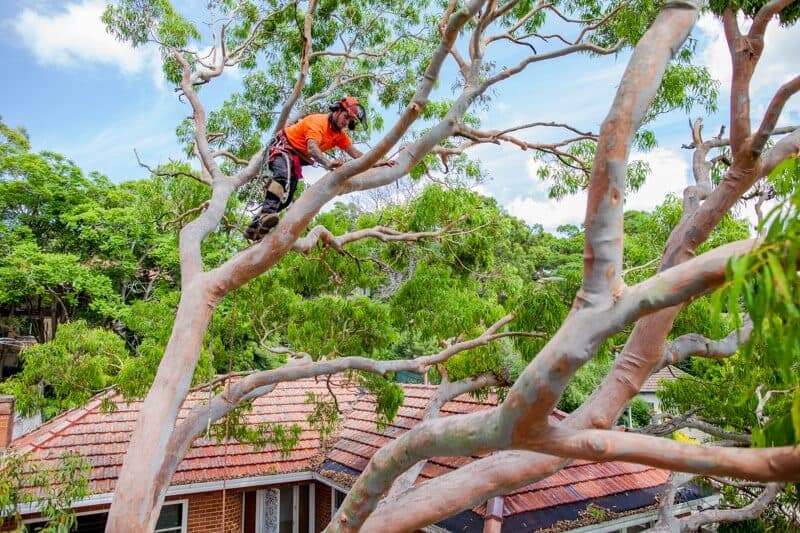
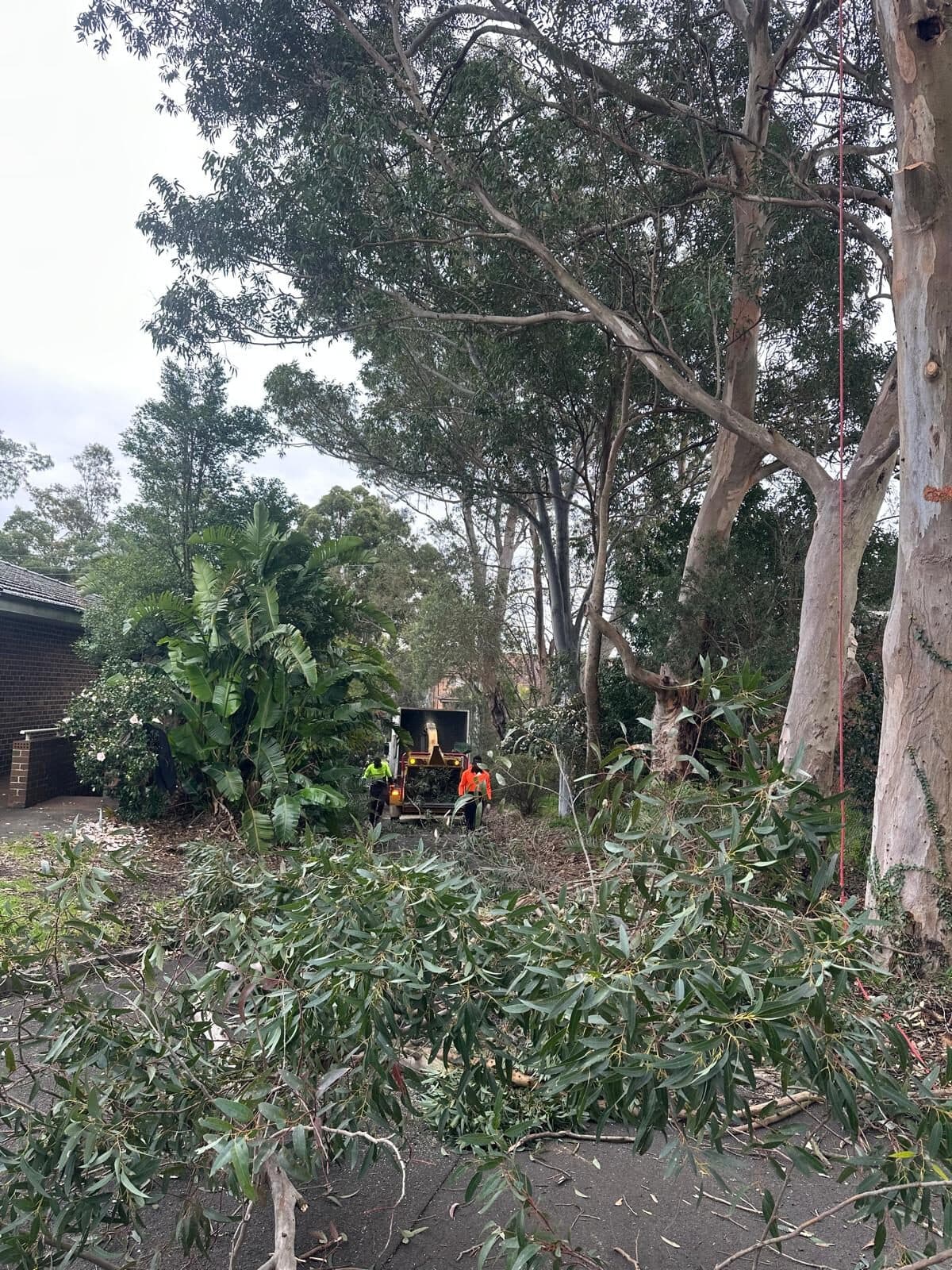
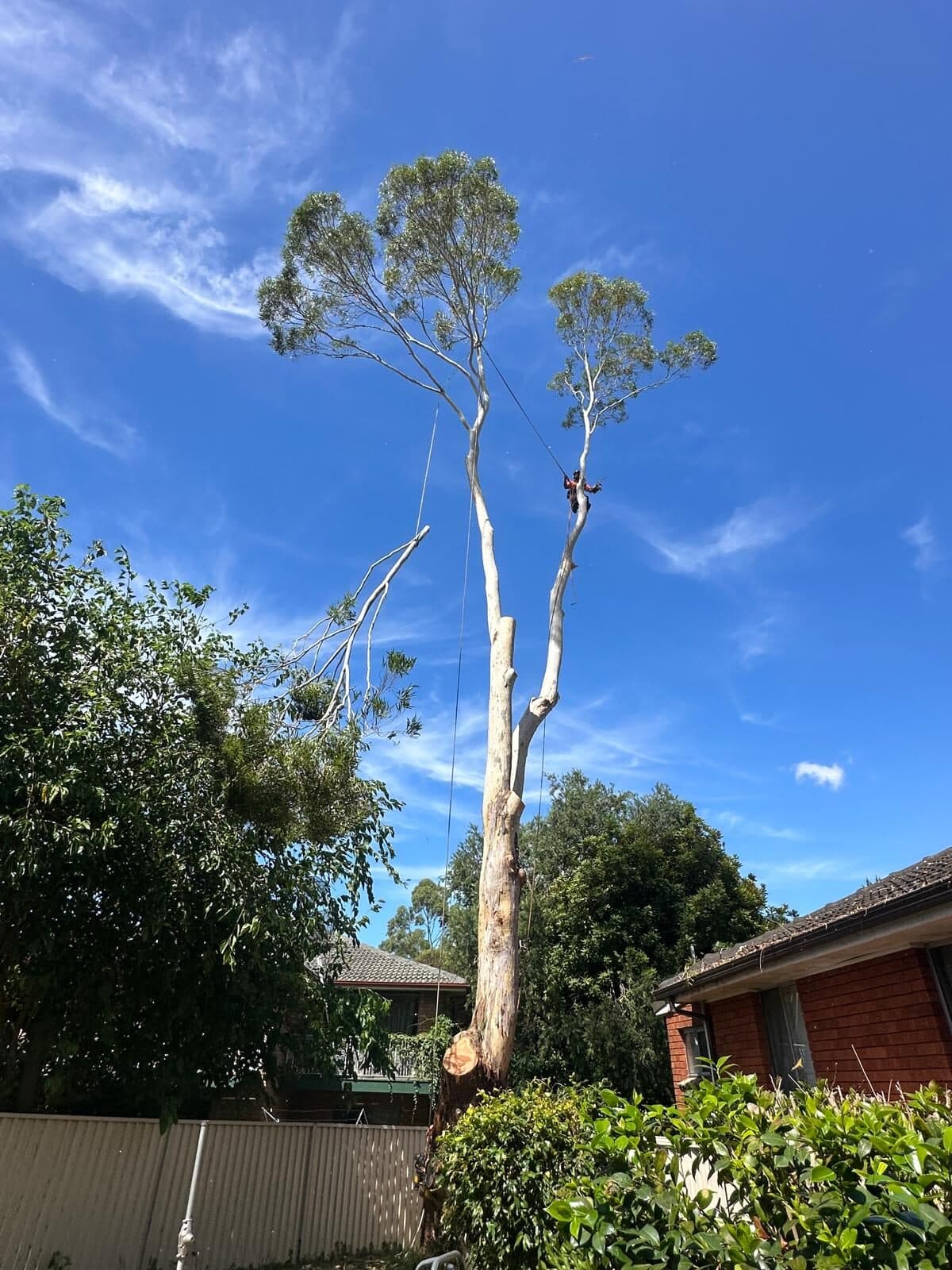
Large tree on a Hills Shire property being assessed before removal

The Hills Shire is one of Sydney's fastest-growing council areas, but that growth has not removed the need to check before removing trees. The Hills Shire Council has tree preservation controls that apply to private property, and understanding them before you book tree work can save you time, money, and compliance headaches.

Important note

Council rules change over time. This guide provides general guidance based on publicly available information, but you should always verify current requirements directly with The Hills Shire Council before scheduling any tree work.

Why The Hills Shire protects trees

The Hills Shire covers a large area of north-west Sydney, including suburbs such as Castle Hill, Baulkham Hills, Kellyville, Rouse Hill, Bella Vista, Dural, Glenhaven, and Kenthurst. The area ranges from established suburban streets to semi-rural properties and new development estates.

Despite the significant amount of new development in the area, the council maintains tree preservation controls to protect established canopy, native vegetation, and the character of older residential areas. The rural and semi-rural parts of the shire often contain substantial native trees that are subject to these controls.

What the tree preservation controls generally cover

The Hills Shire Council's controls typically protect trees above certain size thresholds defined in the council's Development Control Plan. The specific measurements — usually trunk diameter, height, or canopy spread — determine whether a tree is protected.

Key points:

  • both native and exotic trees may be protected if they meet the size criteria
  • trees on private property are included, not just public trees
  • significant pruning may also require approval, not just removal
  • vegetation in environmentally sensitive areas or on rural and semi-rural lots may have additional protections
  • the specific thresholds should be verified against the current planning controls

In the Hills Shire, lot sizes vary enormously — from standard residential blocks in Castle Hill to acreage properties in Dural and Kenthurst. The tree controls apply across this range, though the practical implications differ with property size and tree density.

When you are likely to need approval

Approval is generally required when:

  • the tree meets or exceeds the protected size thresholds
  • the tree is within a mapped environmental area or biodiversity corridor
  • the property is in a heritage conservation area
  • you are proposing removal or major structural pruning
  • the tree is identified as significant in local planning instruments

On larger semi-rural properties in areas like Dural, Glenhaven, or Kenthurst, multiple trees may be affected by the controls. Even on standard residential blocks in newer suburbs, established trees from before the development may still be protected.

Exemptions: when approval may not be required

Certain situations may be exempt from the formal approval process:

  • Dead trees — a genuinely dead tree may be exempt, but documenting its condition before removal is advisable
  • Immediate danger — trees posing an imminent risk to life or property may be addressed as an emergency, with documentation and notification expected
  • Trees below the size threshold — small trees that do not meet the minimum dimensions in the controls
  • Certain exempt species — some councils exclude particular species from protection, which should be confirmed against the current rules

On rural and semi-rural properties where there are many trees, it can be tempting to assume that clearing a few will not be noticed. That assumption carries real risk. The controls apply regardless of how many trees are on the property.

Rural and semi-rural property considerations

The Hills Shire includes a significant number of properties in rural and semi-rural zones, particularly in the northern and western parts of the LGA. These properties often contain substantial native vegetation, including trees that may be protected under both council controls and state environmental planning policies.

Additional considerations for larger properties include:

  • Biodiversity values — trees that provide habitat, form part of wildlife corridors, or sit within mapped biodiversity areas may face stricter controls
  • Bushfire management — properties in bushfire-prone areas may have vegetation management requirements under the NSW Rural Fire Service's provisions, but these do not automatically override council tree controls
  • Land clearing regulations — broader vegetation clearing on rural land may be subject to state-level regulations in addition to council controls

If you own acreage in the Hills Shire, it is worth understanding the full regulatory picture before planning any significant tree work.

How to apply for tree removal approval

The general application process involves:

  1. Check the controls — confirm whether the tree meets the protected size threshold and whether any exemptions or additional overlays apply
  2. Gather documentation — clear photographs of the tree, its condition, its location on the property, and the reason for the proposed removal
  3. Submit an application — The Hills Shire Council has a formal process for tree removal permit applications
  4. Provide supporting evidence — an arborist report is recommended for applications involving healthy or significant trees
  5. Wait for a decision — the council assesses the application and may approve, approve with conditions, or refuse

Timeframes

Processing times vary depending on the complexity of the application and the council's workload. Simple applications for clearly dead or dangerous trees may be resolved within a few weeks. Applications involving healthy trees, environmental considerations, or larger clearing proposals typically take longer.

Plan ahead and allow adequate time, particularly if the tree work is connected to a development, renovation, or construction schedule.

Replacement planting

The Hills Shire Council may require replacement planting as a condition of approval. This is part of the council's strategy to maintain and grow canopy cover across the area, particularly as new development continues.

Conditions may include:

  • the number of replacement trees required
  • preferred species, often favouring locally native plants
  • minimum size at planting
  • planting locations on the property

On larger properties, replacement planting conditions may be more extensive, reflecting the scale of the trees being removed.

Penalties for unauthorised removal

Removing a protected tree without approval can result in fines and remediation orders. The penalties are set by legislation and council policy and can be substantial.

On larger rural properties, the temptation to remove trees without going through the process can be stronger, but the risk of detection — through aerial imagery, neighbour reports, or council inspections — is real. The consequences of unauthorised removal are the same regardless of property size.

New development estates

In newer parts of the Hills Shire — Kellyville, Rouse Hill, The Ponds, Box Hill — many properties were developed from cleared land and may have relatively young trees. Some of these trees may not yet meet the protected size threshold.

However, if established trees were retained during the development as part of the subdivision approval, those trees may have specific protection conditions attached to them. Removing a tree that was required to be retained as a condition of development consent is a separate compliance issue.

If you are unsure whether trees on your property in a newer estate have specific protection conditions, check with the council or review the original development consent.

How an arborist can help

A qualified arborist can assist by:

  • Assessing the tree — determining its health, structural condition, and whether it meets exemption criteria
  • Preparing an arborist report — providing the professional evidence the council needs to assess the application
  • Recommending alternatives — pruning, canopy management, or ongoing monitoring may achieve the property owner's goals without full removal
  • Navigating complexity — particularly on larger properties where multiple trees, environmental overlays, or bushfire considerations are involved

On semi-rural properties with significant vegetation, an arborist's input is often essential for understanding what can and cannot be done within the rules.

Frequently asked questions

Can I remove trees on my acreage property without approval?

Not necessarily. The size of your property does not determine whether trees are protected. If the trees meet the council's size thresholds or are subject to environmental controls, approval is required regardless of lot size.

What about trees in new estates — are they protected?

Young trees that have not yet reached the protected size threshold may not require approval for removal. However, trees retained as a condition of the original subdivision approval may have specific protections. Check with the council.

Does bushfire clearing override the tree preservation order?

Bushfire vegetation management provisions apply in designated bushfire-prone areas, but they do not automatically override all council tree controls. The interaction between the two frameworks depends on the specific provisions and the property's circumstances.

How long does the approval process take?

It varies depending on the application's complexity. Allow at least several weeks for standard applications, and longer for cases involving environmental considerations or larger clearing proposals.

Practical next step

If you have trees on your Hills Shire property that you are considering removing, the best approach is to get advice before making assumptions about what is permitted. Send us photos and a brief description of the situation, and we can help you understand whether council approval is needed and what the process involves.

Helpful next pages:

Need Help With This Kind Of Tree Work?

Get practical advice on the next step, not just a generic quote

If this article matches the issue you are dealing with, send photos of the tree, access path, and anything nearby. That makes it easier to advise on the safest scope and the right service for the site.

Share
AA Tree Services Sydney

AA Tree Services Sydney

Sydney Arborist Team

Qualified arborists providing tree removal, pruning, lopping, hedge trimming, and stump grinding across Greater Sydney. Every article is written from real site experience to help property owners make better decisions about tree safety, access, pricing, and the right scope of work.

Call 0497 777 735