Quick answer: in Ku-ring-gai, any tree 5 metres or taller, or with a trunk diameter of 150mm or more at ground level, needs a Tree Application before you prune or remove it, unless an exemption applies. The main exemptions are trees within 3 metres of your house, branches directly over a roof, minor pruning, deadwood and listed weed species. Dead, dying or dangerous trees can be removed only after Council confirms in writing that it is satisfied. Heritage properties follow stricter rules.
Ku-ring-gai Council covers the upper North Shore, including Roseville, Lindfield, Killara, Gordon, Pymble, West Pymble, Turramurra, Warrawee and St Ives. Part of Wahroonga falls under Hornsby Shire, so check the council for the street address if you are near a boundary.
Which trees are protected?
Council's Tree and Vegetation Preservation controls (opens in new tab) are in Part 13 of the Ku-ring-gai Development Control Plan. They apply to any tree, native or exotic, that is:
- 5 metres or more in height, or
- has a trunk diameter of 150mm or more measured at ground level.
All pruning or removal of these trees needs a Tree Application unless the work is exempt. Size is not the only test. Trees on heritage items or in heritage conservation areas, trees in threatened ecological communities and threatened species have extra protection.
Council's trees on your property mapping tool lets you search an address to see which application process applies and which properties have recent approvals. It shows only permits from the past 12 months and does not show development approvals, complying development, 10/50 clearing or DCP exemptions, so the absence of a marker is not permission to start work.
What you can do without approval
Part 13.2 of the DCP lists exempt work. These exemptions do not apply on heritage items or in heritage conservation areas. They also do not apply to clearing threatened ecological communities or native vegetation on the NSW Biodiversity Values Map.
- Trees within 3 metres of your house: trees within 3 metres of an existing dwelling on the same property, measured from the centre of the trunk at ground level to the external wall. This does not extend to verandahs, carports, detached garages, outbuildings, or cantilevered or pier-supported decks and balconies. If the trunk is on a neighbour's land, the tree's owner must agree first.
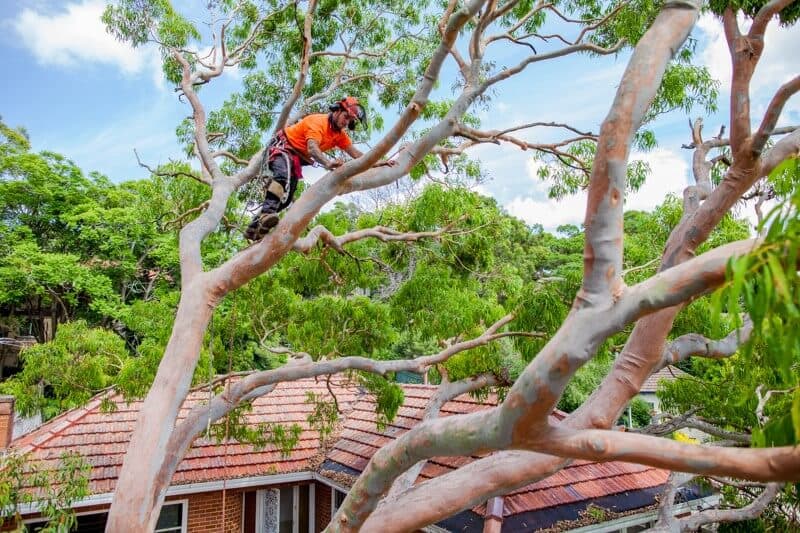
- Branches over a roof: branches directly over the roof of a house or commercial building may be cut back to the nearest branch junction. This does not cover garages, carports or outbuildings, and it is not an exemption for one-sided or heavy pruning that harms the tree.
- Branches near electrical service lines: branches within 0.5 metres of the service line to your property. This covers branches only, not trunks.
- Minor pruning: branches and roots not more than 50mm in diameter.
- Deadwood: completely dead branches.
- Exempt species: NSW priority weeds and the species in Council's table, including Queensland silver wattle, golden wreath wattle, box elder, tree of heaven, evergreen alder, cocos palm, nettle trees, cotoneaster, loquat, coral trees, rubber tree, African olive, crested wattle, Lombardy poplar, firethorn, black locust, umbrella tree, broad-leaf pepper tree, rhus and privet. Liquidambar is exempt only if it is under 12 metres tall. The species table does not apply on heritage properties.
All pruning should follow the Australian pruning standard.
Dead, dying and dangerous trees
Dead trees are not automatically exempt in Ku-ring-gai. You can remove a completely dead or dying tree only after Council has told you in writing that it is satisfied the tree is dead or dying and is not needed as habitat for native animals. Contact Council with the address, an explanation and photographs taken from a safe position.
A structurally unsound or unstable tree is treated the same way: Council must confirm in writing that it poses an imminent risk to people or property. For significant trees, Council may ask for an arborist's report and testing. Council's tree FAQs (opens in new tab) advise getting a consulting arborist's assessment and then Council approval before emergency work.
If someone is in immediate danger, call 000. For storm damage, contact the NSW SES on 132 500.
Heritage properties
Under clause 5.10 of the Ku-ring-gai Local Environmental Plan, work on a tree that is or forms part of a heritage item, or is in a heritage conservation area, generally needs development consent. Council may instead give written consent for minor maintenance work that will not affect heritage significance. Examples include branches directly over a roof, pruning branches and roots of 50mm or less, deadwood, and dead or dying trees.
You can check heritage status with Council's online mapping before planning any work.
How to apply
Lodge a Tree Application through Council's online submission system. The tree application instruction manual (opens in new tab) lists four mandatory documents, each with its own Council form:
- the reasons for pruning or removal
- a property site map showing each tree
- photographs of the trees and the issue
- the owner's consent.
Only the owner of the land where the trunk stands, or their authorised agent, can apply. Describe each tree consistently across the map, photos and form. For pruning, say which branches or how much clearance you need.
Fees for 2026–27: $88 to remove one tree or hedge ($42 for eligible pensioners), $44 to prune one tree or hedge ($20 for pensioners), plus $13 for each additional tree or hedge. Council emails an invoice after you submit, and assessment starts once it is paid. Fees are not refunded if permission is refused.
Timing: Council's FAQs say applications take about six to eight weeks from written acknowledgement. Approved permits are valid for 12 months.
Some situations need a different pathway. A permit cannot be granted to clear native vegetation on the Biodiversity Values Map unless the tree is assessed as a risk, or for vegetation that is part of an Aboriginal object or place. Those need a development application or Native Vegetation Panel approval. A Tree Application is also not the right process for tree work linked to a development application, complying development, driveway construction or other property development. Council directs those enquiries to its Duty Planner, and complying development questions to the private certifier.
When an arborist report is needed
A report is not required for every application, only when your request needs supporting evidence. Typical examples are a claim that a healthy-looking tree is unsafe, or root damage to a building. Plumbers' or structural engineers' reports can also be submitted.
Any arborist report must follow Council's Guidelines for Preparation of Arborist Reports (opens in new tab). Council requires the consulting arborist to hold at least AQF Level 5 in arboriculture and to disclose any financial interest in the work. Council treats AQF Level 3 graduates as tree workers, not consulting arborists. Give the consulting arborist the guidelines before you engage them.
Refusals and replacement planting
Council cannot review a refused tree application. You can ask the NSW Land and Environment Court to review it within three months of the refusal. Where removal is approved, Council can require replacement planting from its replacement species list.
Bushland and biodiversity
Ku-ring-gai has mapped threatened ecological communities and bushland, and the DCP exemptions do not apply to clearing them. Council's website has the mapping. Under the State Environmental Planning Policy (Biodiversity and Conservation) 2021, clearing native vegetation above the biodiversity offsets scheme threshold needs Native Vegetation Panel approval, not a council permit. Check Council's vegetation mapping and the Biodiversity Values Map before planning work near bushland.
Why Ku-ring-gai protects its trees
Council's Urban Forest Policy and Tree Assessment Guidelines require tree decisions to focus on retaining and protecting trees unless there is strong justification for removal. Read the assessment guidelines before lodging, as they list reasons Council does not accept as justification.
How AA can help
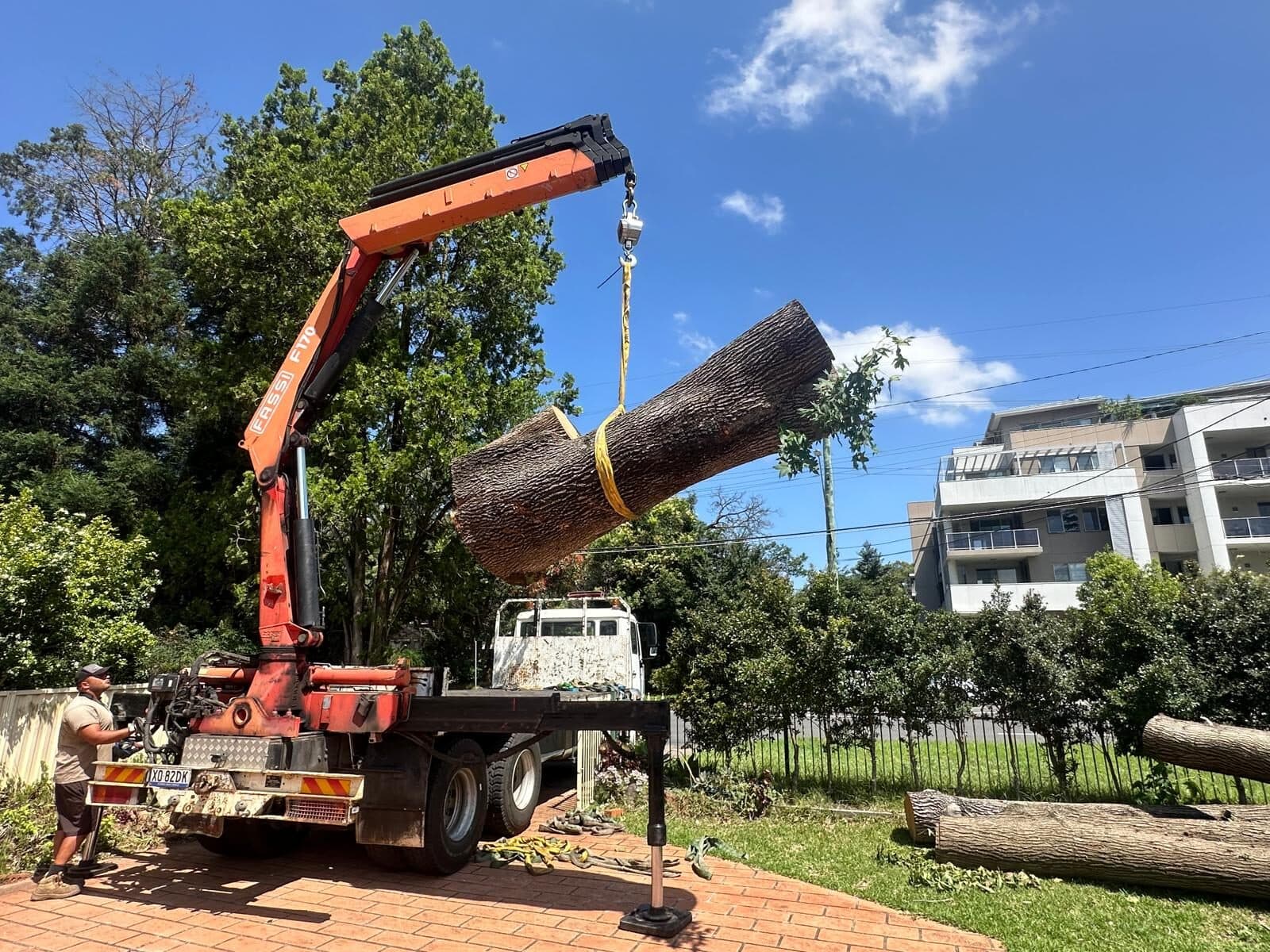
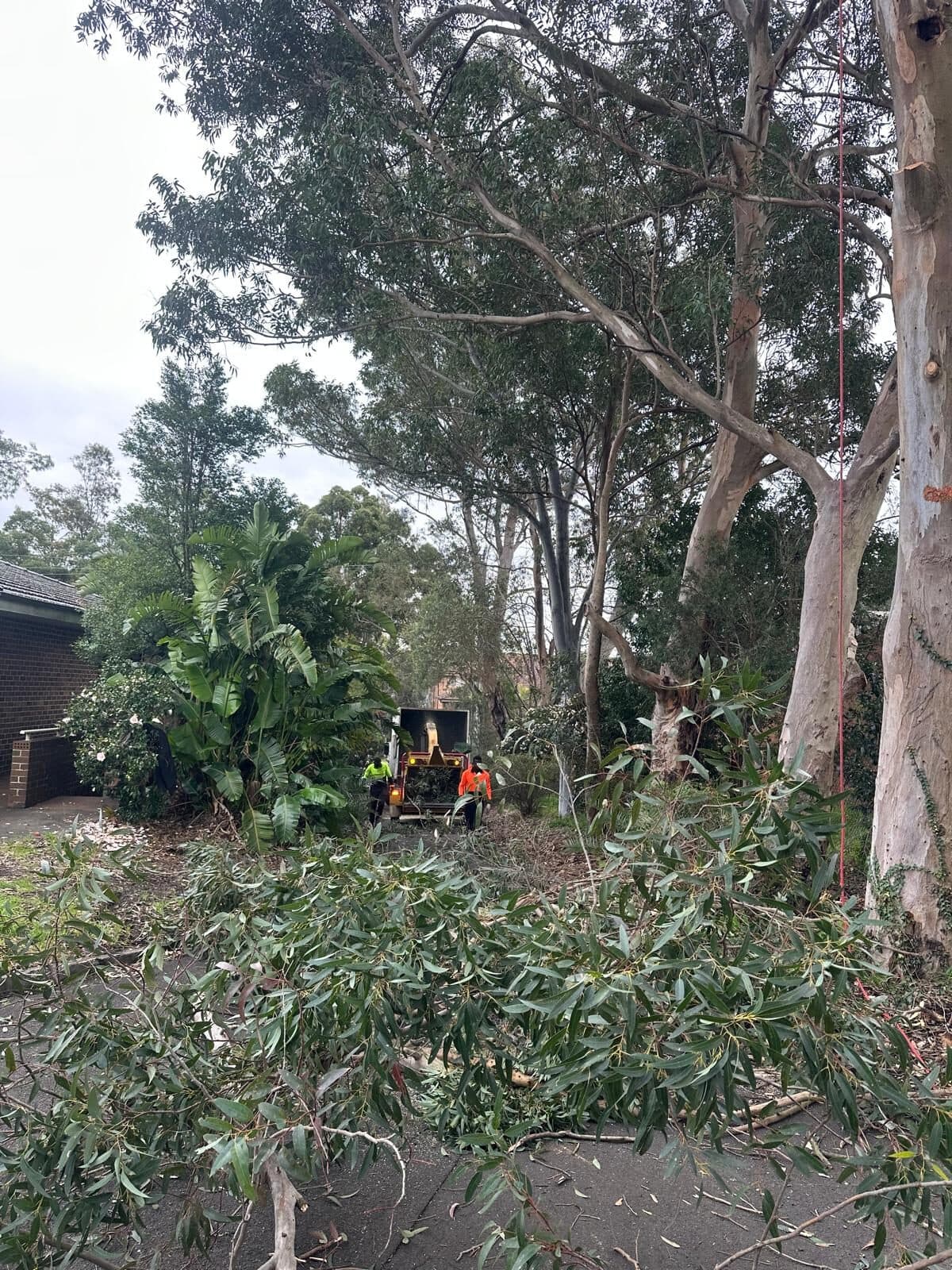
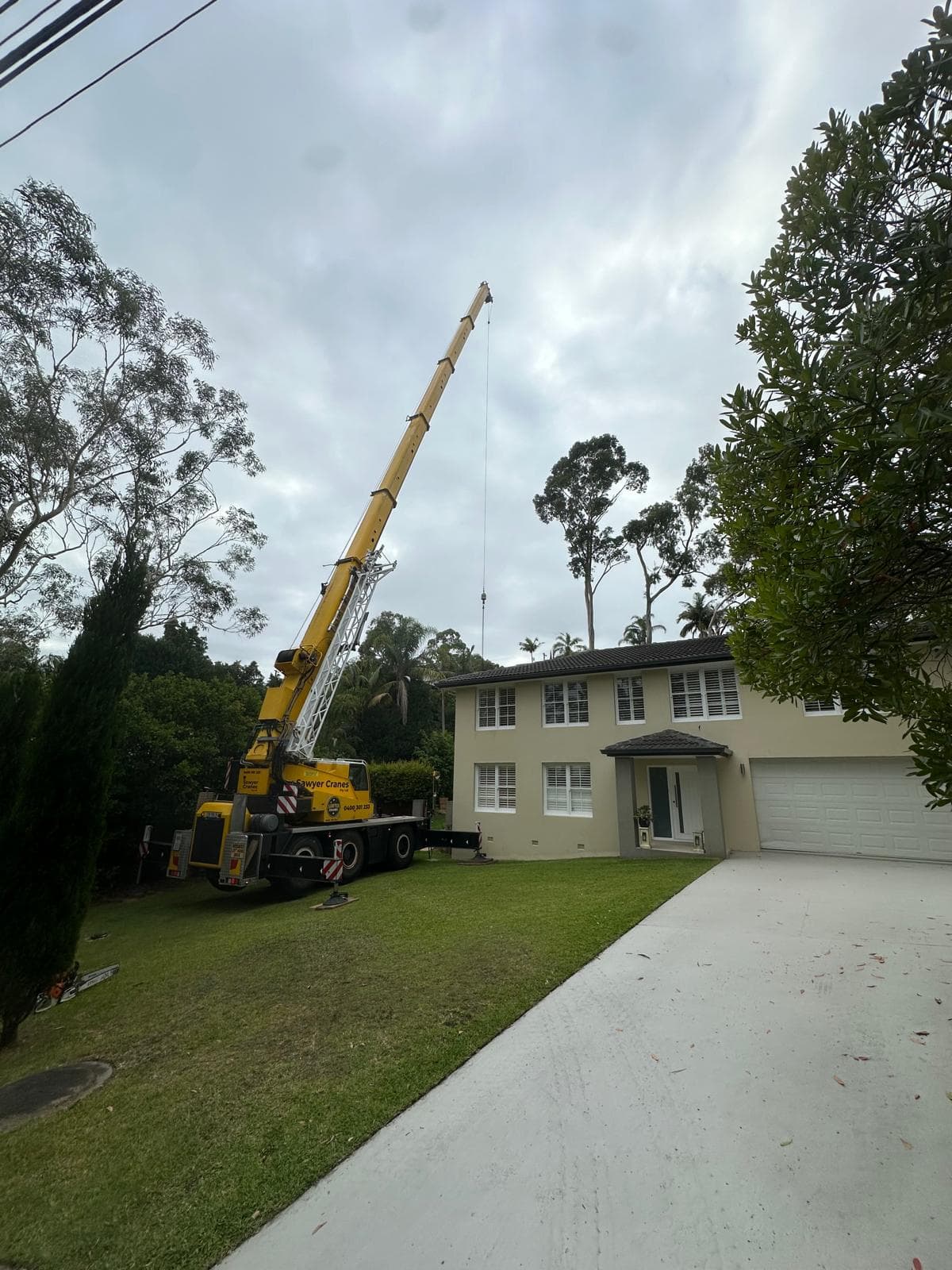
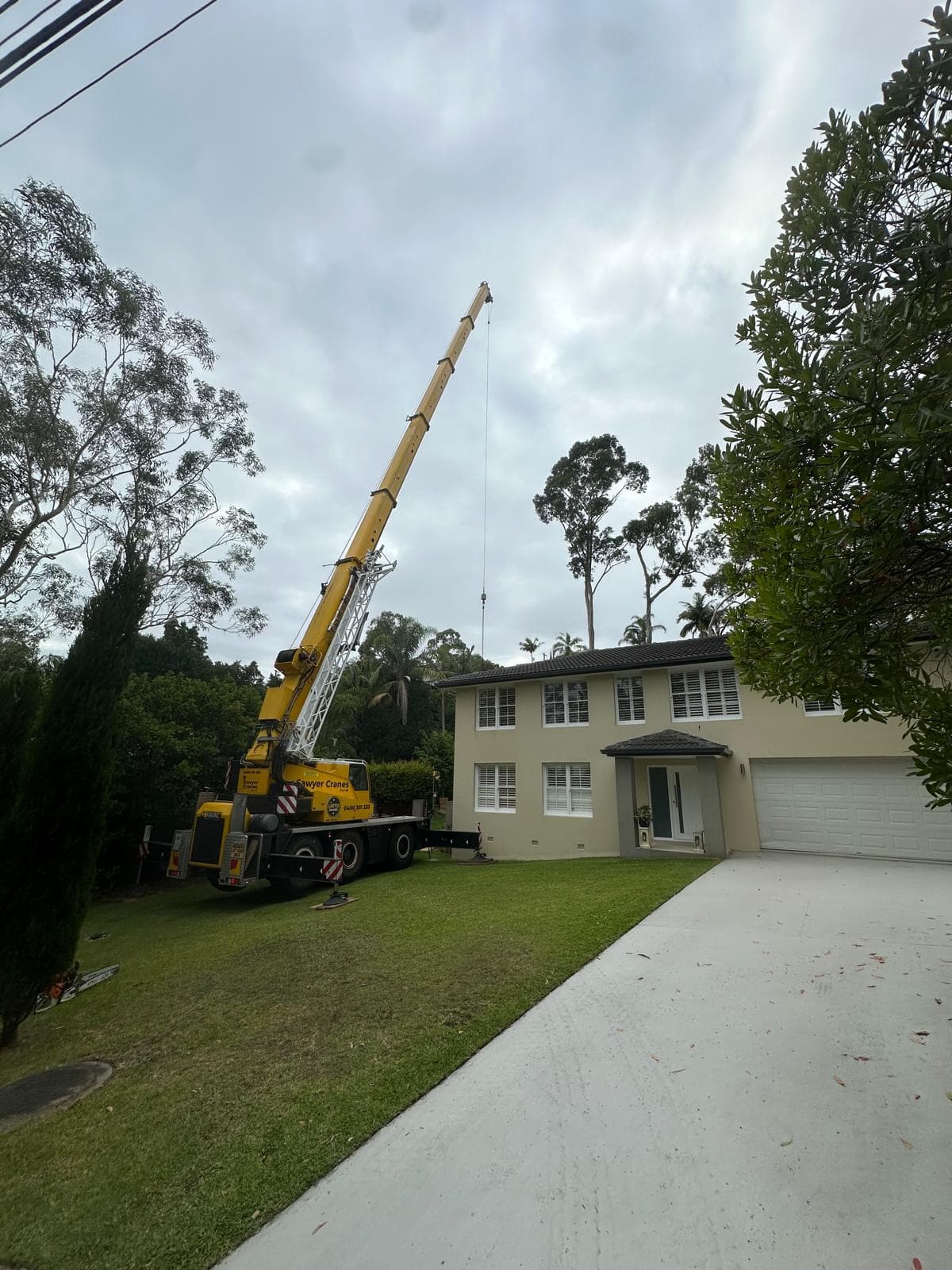
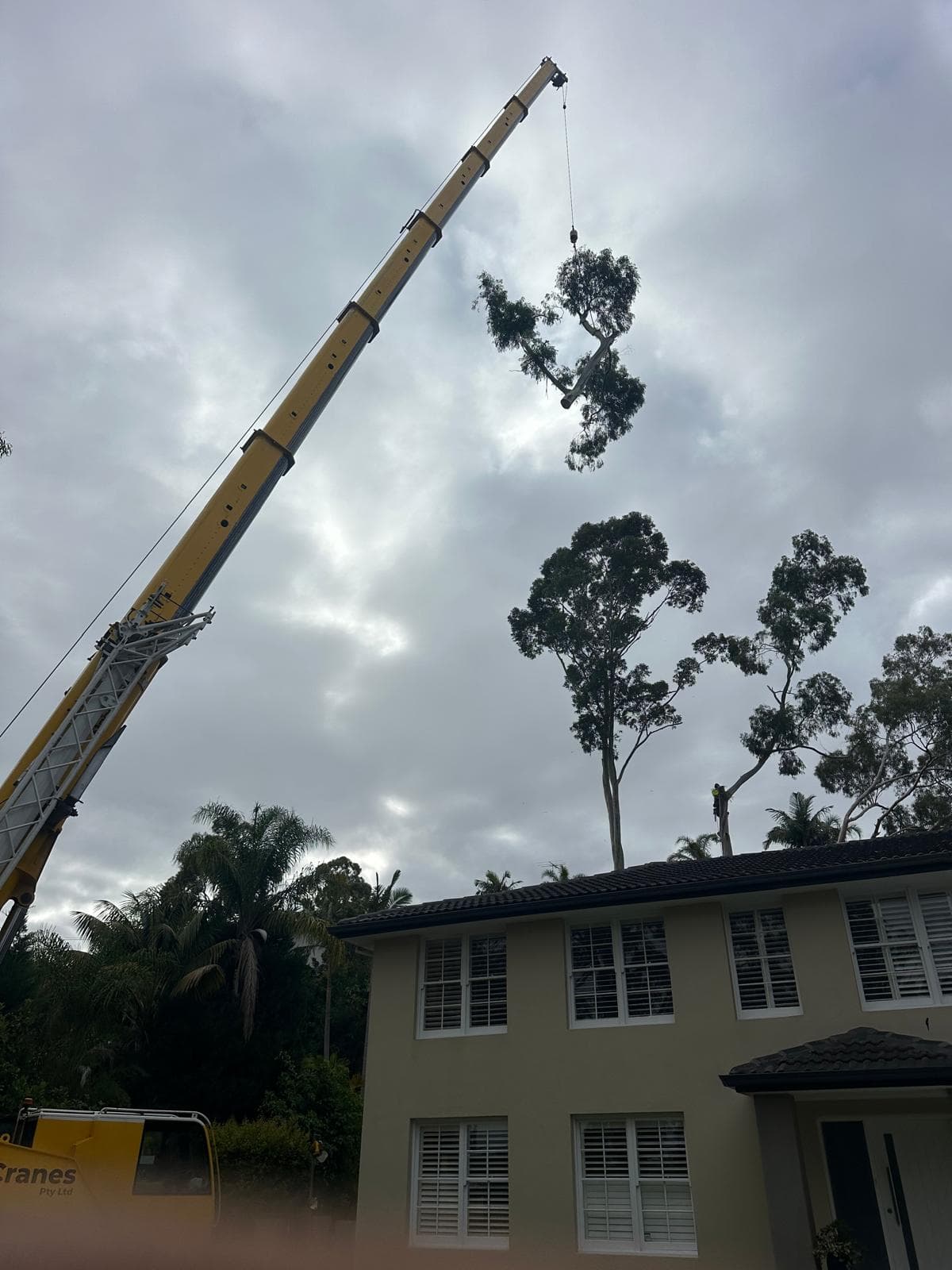
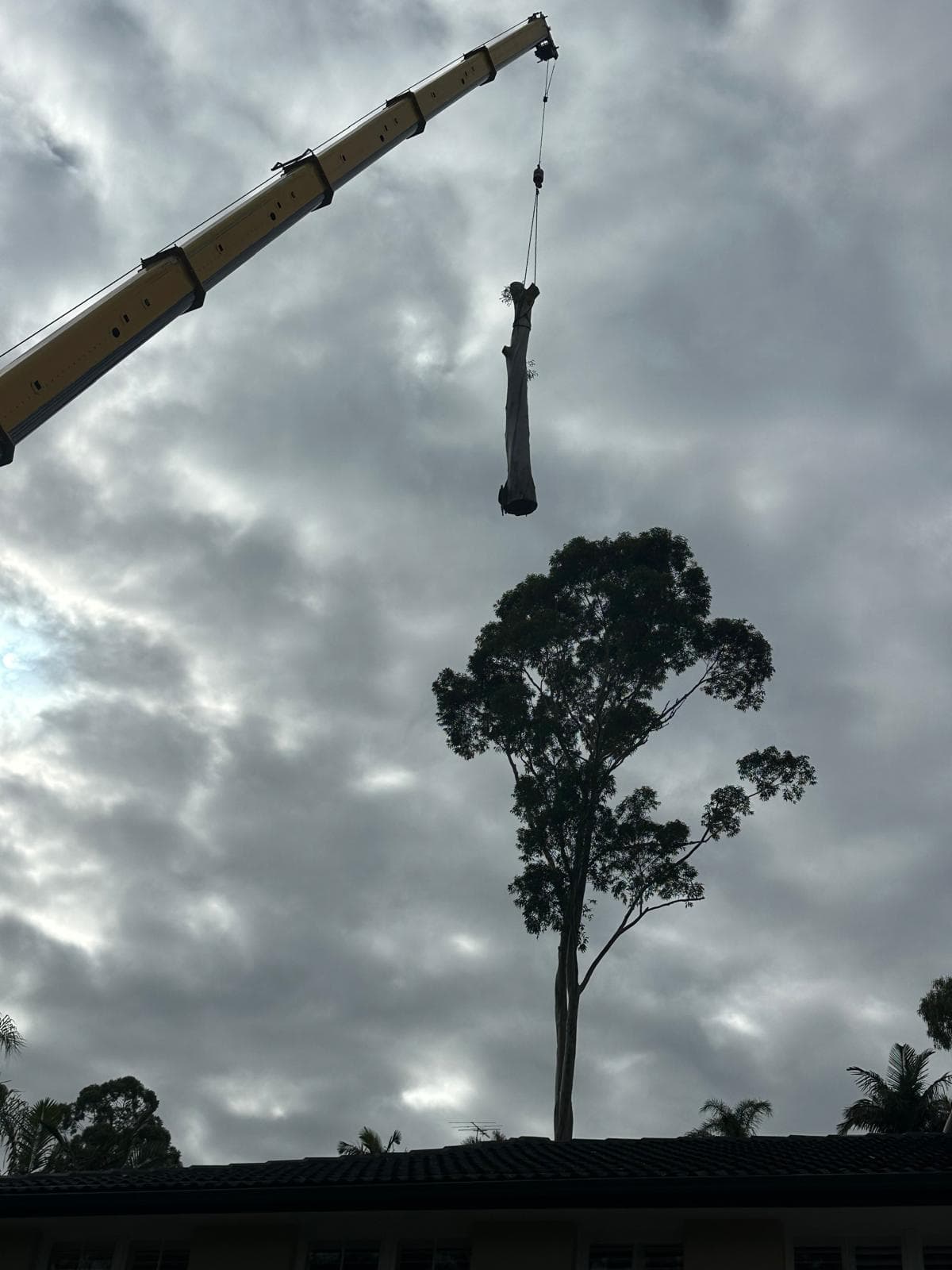
A roof-clearance problem can often be solved with targeted tree pruning, sometimes within the exemptions. Where removal is justified and approved, tree removal and stump grinding are planned around the permit conditions and the site.
We work across the North Shore, including Ku-ring-gai. Our team includes an AQF Level 3-qualified arborist. We can look at the tree, explain your options and carry out the work once Council's permission is in place, within its conditions. We do not write consulting arborist reports, so if Council needs one, engage an independent consulting arborist. For other councils, see the Sydney council approval guide.
Rules checked against Ku-ring-gai Council information in October 2026. Confirm current requirements with Council before work.
Common questions
Originally published .

AA Tree Services Sydney
Tree services in Sydney
Our team includes an AQF Level 3-qualified arborist with more than 15 years of tree-work experience. We provide tree removal, pruning, lopping, tall hedge trimming and stump grinding for homes, strata and commercial properties across Sydney, and write these guides from that work.
About AA Tree Services