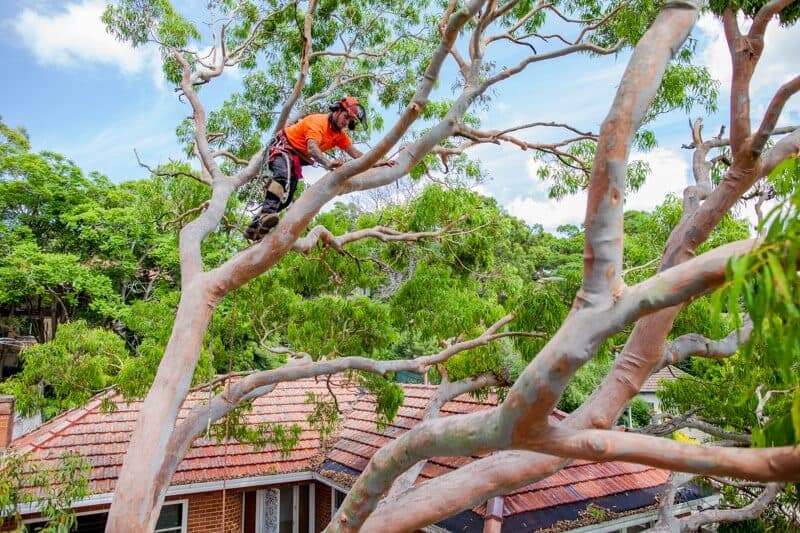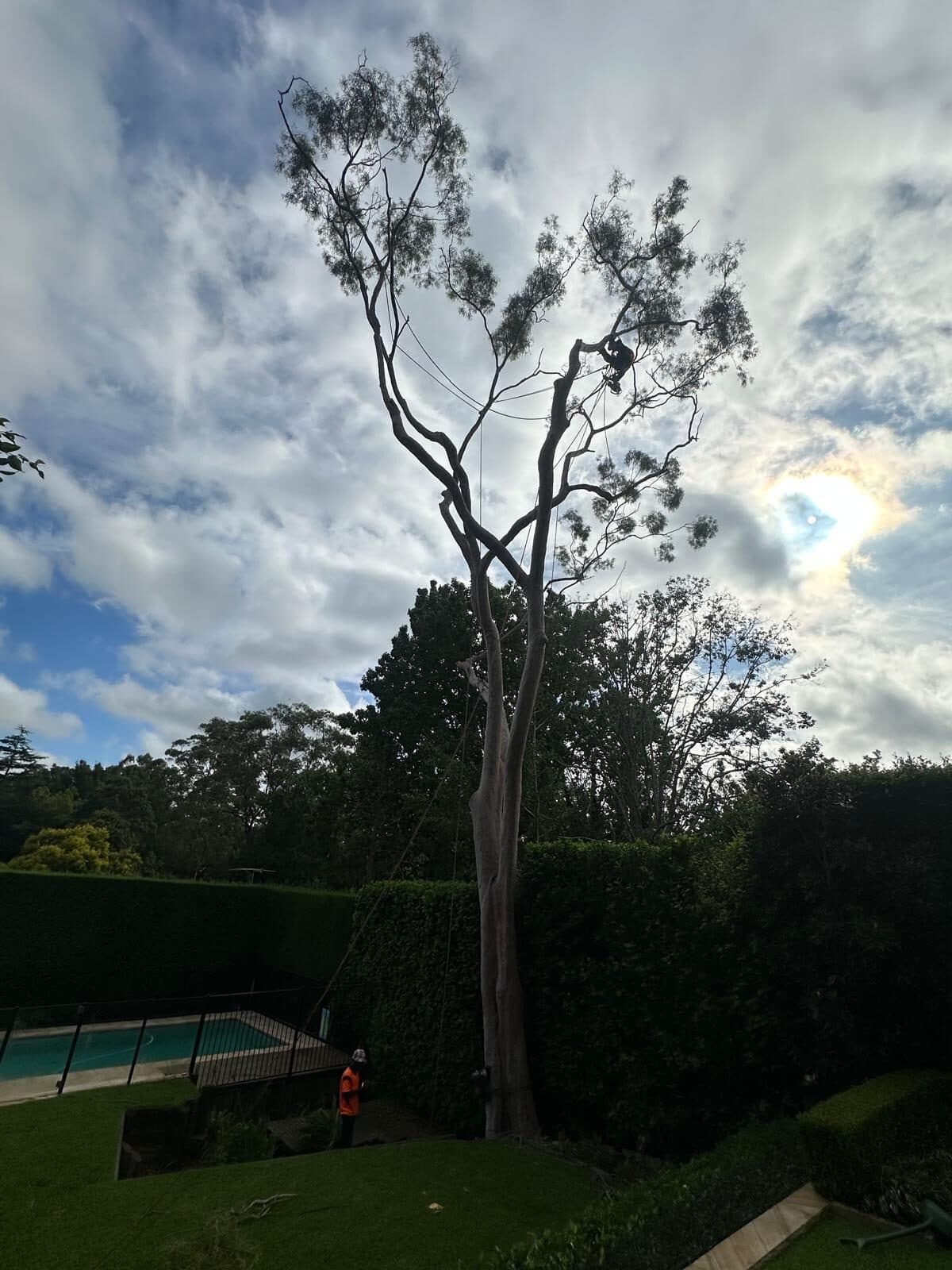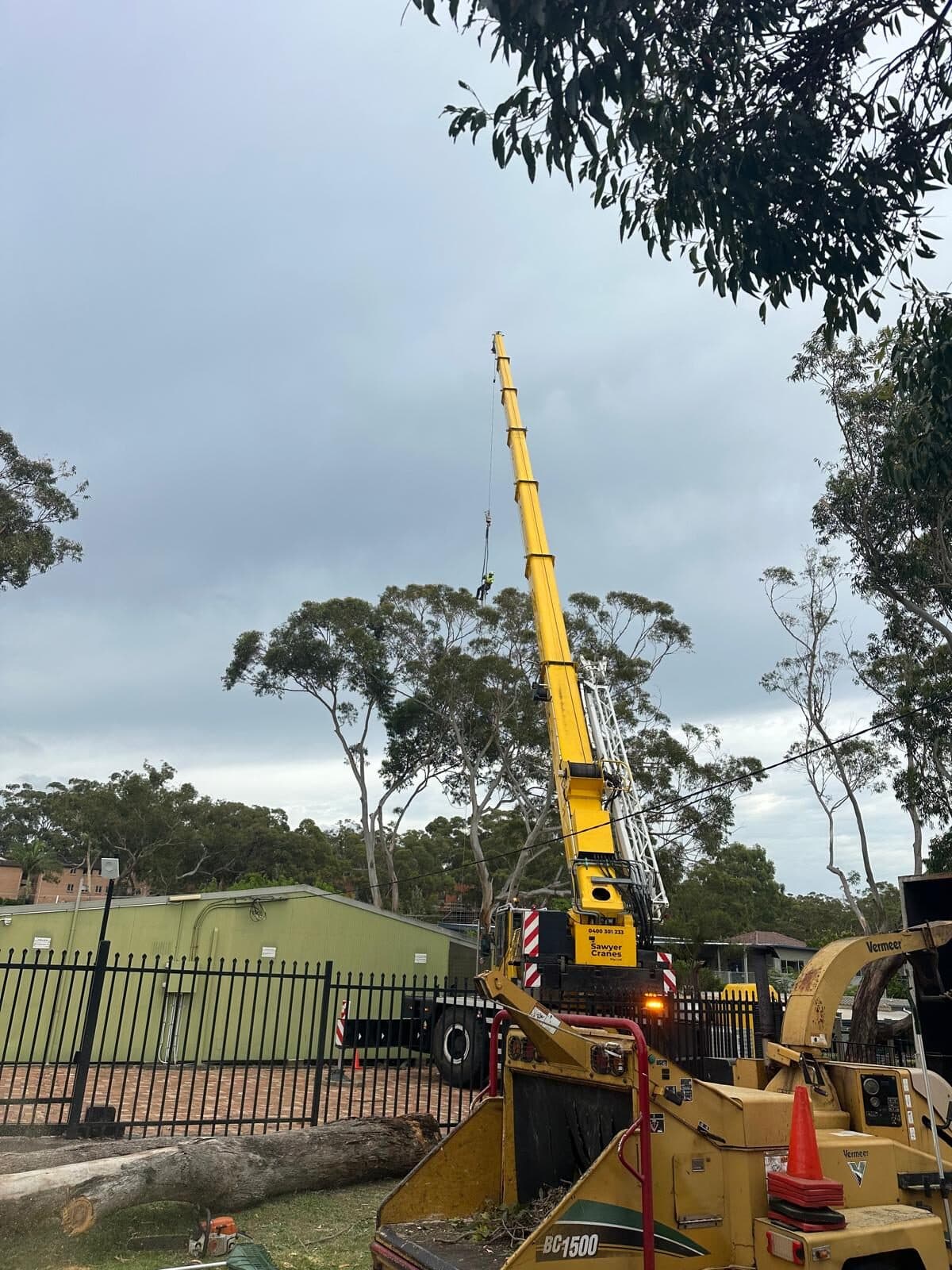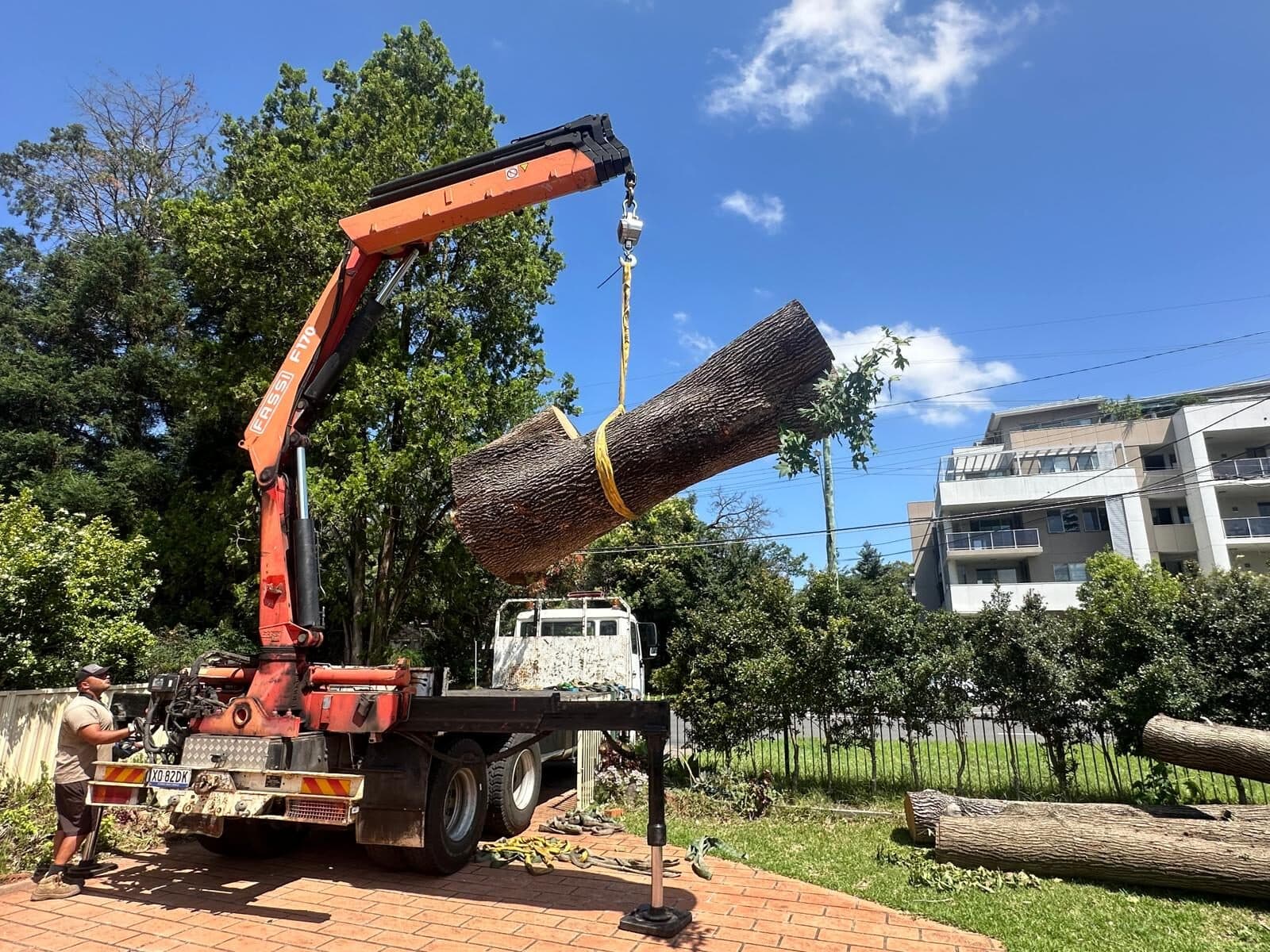
The Inner West is one of Sydney's most densely built council areas, but that does not mean tree removal is unregulated. Inner West Council has tree preservation controls that apply to private property, and removing a protected tree without approval can lead to penalties.
Council rules change over time. This guide provides general guidance based on publicly available information, but you should always verify current requirements directly with Inner West Council before scheduling any tree work.
Why the Inner West protects trees
The Inner West local government area covers suburbs such as Marrickville, Ashfield, Leichhardt, Balmain, Dulwich Hill, Stanmore, Petersham, Haberfield, and Summer Hill. Despite being an urban area with smaller lot sizes, the council places significant value on its tree canopy.
Trees in the Inner West provide shade, reduce urban heat, support biodiversity, and contribute to the character of streets and neighbourhoods. The council's tree preservation controls are designed to prevent unnecessary loss of established trees as the area continues to develop and densify.
What the tree preservation controls generally cover
Inner West Council's controls typically protect trees that meet certain size thresholds. These thresholds are usually defined by measurements such as trunk diameter, height, or canopy spread, and are set out in the council's Development Control Plan.
Key points:
- both native and exotic trees may be protected if they meet the size criteria
- trees on private property are included in the controls
- the rules can apply to significant pruning as well as removal
- vegetation in heritage conservation areas may have additional protections
- the specific thresholds should be confirmed against the current planning controls, as they can be updated
The Inner West has a mix of older established trees and newer plantings. Even a tree that does not look particularly large may meet the protected threshold depending on its trunk diameter.
When you are likely to need approval
You should expect to need approval when:
- the tree meets or exceeds the size thresholds in the council's controls
- the property is within a heritage conservation area
- the tree is identified as significant or contributory in local planning instruments
- you are proposing removal or major structural pruning
- the work goes beyond routine light maintenance
In a densely built area like the Inner West, trees are often close to buildings, boundaries, and neighbouring properties. That proximity can create genuine problems, but it does not automatically mean removal will be approved without a process.
Exemptions: when approval may not be required
Certain situations may be exempt from the approval requirement, though these should always be confirmed:
- Dead trees — a tree that is genuinely dead may be exempt, but you should be prepared to provide evidence such as photographs showing the tree's condition before removal
- Immediate danger — a tree that poses an imminent risk to life or property may be dealt with as an emergency, though notification and documentation are usually expected
- Trees below the size threshold — small trees that do not meet the minimum dimensions specified in the controls
- Certain exempt species — some councils exclude specific species from protection, but this varies and must be checked against the current rules
Even where an exemption applies, keeping a photographic record before carrying out the work is strongly recommended. This is your evidence if questions arise later.
Heritage conservation areas in the Inner West
The Inner West contains numerous heritage conservation areas, particularly in suburbs like Haberfield, Annandale, Stanmore, and parts of Leichhardt and Balmain. Trees within these areas may be subject to additional controls.
In heritage contexts, the council may consider not just the tree itself but its contribution to the heritage character of the property or streetscape. Removal of a tree that is part of an original garden setting or contributes to the visual character of a heritage area may face a higher bar for approval.
If your property is in a heritage conservation area, check the specific provisions that apply before assuming standard exemptions will cover your situation.
How to apply for tree removal approval
The typical process involves:
- Check the controls — confirm whether the tree meets the protected size threshold and whether any exemptions apply
- Document the tree — take clear photographs of the whole tree, any damage or defects, and its position relative to buildings and boundaries
- Submit an application — Inner West Council provides a process for tree removal permit applications, typically available online
- Provide supporting evidence — for trees that appear healthy or significant, an arborist report assessing the tree's condition and the reason for removal strengthens the application
- Wait for a decision — the council assesses the application against its planning controls and may approve, approve with conditions, or refuse
Timeframes
Processing times depend on the complexity of the application and the council's workload. Straightforward applications for clearly dead or dangerous trees may be resolved relatively quickly. Applications involving healthy trees, heritage considerations, or neighbour concerns typically take longer.
Allow several weeks at minimum and start the process early if the tree work is tied to renovation or construction timelines.
Replacement planting
Inner West Council may impose replacement planting conditions when approving tree removal. Given the urban density of the area and the council's canopy targets, replacement planting is a common condition.
Requirements may include:
- a specified number of replacement trees
- minimum pot size or maturity at planting
- preferred species, often favouring native or climate-appropriate trees
- specific planting locations on the property
On smaller Inner West blocks, finding space for replacement trees can be a practical challenge, but it remains a condition that needs to be addressed.
Penalties for unauthorised removal
Removing a protected tree without approval is a breach of the planning controls. Penalties can include fines and orders for remediation planting. The amounts are set by legislation and council policy and can be substantial.
In a densely populated area like the Inner West, unauthorised tree removal is also more likely to be noticed and reported by neighbours. The risk of being caught is higher than many property owners expect.
Common Inner West tree situations
The urban character of the Inner West creates some recurring tree issues:
- Trees close to buildings — root intrusion into foundations, drains, or retaining walls is a common concern on small lots
- Boundary trees — trees on or near property boundaries can create disputes about ownership, responsibility, and access for work
- Strata properties — tree removal on strata-titled properties requires body corporate approval in addition to any council requirements
- Renovation and development — trees that conflict with proposed building work may need to be addressed through the development application process rather than a standalone tree removal permit
Each of these situations has its own process, and the council approach may differ depending on the specifics.
How an arborist can help
A qualified arborist can assist with:
- Assessment — determining the tree's health, structural condition, and whether it meets exemption criteria
- Arborist reports — providing the professional evidence that councils rely on when assessing removal applications
- Alternative solutions — recommending pruning, root management, or ongoing maintenance where removal may not be necessary or approved
- Process guidance — helping you navigate the application and understand what the council expects
In the Inner West, where lots are small and trees are often close to structures, a professional assessment is particularly valuable for understanding the real options.
Frequently asked questions
Can I remove a small tree in my Inner West backyard without approval?
If the tree falls below the size threshold in the council's controls, it may not require approval. But you should check the current thresholds rather than guessing, as a tree that looks small may still meet the criteria based on trunk diameter.
What if tree roots are damaging my drains or foundation?
Root damage can support a removal application, but the council may first consider whether root barriers, pruning, or other management could address the issue. An arborist assessment helps establish the extent of the problem.
Does body corporate approval replace council approval?
No. Strata approval and council approval are separate requirements. You may need both before proceeding with tree removal on a strata property.
How do I check if my property is in a heritage conservation area?
The council's online planning maps show heritage conservation areas. You can also contact the council directly to confirm what controls apply to your property.
Practical next step
If you have a tree on your Inner West property that you need to deal with, the best first step is to get advice before committing to removal. Send us photos and a brief description of the situation, and we can help you understand whether council approval is needed and what approach makes sense.
Helpful next pages:
Need Help With This Kind Of Tree Work?
Get practical advice on the next step, not just a generic quote
If this article matches the issue you are dealing with, send photos of the tree, access path, and anything nearby. That makes it easier to advise on the safest scope and the right service for the site.
AA Tree Services Sydney
Sydney Arborist Team
Qualified arborists providing tree removal, pruning, lopping, hedge trimming, and stump grinding across Greater Sydney. Every article is written from real site experience to help property owners make better decisions about tree safety, access, pricing, and the right scope of work.