Tree Removal in Hornsby: Council Rules and Permits

What to check with Hornsby Shire Council before tree removal, where bushland and bushfire controls apply, and how to describe the work you want done.

Regulations28 August 20267 min read
Share
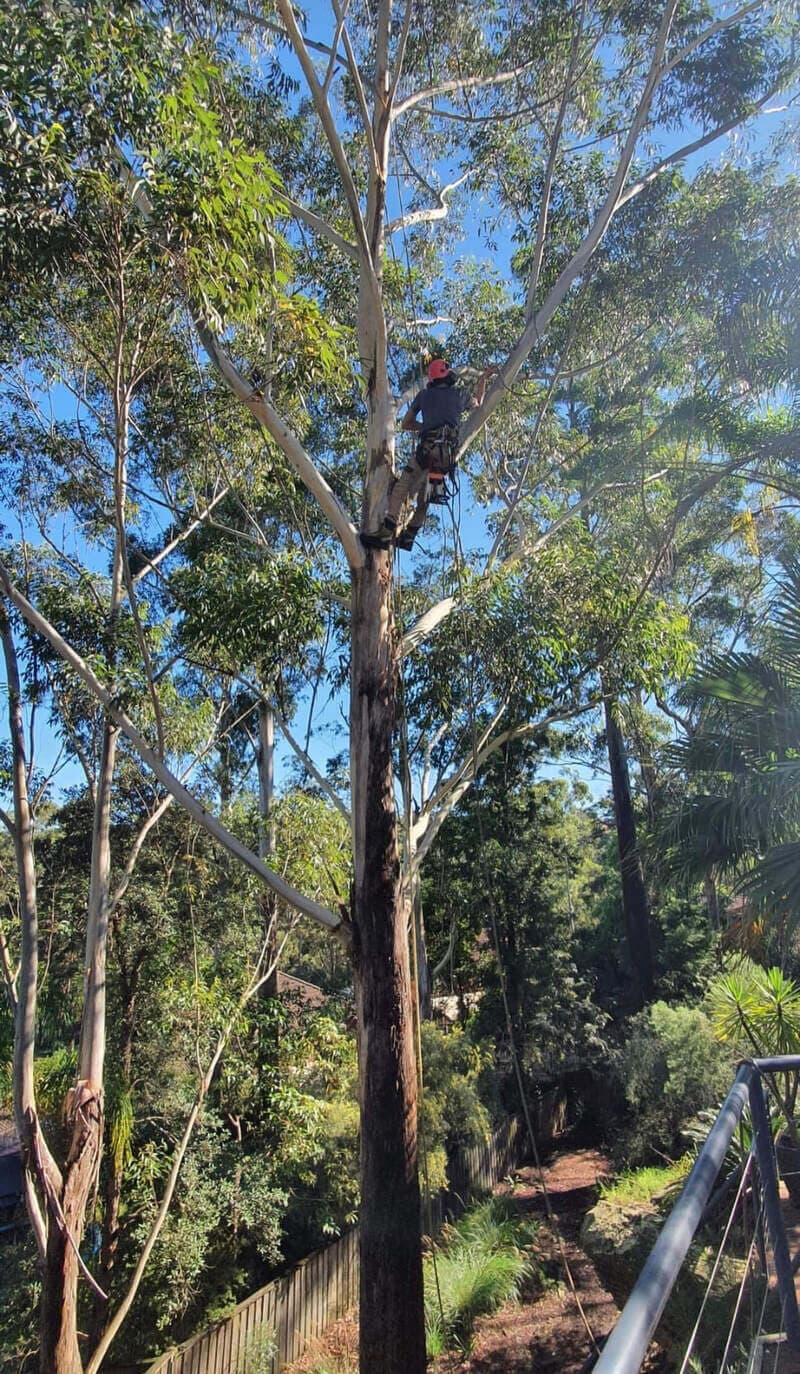
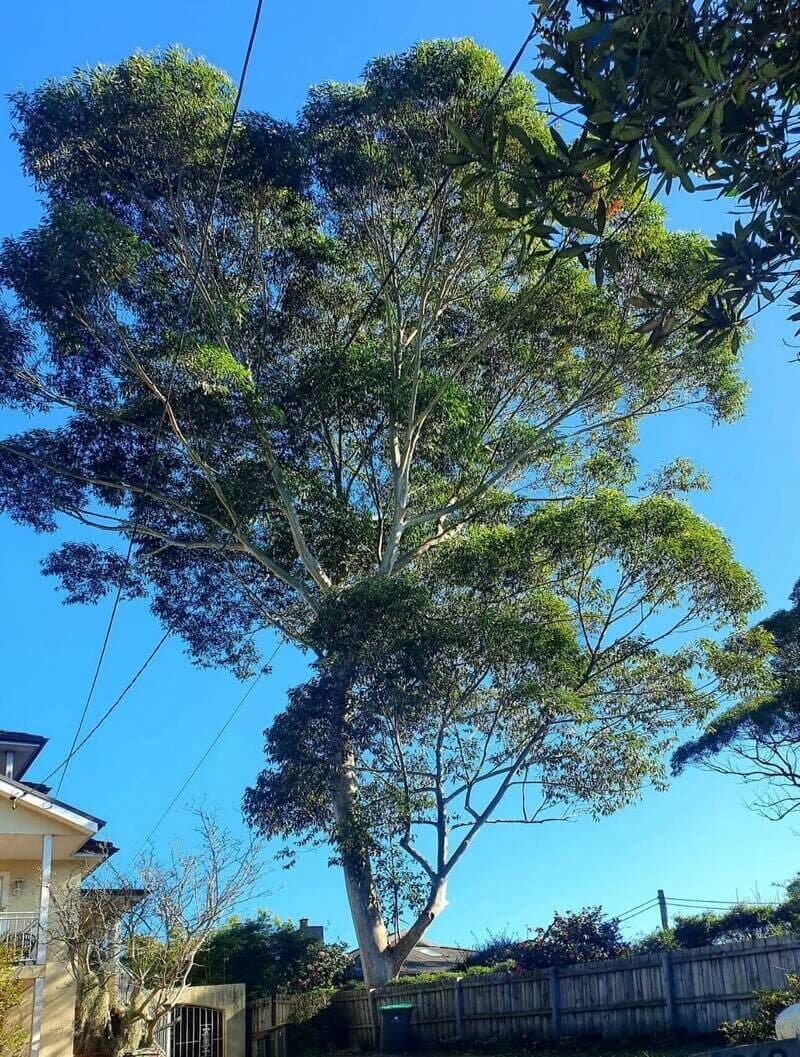
Large eucalyptus with a full canopy beside a house in Sydney

Hornsby Shire runs from suburban streets out to bushland and gully country, and the further out you go the more the vegetation rules tend to matter. A property may have native bush at the back fence, a creek line running through it, or a bushfire prone mapping over it.

Those controls can change whether work needs approval or can proceed at all, so check the address and proposed work first.

Use Hornsby Shire Council's current rules

Council tree controls and application steps change. Use Hornsby Shire Council's own current guidance for the address before you rely on anything here. This is general information to help you ask the right questions, not legal or planning advice, and nobody can promise you an approval.

Say exactly what you want done

Councils treat different amounts of work differently, so the description matters more than the label:

  • taking the whole tree out
  • removing dead, broken or storm-damaged limbs
  • pruning back from a roof, a fence or a boundary
  • reducing the height or spread substantially
  • clearing understorey or a group of trees rather than one
  • grinding a stump left from earlier work

If your plan is somewhere between a prune and a removal, say that. Guessing at the category is how applications come back for more information.

Vegetation, not just the individual tree

This is where a Hornsby property often differs from an inner-suburb one. Alongside the tree provisions, the land itself may carry controls:

  • Native vegetation and bushland. Blocks containing or adjoining bushland can carry additional vegetation provisions covering understorey as well as canopy trees.
  • Riparian land. Creeks, gullies and drainage lines often bring their own requirements.
  • Bushfire prone land. If the address is mapped as bushfire prone, separate clearing entitlements may apply — including the NSW Rural Fire Service 10/50 scheme, which only operates in designated entitlement areas. Check whether the property is in one rather than assuming.
  • Threatened species and habitat. Hollow-bearing trees and habitat features can bring further requirements.
  • Heritage. A heritage listing or conservation area changes the pathway.

A planning certificate for the property is the usual way to see what is attached to it.

Then look at the tree

Species, height, trunk size, canopy spread, condition and position can all be relevant, along with whether the tree stands on your land, a neighbour's, common property or public land.

Do not lean on a threshold from another council or on what someone up the road was allowed to do. Different property, different controls.

Have this ready before you ask

  1. a photo of the whole tree from a distance
  2. closer photos of the problem — the damage, the cavity, the lean, lifted roots
  3. the trunk and the ground around the base
  4. where the tree sits relative to the house, the fence and the boundary
  5. the way into the yard and anything close by
  6. a plain description of what you want done and why
  7. a planning certificate, existing consent or earlier approval

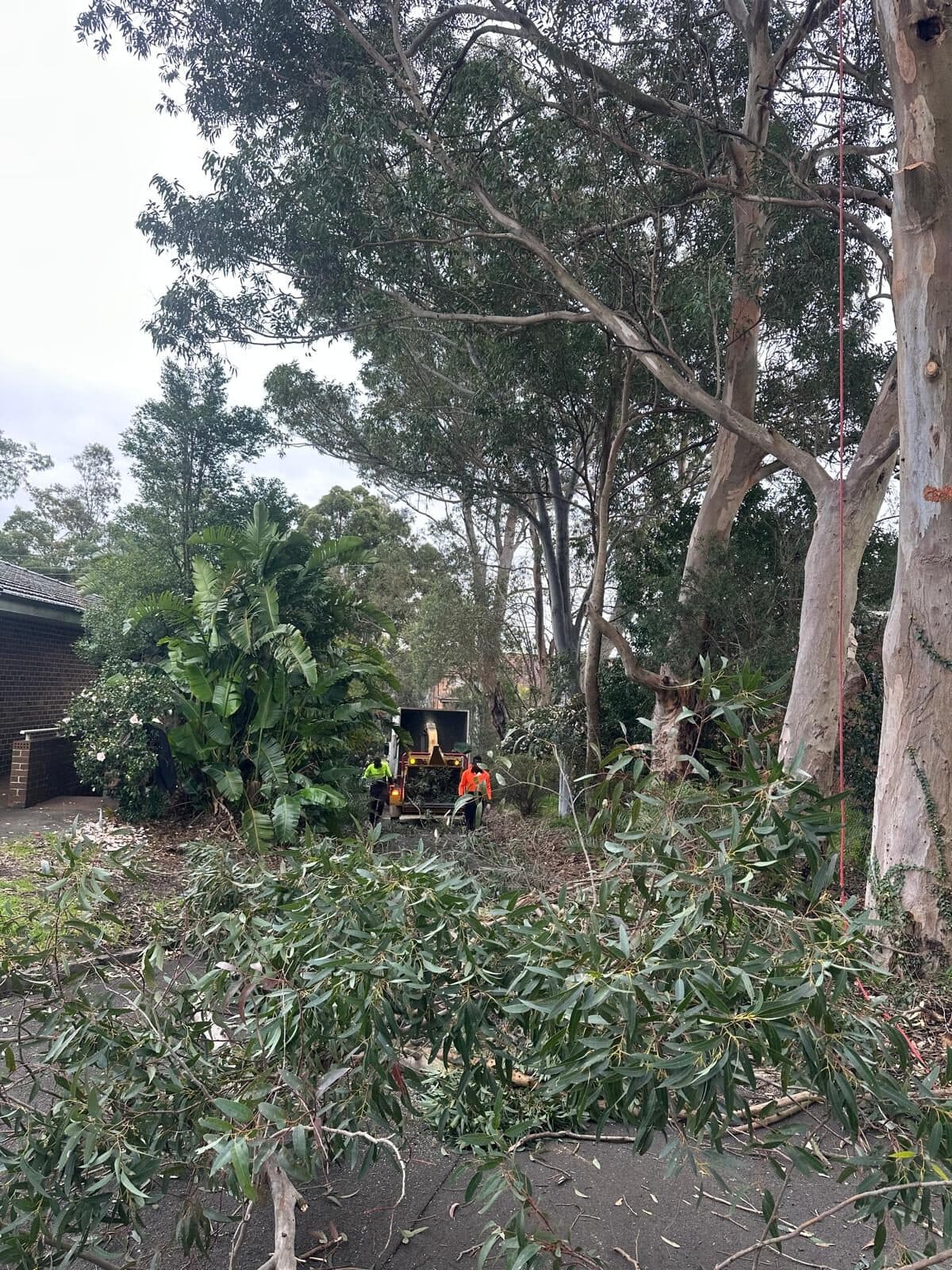
On a bush block, a wide shot showing how much vegetation surrounds the tree is worth adding. It changes how the job has to be planned as well as how it is assessed.

Access is a separate quote question

If the job involves a steep driveway, a long carry from the street, no vehicle access to the rear or a tree surrounded by bush, show that in the photos. Those conditions can change how the work is done and what the quote needs to include.

That is a separate question from council approval, but the photos that help one usually help the other. Show us the way in as well as the tree.

When an independent report comes into it

The council may want an independent arborist report where it needs a professional assessment of the tree, its condition or the justification for removal.

Check the current application requirements first, then arrange the report through a suitably qualified independent arborist. We quote and carry out the tree work; our quote is not an arborist report and it does not decide whether an application succeeds.

Dead, dangerous and storm-damaged trees

Do not assume a damaged tree can come out with nothing recorded. There is generally a process for urgent work, and it is worth knowing what it is before you act.

Keep clear of anything split, hanging or uprooted. Where power lines are involved, contact emergency services or the electricity network first and follow their advice. Take photos from a safe position — the council may want them, and so may your insurer.

Then call and tell us what has happened and what the tree is resting on.

Read the conditions

An approval can limit how much comes off, set requirements for how the site is left, or require replacement planting with a species, a position and a timeframe attached.

Share it when you ask for a final quote so the quoted work matches what has been authorised, and keep it with the property records.

Where to check, officially

Last reviewed August 2026. We check these guides against the official sources whenever they change, and at least once every twelve months.

A practical order to work through

  1. Confirm Hornsby Shire Council covers the address.
  2. Get a planning certificate or check the controls on the property.
  3. Read the council's current tree and vegetation guidance.
  4. Check whether bushland, riparian, bushfire or heritage provisions apply.
  5. Gather photos, including a wide shot of the surrounding vegetation.
  6. Ask which application or exemption process applies.
  7. Arrange any independent report requested.
  8. Get the approval before the work is booked.

Common questions

The tree is in bush at the back of my block. Is that different?

It can be. Native vegetation provisions may cover understorey and groundcover as well as the tree itself, so describe the whole area you want cleared rather than just the one trunk.

Does bushfire prone land let me clear around the house?

Only where an entitlement actually applies. Schemes like 10/50 operate in designated areas with their own rules and limits. Check whether the address qualifies and what the current conditions are before clearing anything.

The tree has hollows in it. Does that matter?

It can. Hollow-bearing trees may bring habitat considerations into the assessment, so include photos of them and mention it up front rather than leaving it to be discovered.

Does your quote count as approval?

No. It sets out the tree work and the price. Where approval is required, that step comes first and it is separate.

How long does it take?

That depends on the current process and the information needed. Check the council's published guidance rather than working to a date somebody guessed at.

What to do next

Check the council requirements for the address, then send us photos of the tree, the surrounding vegetation, the way into the property and anything close by. We will start the quote and tell you if the job needs looking at in person.

Worth a look next:

Share
AA Tree Services Sydney

AA Tree Services Sydney

Sydney tree crew

We do tree removal, pruning, lopping, hedging and stump grinding across Sydney. These guides are what we would tell you standing under the tree.

Got a tree like this?

Tell us what is happening with your tree

If this sounds like the tree you are dealing with, send us photos of it, the way into the yard, and anything close by. They help us understand the job; if we need to see it in person before quoting, we will let you know.