Where a property is a townhouse, a villa or a unit, the first question is not usually "does this need approval". It is "whose tree is it, and who has to say yes".
Sort that out and the rest of the process is straightforward enough.
Council tree controls and application steps change. Use the City of Ryde's own current guidance for the address before you rely on anything here. This is general information to help you ask the right questions, not legal or planning advice, and nobody can promise you an approval.
Whose tree is it?
Work through this before you do anything else.
- A house on its own title. The property owner or an authorised representative makes the request.
- A townhouse, villa or unit. Ask the strata manager or committee whether the tree is common property and what approval the owners corporation requires.
- A rental. Raise the work with the property owner or managing agent before booking anything.
- A street or nature strip tree. Ask the council to confirm ownership and the correct request path.
- A tree on or near the boundary. Confirm ownership, access and any neighbour agreement before arranging the work.
Everything else follows from that answer, so settle it first.
Describe the work, not the label
Different amounts of work sit in different categories, so be specific:
- taking the whole tree out
- removing dead, broken or storm-damaged limbs
- pruning back from a roof, a fence or a boundary
- reducing the height or spread substantially
- clearing more than one tree
- grinding a stump left from earlier work
"Cut it back a bit" means different things to different people. Say how much you want off.
Then check what is attached to the property
Use the address, not the suburb. A planning certificate for the property is the usual way to see the controls on it. Look for:
- tree and vegetation provisions in the local planning controls
- heritage listings and conservation areas
- riparian or environmental zoning near the Parramatta River and its creeks
- bushfire prone land mapping
- existing development consents and their conditions
- easements and anything registered on the title
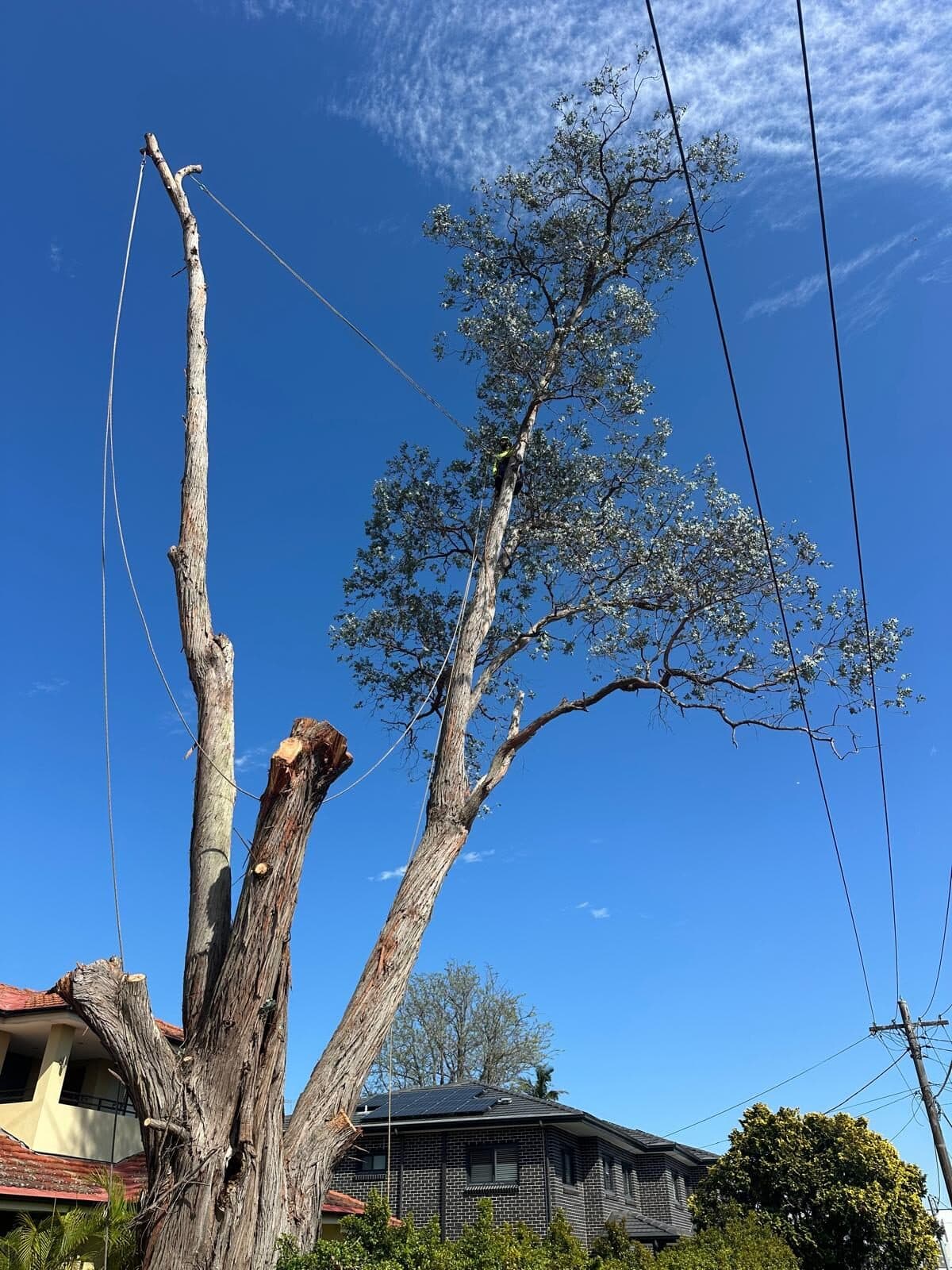
Then look at the tree itself — species, height, trunk size, canopy spread, condition, and where it stands relative to buildings and boundaries.
Renovations, extensions and the order of things
If a tree stands where an extension, a pool, a secondary dwelling, a driveway or a new build is going, the trees are usually assessed with that application rather than as a separate tree request.
Taking the tree out first, assuming the rest will be approved, is the wrong way round. And if there is already a consent on the property, read what it says about trees — retention, protection during construction and replacement planting are all common conditions.
Have this ready before you ask
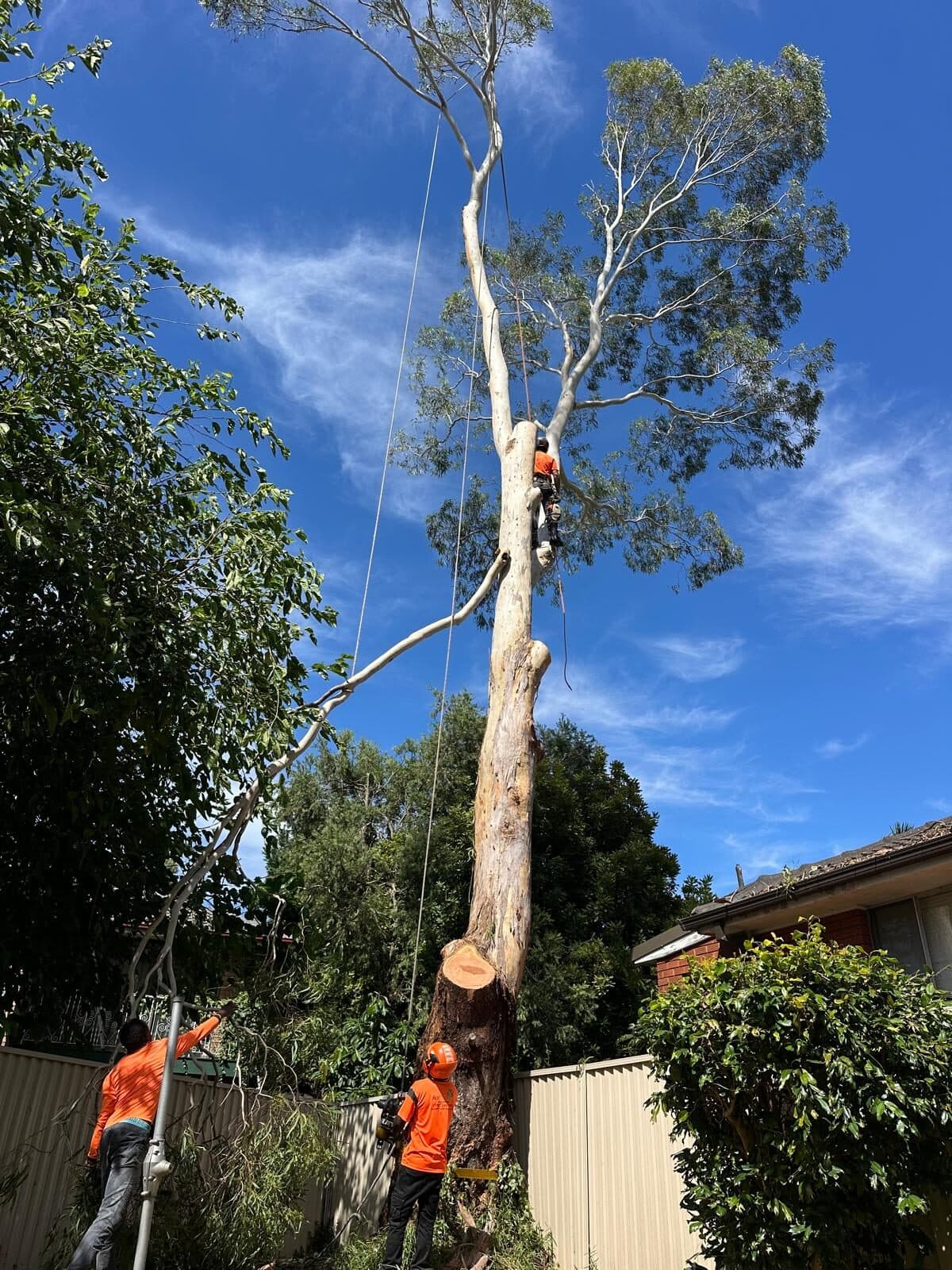
- a photo of the whole tree from a distance
- closer photos of the problem — damage, decay, a lean, lifted roots or paving
- the trunk and the ground around the base
- where the tree sits relative to the house, the fence and the boundary
- the way into the yard and anything close by
- a plain description of what you want done and why
- a planning certificate, consent or strata approval if you have one
Photos get a quote moving. They do not always settle the condition of a tree, and we will tell you if we need a closer look before pricing it.
Where an independent report fits
The council may ask for an independent arborist report where it wants a professional assessment of the tree or the reason for the work, which is more likely on a large established tree or where building work is involved.
Check the current requirements first, then arrange the report through a suitably qualified independent arborist. We quote and carry out tree work — our quote is not an arborist report, and it does not decide an application.
Access on a townhouse or villa site
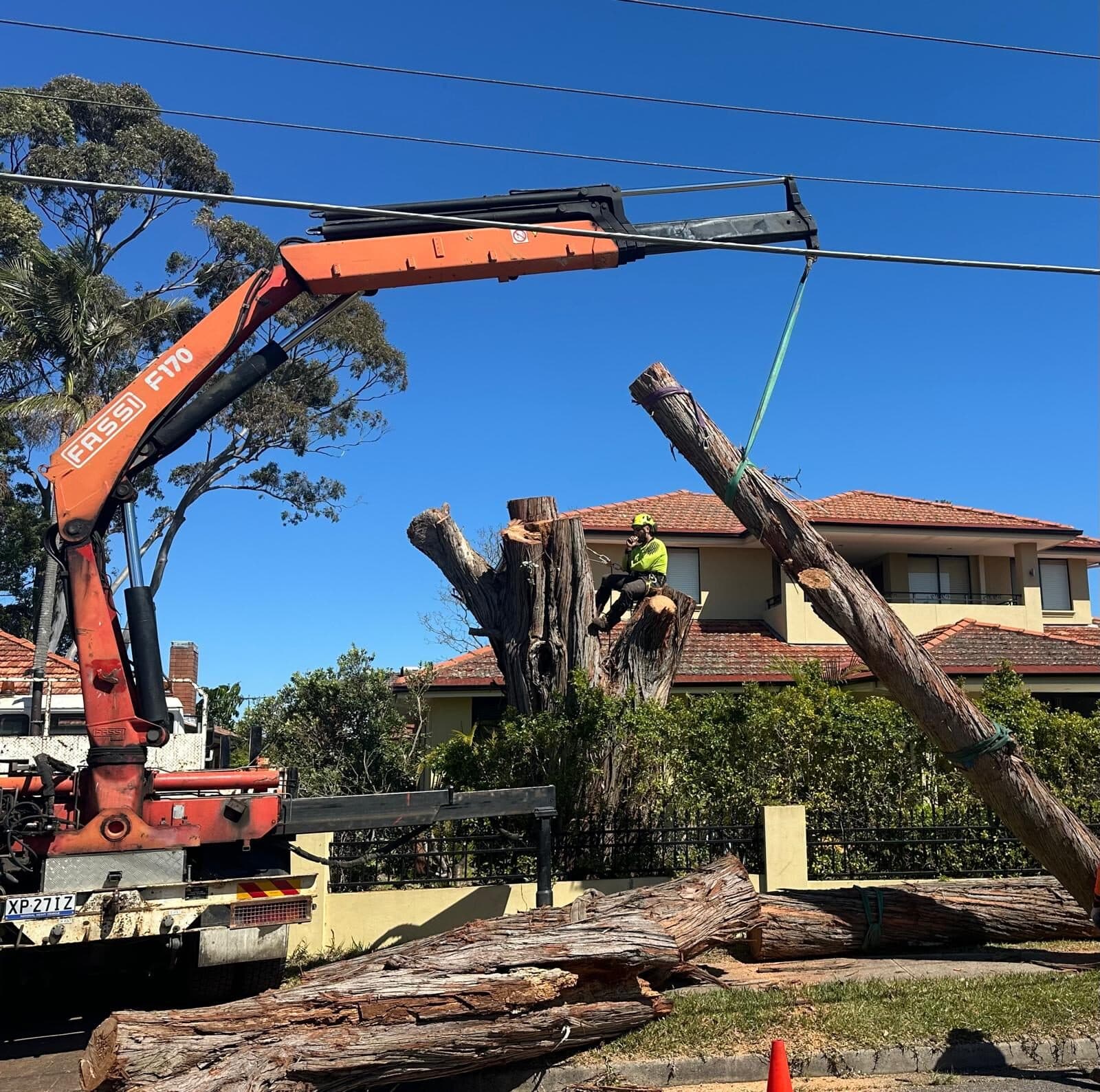
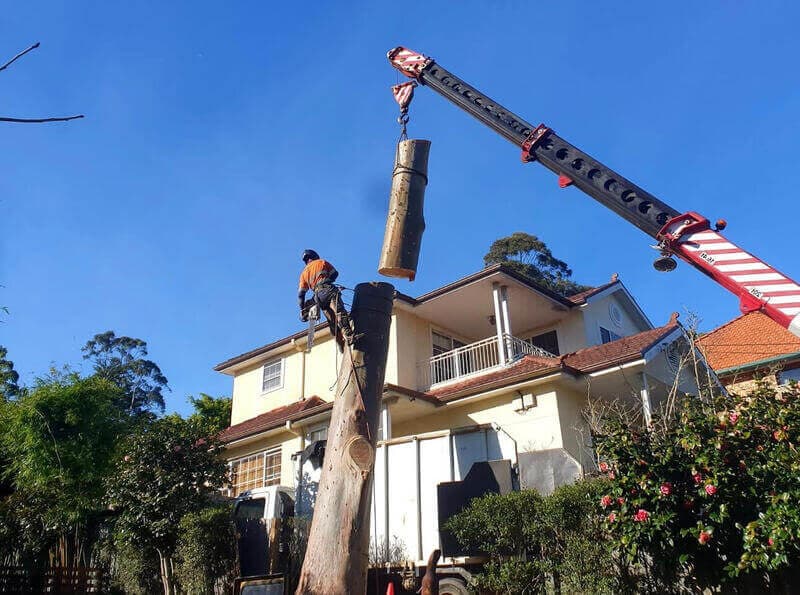
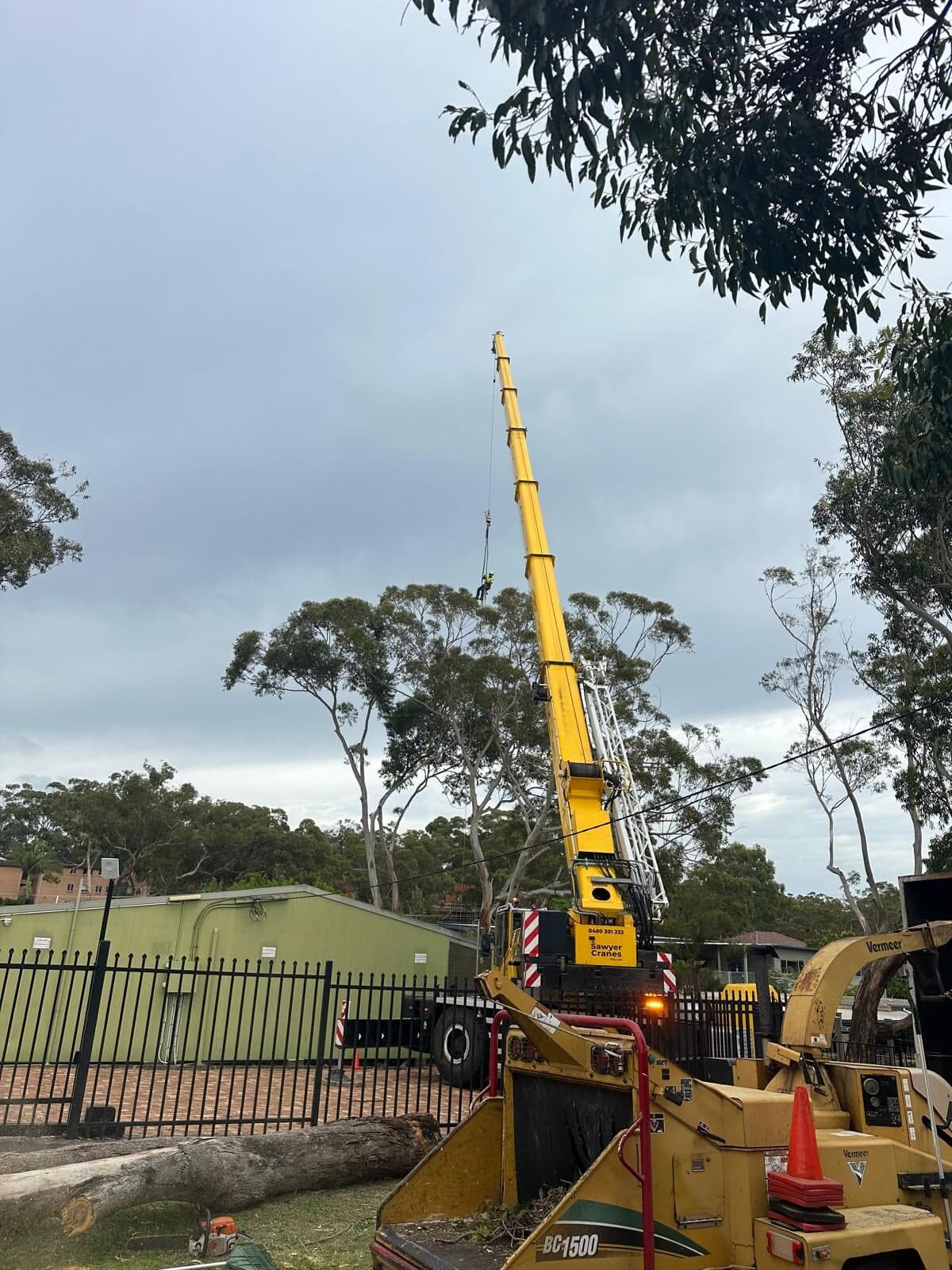
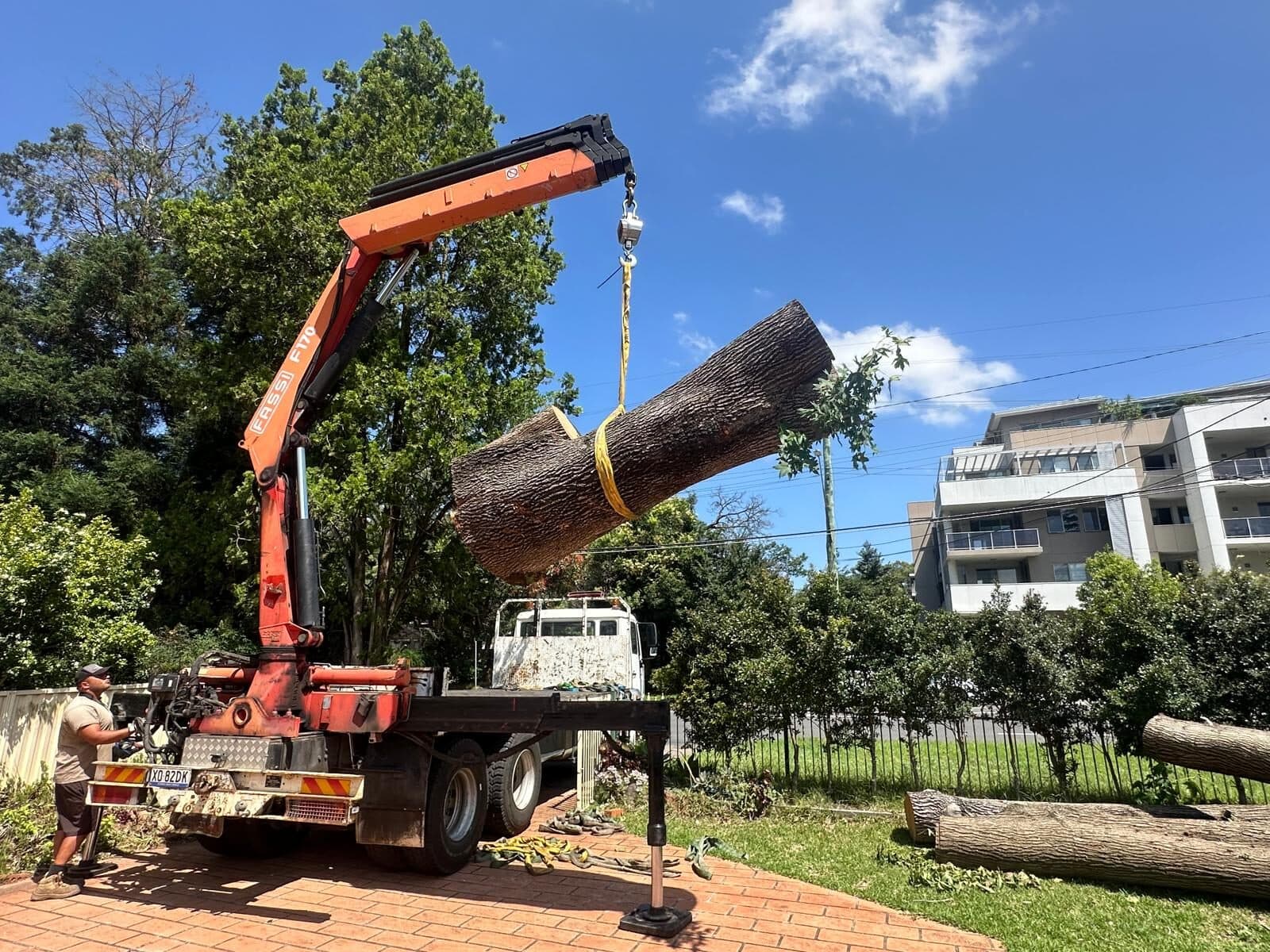
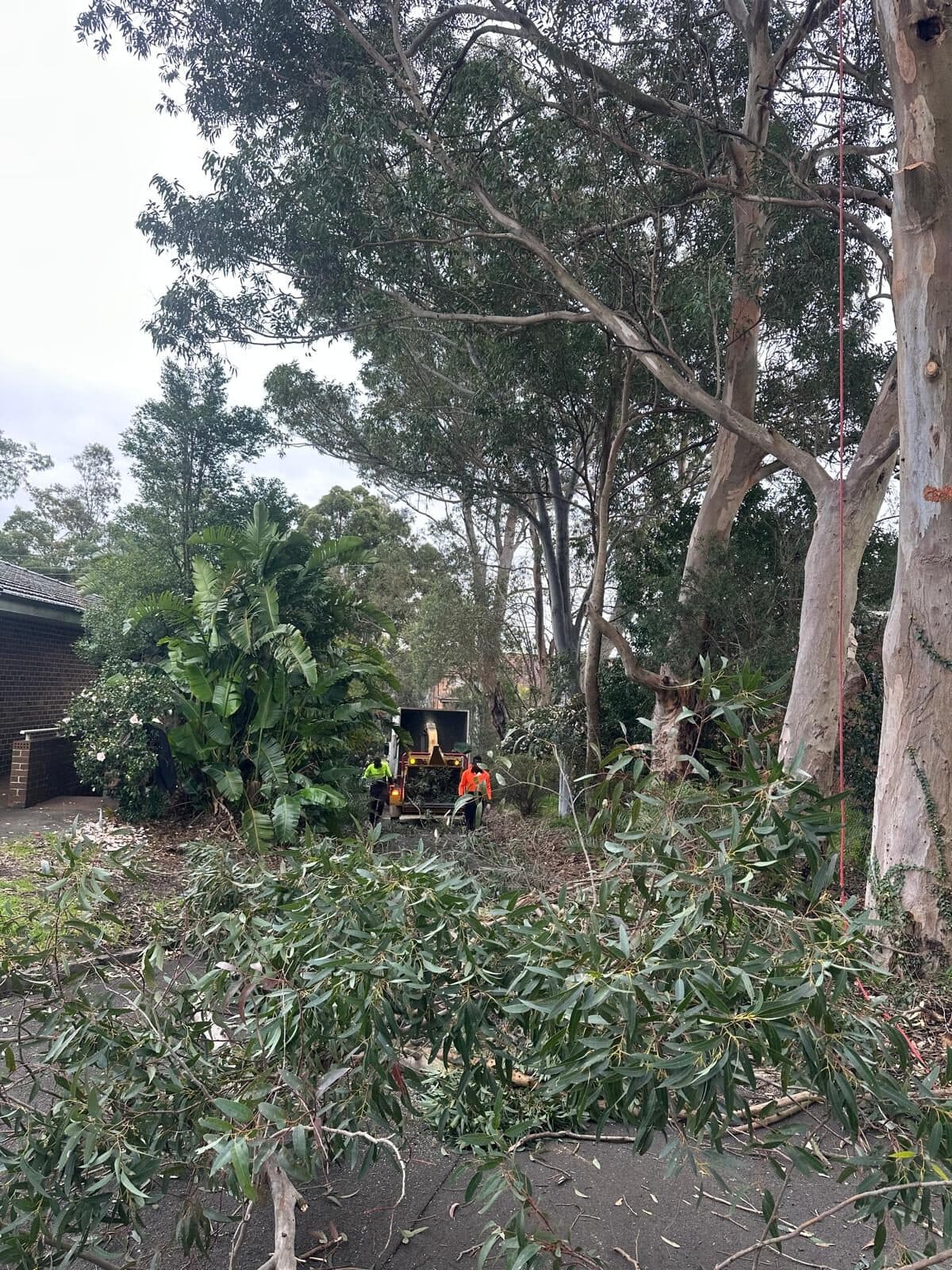
Worth thinking about early, because it changes the job as much as the tree does. Shared driveways, visitor parking, narrow paths between buildings, residents needing to get in and out, and other trades on site all affect how the work has to be planned.
If the tree is on a strata site, tell us about the access and who the on-site contact is when you ask for the quote.
Read the conditions
An approval can limit what comes off, set requirements for how the site is left, or require replacement planting with a species, a location and a timeframe.
Share it when you ask for a final quote so the quoted work matches what has been authorised. On a strata property, keep it with the building records.
Where to check, officially
- City of Ryde (opens in new tab) — current tree-application guidance and fees
- City of Ryde exempt-work guidance (opens in new tab) — current examples of exempt tree and vegetation work
- The NSW Planning Portal Spatial Viewer (opens in new tab) — to check the planning layers shown for an address
- The NSW legislation website (opens in new tab) — for the current state planning instrument covering biodiversity and conservation
- Your owners corporation or strata manager — where the tree is on common property
Last reviewed August 2026. We check these guides against the official sources whenever they change, and at least once every twelve months.
A practical order to work through
- Confirm the City of Ryde covers the address.
- Work out who owns the tree and who has to agree to the work.
- Get a planning certificate or check the controls on the property.
- Read the council's current tree and vegetation guidance.
- Gather photos and write down exactly what you want done.
- Ask which application or exemption process applies.
- Arrange any independent report requested.
- Get the approval before the work is booked.
Common questions
The tree is right against my townhouse but in the common garden. Who deals with it?
Raise it with the strata manager or committee so they can confirm whether it is common property and what approval is needed before the council step.
The neighbour's tree drops everything into my pool. What can I do?
Talk to them first. Confirm ownership, access and any neighbour agreement, then check the council requirement for the proposed work.
Roots have lifted my driveway. Is that enough on its own?
Photograph the damage and explain how the tree is involved. The council may ask for more information, or ask whether something short of removal would resolve it.
Does your quote count as approval?
No. A quote sets out the tree work and the price. Where approval is required, that is a separate step and it comes first.
How long does the council take?
That depends on the current process and what information it needs. Use the council's published guidance rather than planning around a date somebody guessed at.
What to do next
Work out who owns the tree, check the council requirements for the address, then send us photos of the tree, the way in and anything close by. We will start the quote and tell you if we need to see the job first.
Worth a look next: