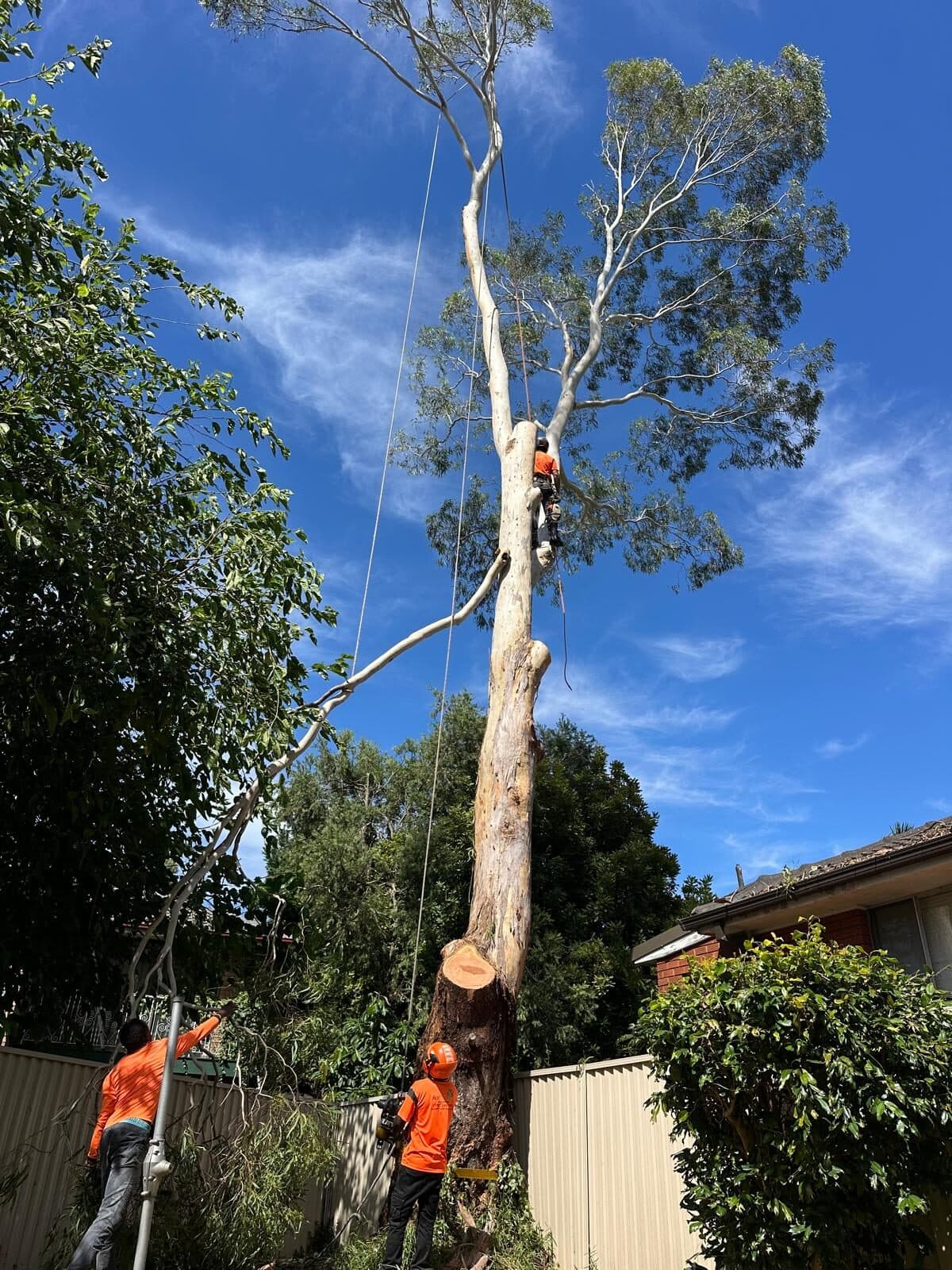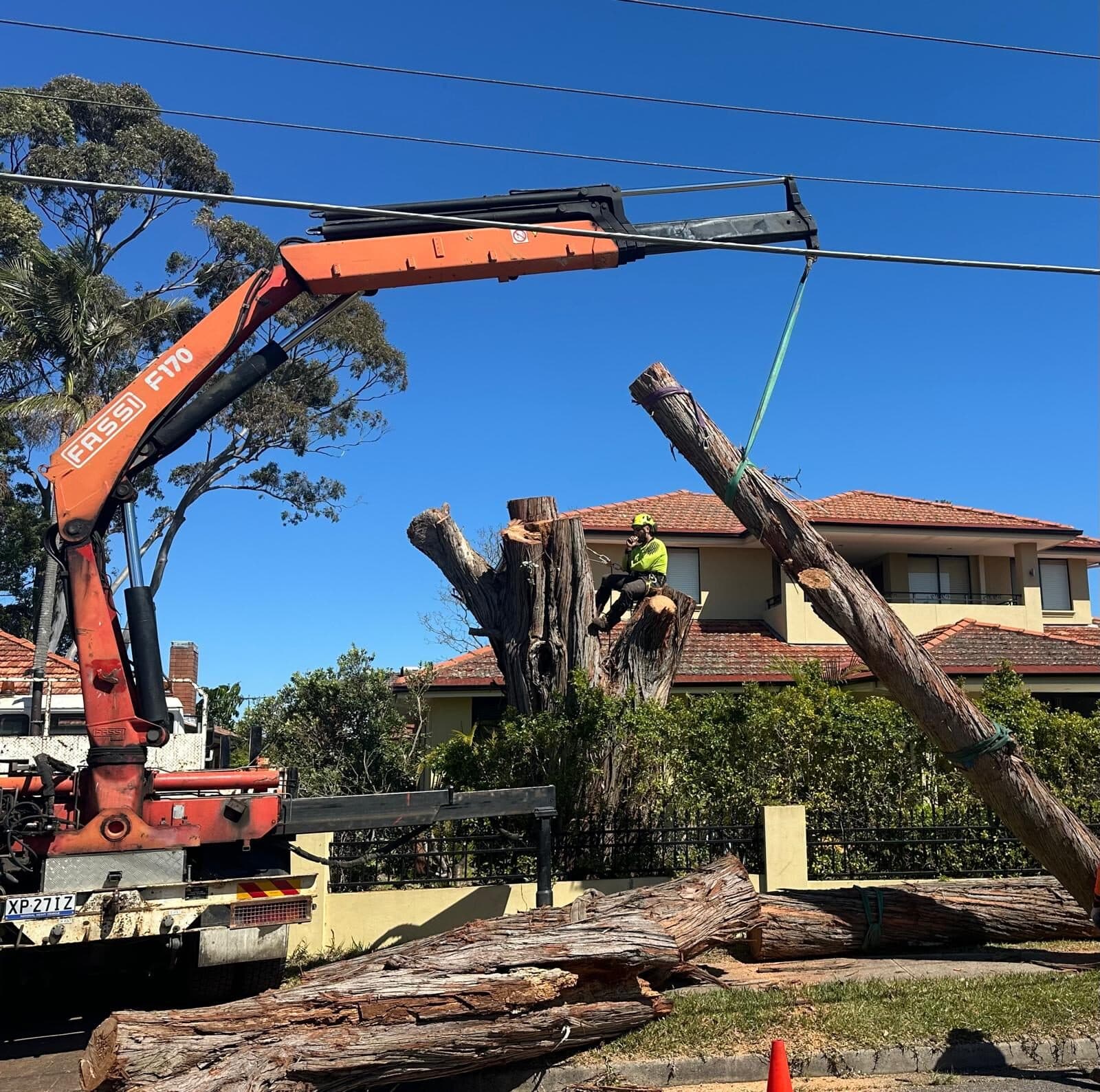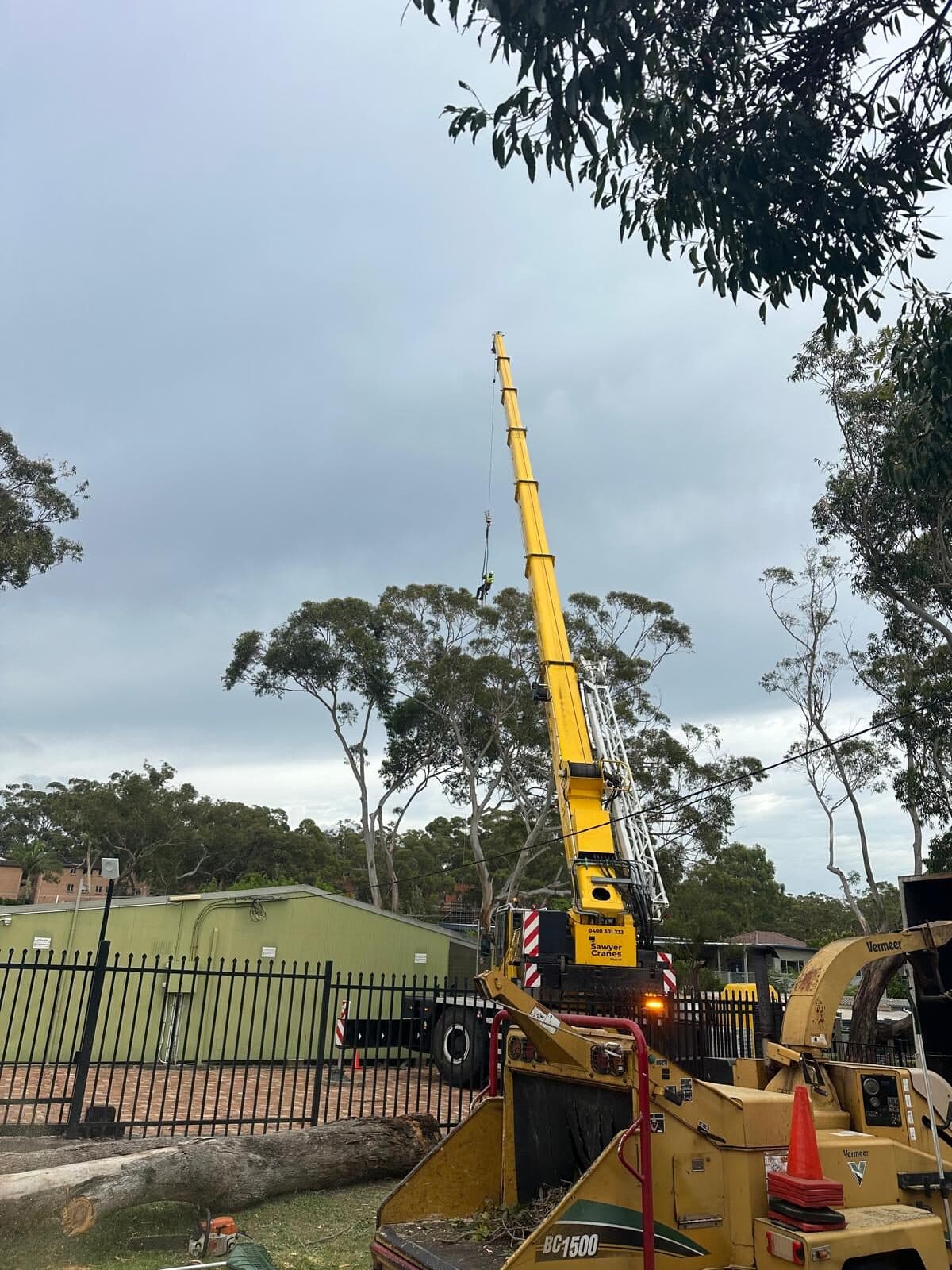
Light pruning of small, easily reached growth may be manageable from stable ground with suitable hand tools. Work involving height, heavy branches, unstable trees, powered cutting or nearby power lines is a different risk and should not be treated as an ordinary garden task.
The boundary is the hazard and your competence, not simply the tree's height or whether you own a saw.
Recognise where a small job becomes hazardous
| Situation | Why it changes the decision |
|---|---|
| You need a ladder or must climb | Balance, reach and falling material can interact; a ladder does not provide a safe tree-work system. |
| A branch is heavy or under tension | It may split, swing or spring unexpectedly when cut. |
| Buildings, vehicles or people are nearby | The direction and size of falling material must be controlled. |
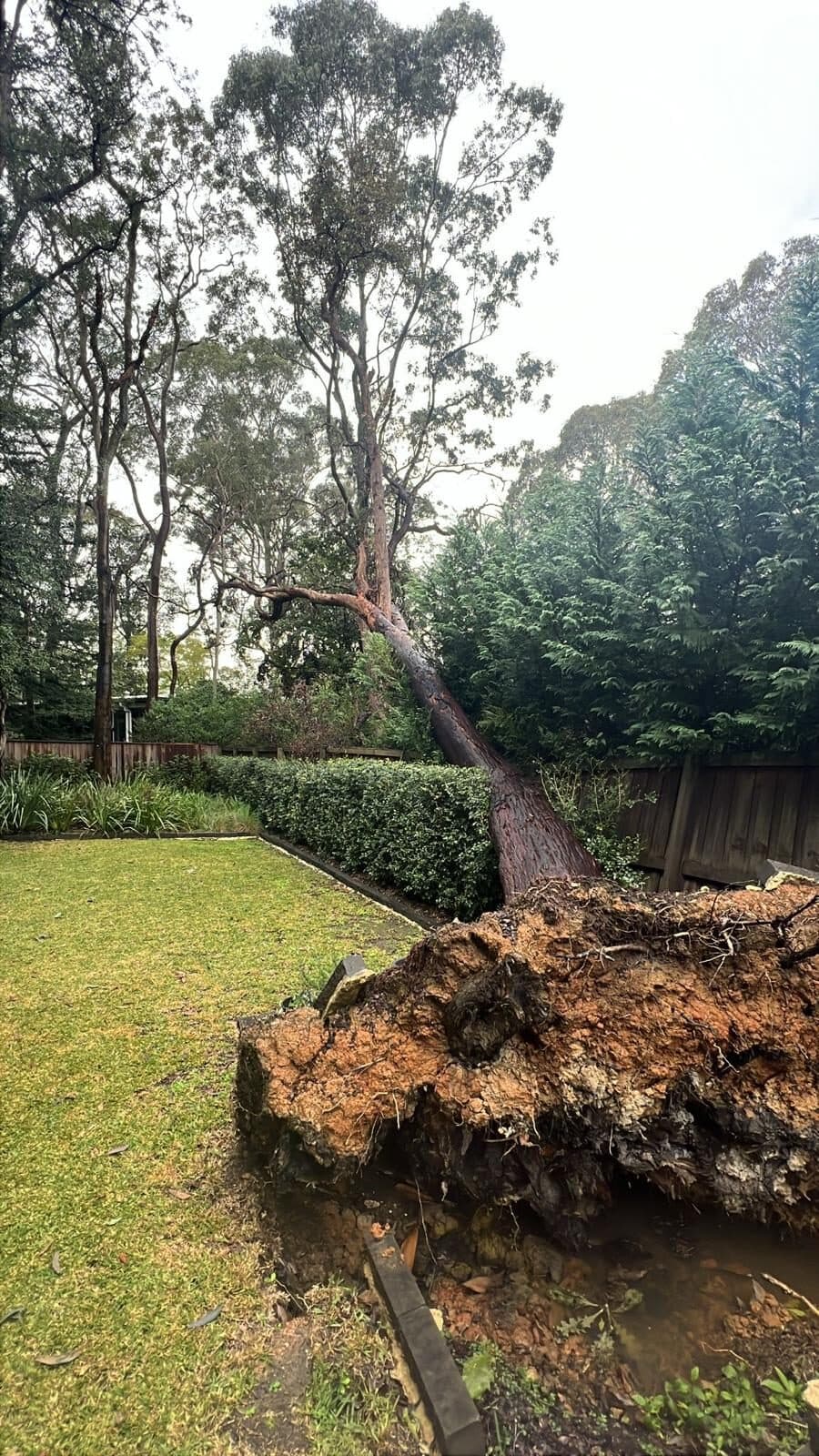
| A tree is leaning, split or storm-damaged | Its stability cannot be assumed from the ground. |
| Power lines are present | Contact and electrical arcing risks require the network's advice and an authorised pathway. |
SafeWork NSW's arborist-work guidance (opens in new tab) identifies falls, falling objects, equipment and electricity among the major hazards. Protective equipment alone does not control them.
Keep ground-level tasks genuinely small
Before light hand pruning, identify the plant and confirm that the intended cuts are appropriate. Stay on stable ground, keep others clear and stop if the branch cannot be managed safely with the tools and skills you have.
Do not pull down lodged branches, cut a tensioned limb or stand beneath damaged timber to inspect it. A pole tool's extra reach does not make overhead heavy work safe. If the task changes as branches are exposed, reassess rather than continuing because you have already started.
What professional tree work adds
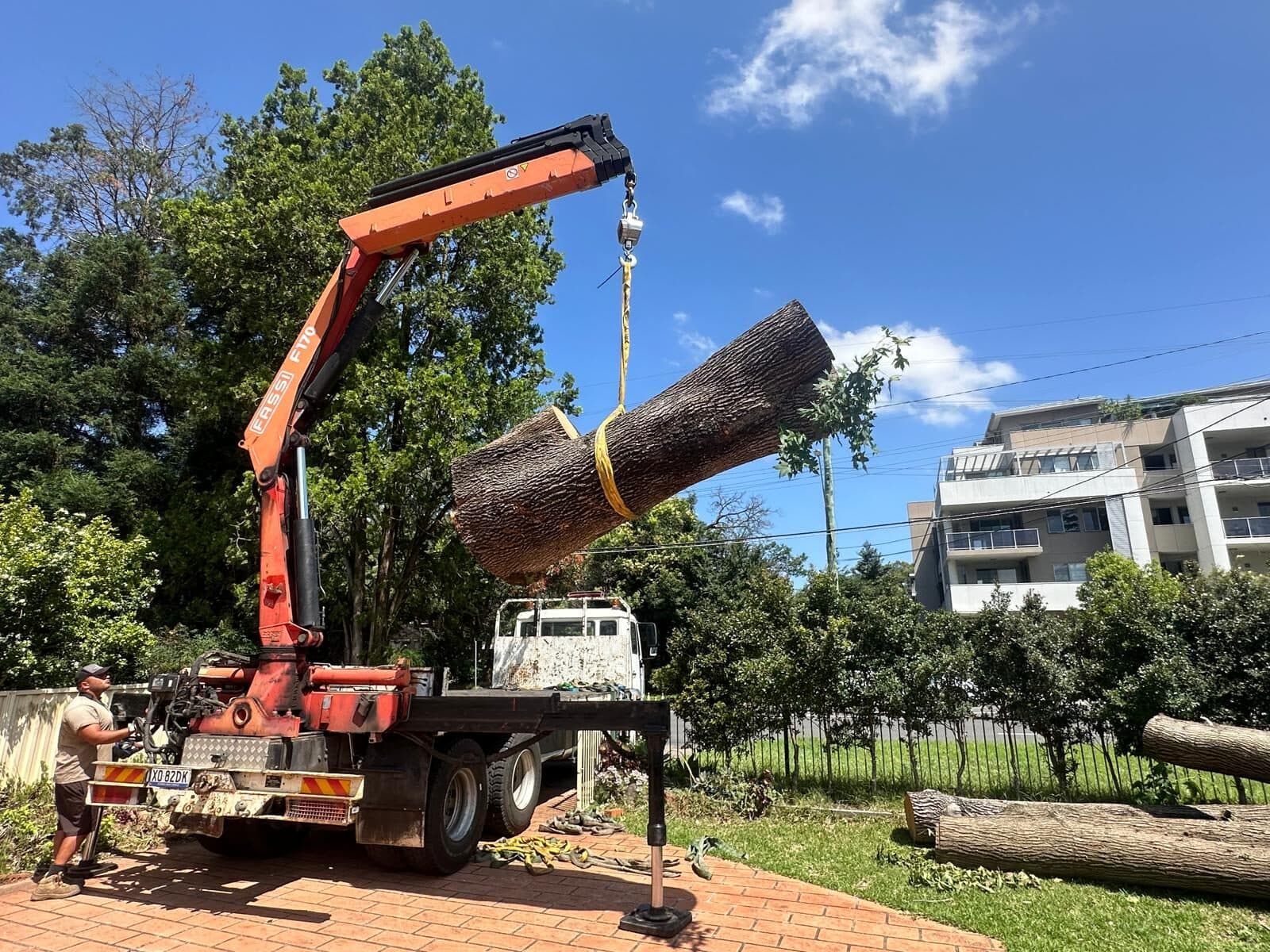
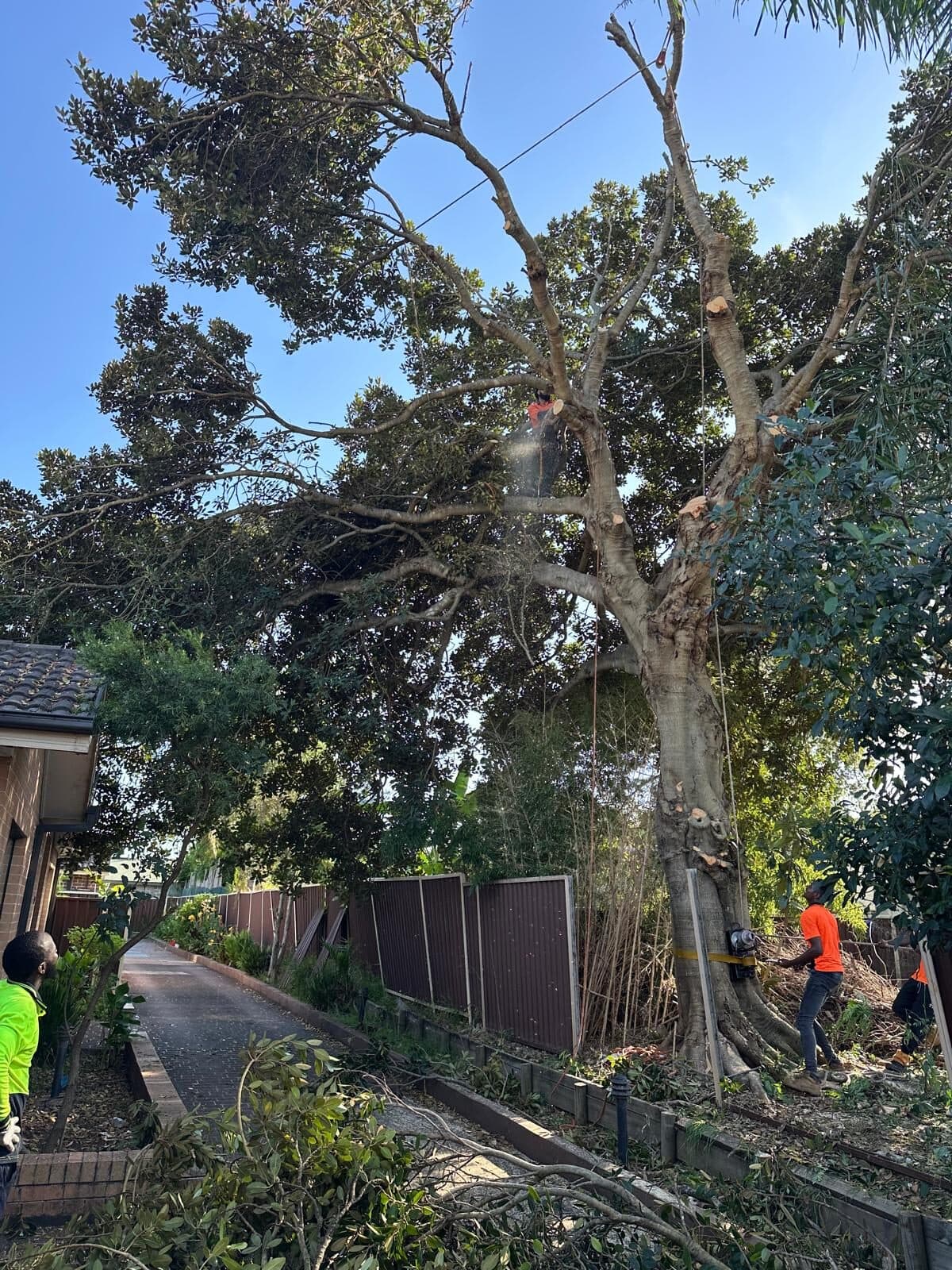
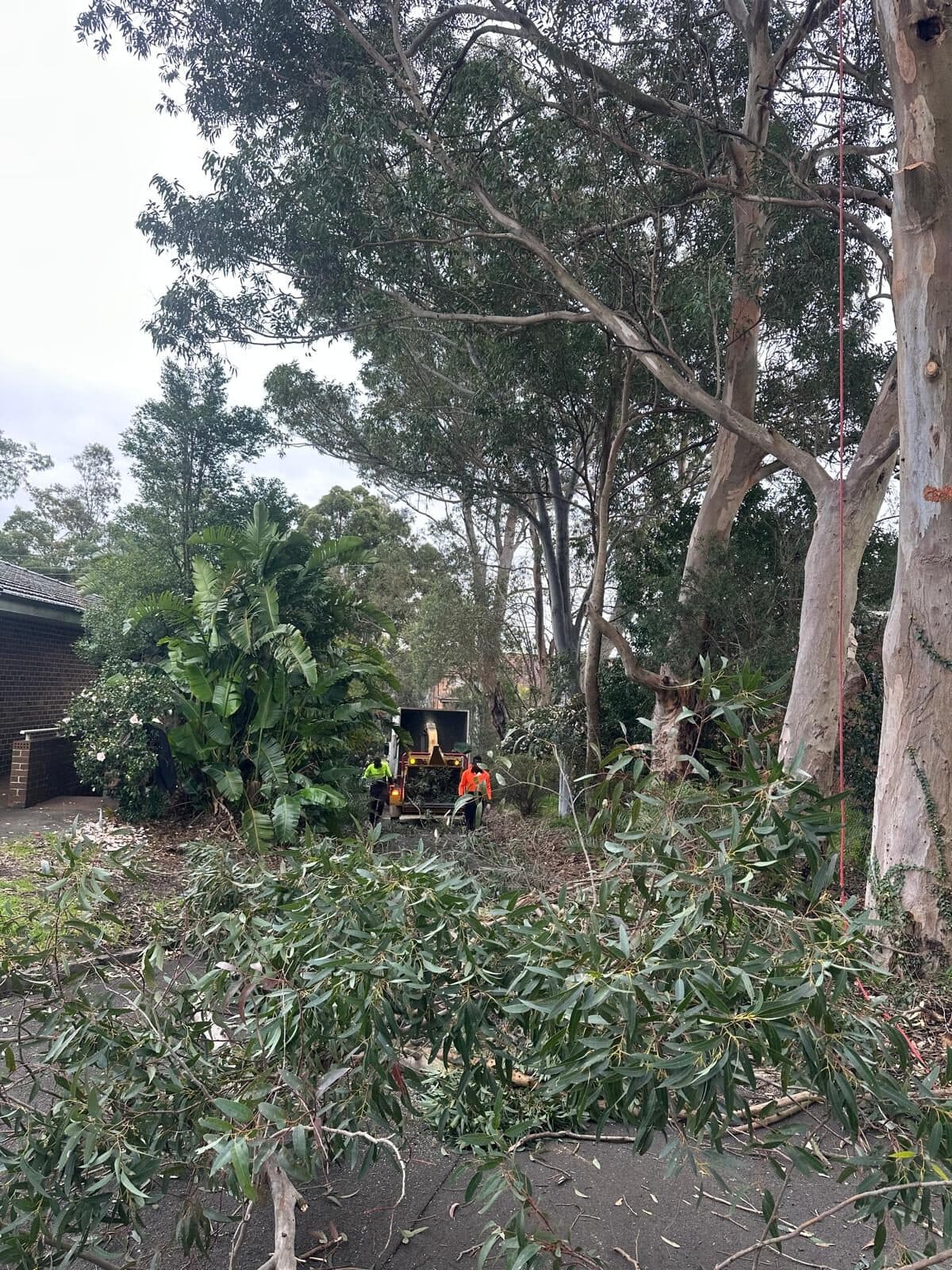
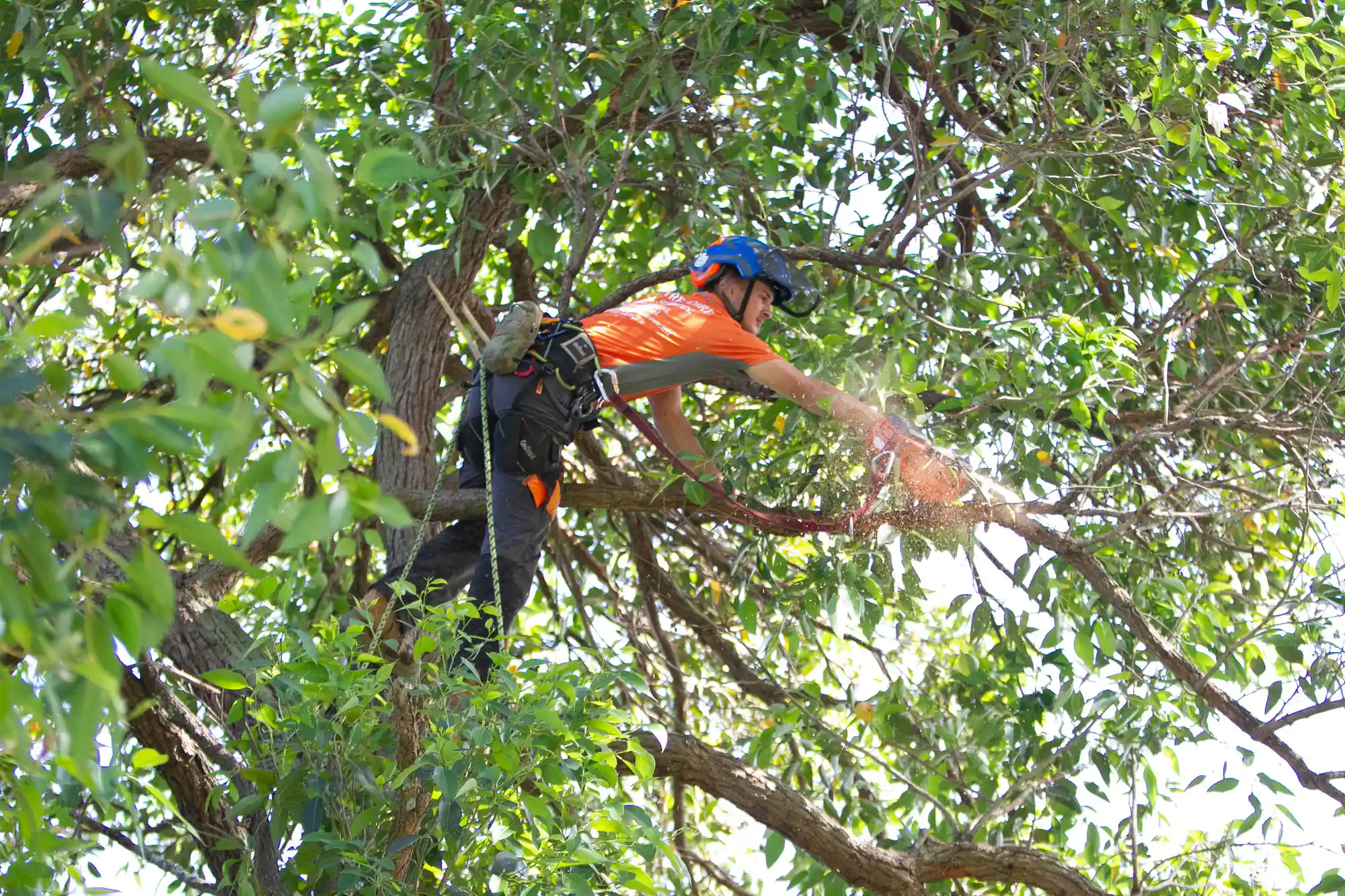
Professional work requires a method suited to the tree and surrounding property. That can include climbing systems, controlled lowering, mechanical lifting and an exclusion area for the crew and public. Equipment suitability is only one part of the decision.
AA's team includes an AQF Level 3-qualified arborist with more than 15 years' tree-work experience. AA holds $20 million public liability insurance covering its advertised tree work. Independent consulting reports and electricity-network clearance are separate from AA's ordinary pruning and removal services.
For selected branches and canopy work, see tree pruning. For a tree that cannot appropriately remain, see tree removal.
Check permissions and ownership
Private ownership does not make all pruning exempt. Council, heritage and development controls can apply to small trees and retained branches. Use the Sydney council guide before relying on an exemption.
For a boundary tree or shared garden, establish ownership and consent. Council permission does not grant access to a neighbour's land. If insurance is relevant, ask your insurer what the policy covers; do not assume either DIY or professional work automatically settles a claim.
After storm damage
Keep away from unstable trees, suspended branches and electrical hazards. Call 000 for immediate life-threatening danger and NSW SES on 132 500 for emergency storm assistance. Do not delay help to collect photographs.
Once the immediate hazard is managed, an assessment can distinguish limited branch work from a more substantial problem. The storm-damage guide explains the next steps without treating visible damage as a diagnosis.
Common questions
Originally published .

AA Tree Services Sydney
Tree services in Sydney
Our team includes an AQF Level 3-qualified arborist with more than 15 years of tree-work experience. We provide tree removal, pruning, lopping, tall hedge trimming and stump grinding for homes, strata and commercial properties across Sydney, and write these guides from that work.
About AA Tree Services